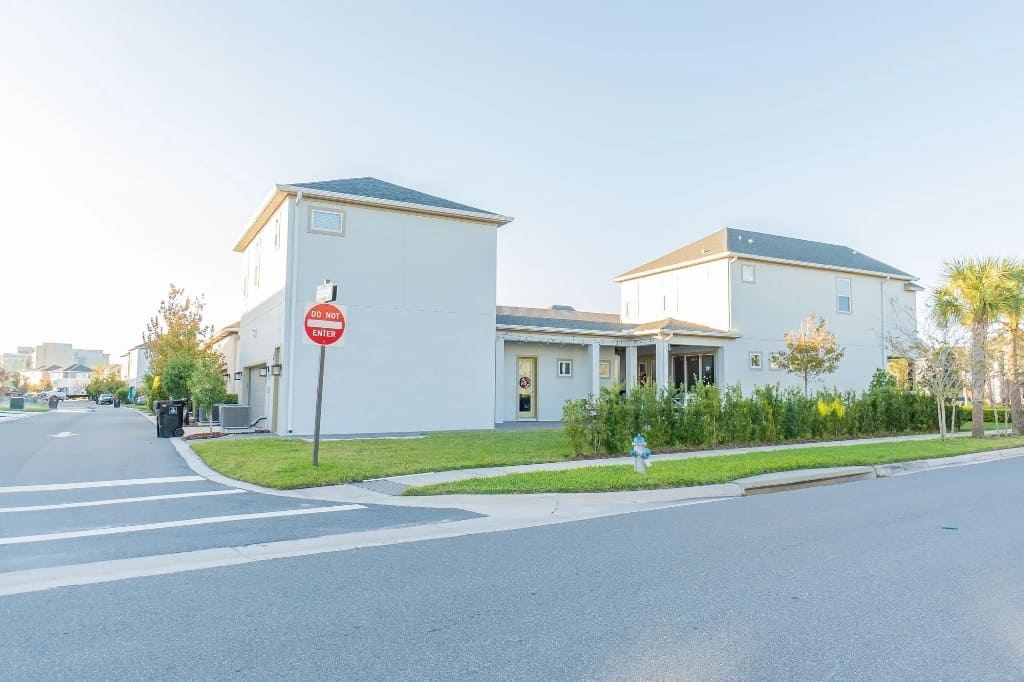
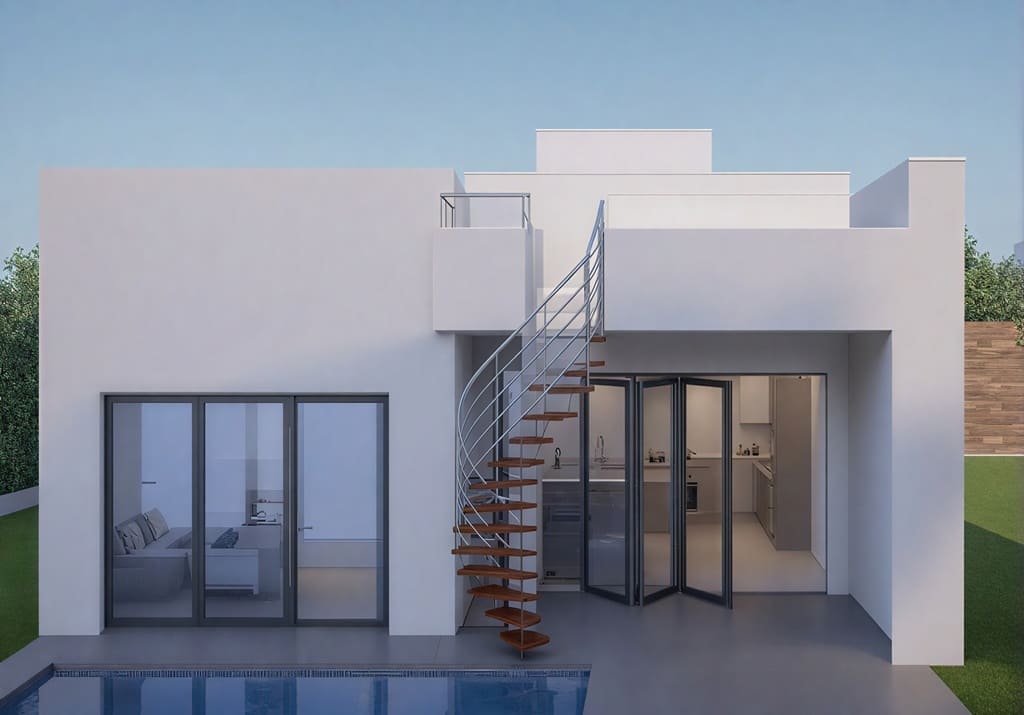
Texas has no statewide ADU law, so a Texas ADU permit comes from your city’s building department, and whether you can apply at all depends on local zoning and your property’s private deed restrictions. A 2025 bill that would have set statewide rules, SB 673, passed the Senate and died in the House. The practical result: Austin allows ADUs on most single-family lots, Houston allows them unless your deed says no, San Antonio requires you to live on site, and Dallas does not allow them by right.
This guide reflects city and state sources checked in October 2026. Rules change by ordinance, so confirm with your city before you pay for plans.
Texas ADU permit requirements by city
| City | Can you build one? | Size and parking | Owner on site? | Where you apply |
|---|---|---|---|---|
| Austin | Yes, on SF-1, SF-2 and SF-3 lots of 5,750 sq ft or more | Size depends on zoning district and location; no minimum parking since 2023 | Not required by the city | Austin Build + Connect |
| Houston | Yes on single-family lots, unless deed restrictions prohibit it | Detached unit up to 1,500 sq ft; no extra parking at 1,000 sq ft or less, one space above that | Not required by the city | Houston Permitting Center (iPermits) |
| San Antonio | Yes in most residential districts | 800 sq ft or 50% of the main house, whichever is larger, up to 1,600; parking only above 800 sq ft | Required, with a recorded affidavit | BuildSA |
| Dallas | Not by right. Needs an ADU overlay or a Board of Adjustment special exception | Greater of 700 sq ft or 25% of the main house; one off-street space | Owner must live on site while renting | Board of Adjustment first, then a building permit |
Sources: Austin, San Antonio and Dallas Code 51A-4.510 are city documents. Austin’s parking and owner-occupancy entries, Houston’s size, parking and owner-occupancy entries, and Dallas’s size, parking and owner-occupancy figures come from a secondary summary; verify them with each city. For Fort Worth, see our Fort Worth ADU guide.
Austin lot size. The city’s HOME reforms allow one unit on lots of 1,800 to 5,750 sq ft, but two or three units still require 5,750 sq ft. A lot under 5,750 sq ft therefore can’t add an ADU. The city’s HOME page lays this out.
City-specific detail lives in our guides for Austin, Houston and Dallas. Check your lot with the Zoning Information Lookup first.
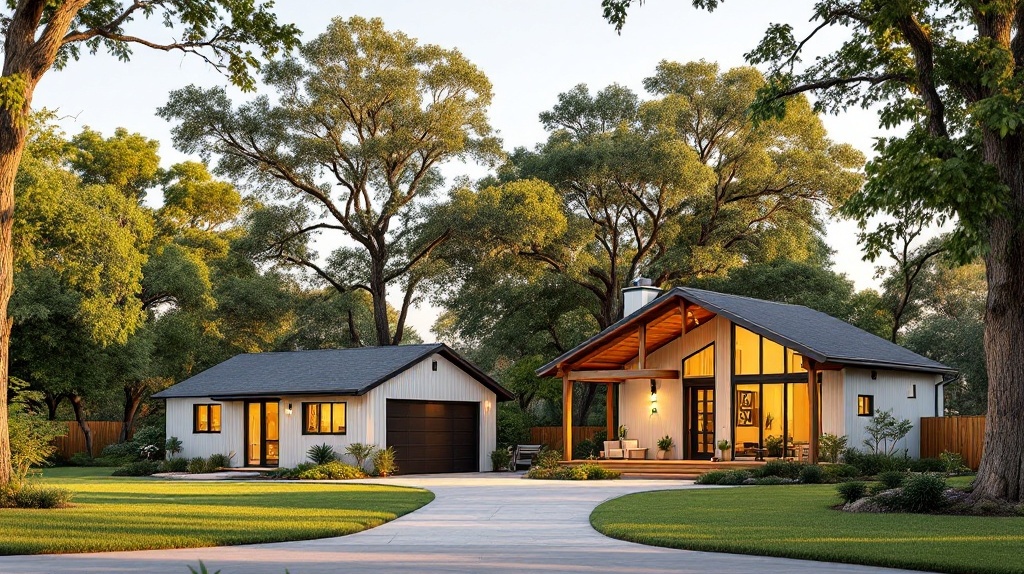
Check deed restrictions before anything else
City approval does not override private covenants. Houston says it cannot override active deed restrictions, and it requires an owner-signed deed restriction declaration with most building permit applications. The form is checked against county appraisal records, and a false statement lets the city void your permit. Austin puts the burden on the applicant too.
Pull your recorded plat and restrictions from the county clerk, and read any HOA covenants. Many older Houston neighborhoods ban second dwellings. See can an HOA stop an ADU for how enforcement works.
How to get an ADU permit in Texas, step by step
- Confirm the pathway. Is the ADU allowed by right (Austin, Houston, San Antonio) or does it need a hearing (Dallas)? Dallas homeowners can petition for an overlay, which needs support from more than half of owners in an area, or ask the Board of Adjustment for a special exception.
- Clear deed restrictions and any HOA review. Do this before paying a designer.
- Handle addresses and utilities. Austin requires a unique address for the new unit before you apply, and meters, taps and fees vary by utility. See utility hookup laws and sewer connection costs.
- Prepare plans. Plans need a site plan, structural and foundation details, and utility information. Our site plan and permit checklist guides list what reviewers look for. Ask whether your city offers pre-approved ADU plans.
- Submit and pay plan review fees. Austin and San Antonio use the portals above; in Austin, permit fees come after approval. In San Antonio, include proof the owner-occupancy affidavit was recorded in Bexar County.
- Answer corrections quickly. A correction letter is normal, and most rejections come from missing documents. See why ADU permits get rejected.
- Activate the permit and pass inspections. Austin permits expire on day 181 if no inspection is scheduled, and each passed inspection extends them 180 days. A certificate of occupancy is required before anyone lives in the unit.
If your city is slow. Under House Bill 14 (2023), a city that misses a state review deadline by 15 days lets you hire a qualified third-party reviewer instead. The bill analysis explains the process and eligible reviewers. Which deadline applies depends on the document, so ask your building department first. Houston also runs a 30-day residential permitting program; confirm that your project qualifies.
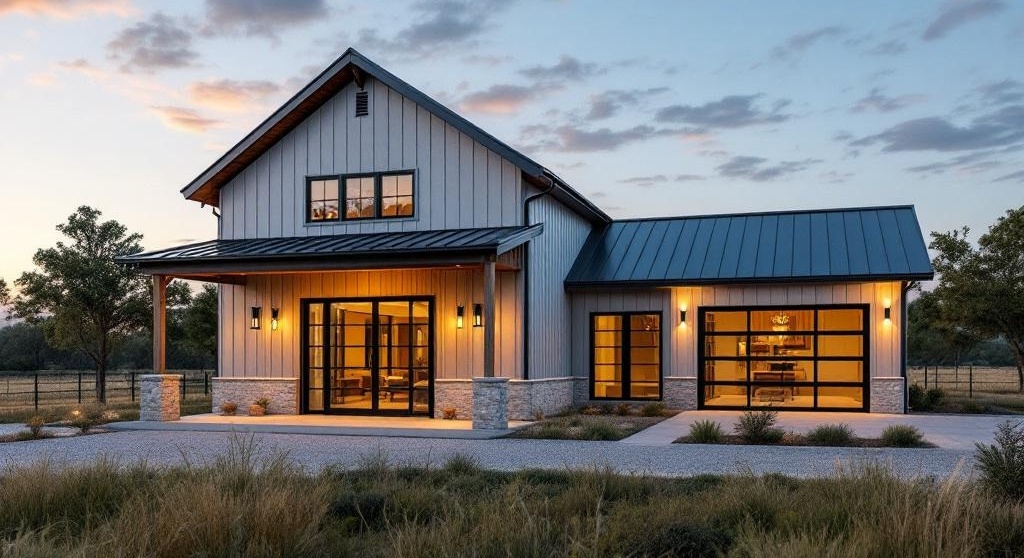
Texas engineering and site conditions
Texas site conditions add engineering work that other states don’t, but the requirements depend on your city and parcel, so treat the points below as questions for your building department.
- Foundation. Expansive clay soil is common in North and Central Texas, and slabs on it are typically engineered. Ask whether your city requires an engineer-sealed foundation plan or a soil report, and get a quote before you budget, since costs depend on the soil and design.
- Wind. The Texas Department of Insurance windstorm inspection program applies in 14 coastal counties and parts of Harris County east of Highway 146, not across all of Houston. In those areas, most new construction needs a certificate of compliance. Outside them, ask what wind-load design your city requires.
- Flooding. Check your parcel on FEMA’s flood map; a floodplain site may need an elevation certificate.
- Electric service. Whether a detached ADU needs a new panel or meter depends on the load calculation and your utility. Get written requirements from the utility before you finalize placement.
Who you need to hire
Texas does not license general contractors. The state licenses electricians and HVAC contractors through TDLR and plumbers through the Texas State Board of Plumbing Examiners, and structural and foundation drawings need a Texas-licensed professional engineer. Some cities require contractors to register before pulling permits. Houston lets an owner, agent or contractor buy the building permit, but only licensed contractors can buy trade permits.
So “verify the license” means checking each trade, plus asking for insurance, references and the city’s registration status. The Contractor License Lookup can help with state-regulated licenses, and our hiring checklist covers the rest. Not sure you need an architect? See do you need an architect for an ADU.
Permit costs and timelines
No statewide range for Texas ADU permit fees or review time is published, and city schedules differ. What the cities themselves say:
- Austin sets plan review fees at submission and permit fees after approval, using a fee chart on its fees page.
- Houston calculates permit fees from building area and uses a separate wastewater capacity form.
- San Antonio charges a plan review fee first and permit fees at approval.
Because fees and review times differ, get the current schedule from your city and add utility and engineering costs on top. The ADU Cost Calculator and ADU Budget Worksheet can organize the estimate, and the ADU Loan Calculator shows what financing does to the monthly number.
Mistakes that stall Texas ADU permits
- Assuming “no zoning” in Houston means no rules. Chapter 42 and deed restrictions still apply.
- Skipping the recorded owner-occupancy affidavit in San Antonio.
- Treating Dallas like Austin. Without an overlay or special exception, there is no permit path.
- Applying in Austin without a unique address or on a lot under 5,750 sq ft.
- Hiring a “licensed” builder without checking the electrician, plumber and HVAC contractor.
- Designing the setbacks last. See ADU setback requirements by state.
Frequently asked questions
Can I use my Texas ADU as a short-term rental?
It depends on the city. Austin’s city page says an ADU built after October 1, 2015 may not be used as a short-term rental for more than 30 days a year, and it requires a certificate of occupancy for a license. San Antonio’s rules are different for ADUs, so confirm both zoning and any short-term rental license with your city.
Can I be my own contractor?
In Houston, an owner can buy the building permit, but trade permits for electrical, plumbing and HVAC go to licensed contractors. Other cities set their own rules, so ask the permit office.
Does an HOA matter if the city approves my ADU?
Yes. City approval does not cancel a recorded covenant, and the covenant can stop the project even after you hold a permit.
Next steps
Start with the pathway for your city, then pull your deed restrictions before you pay a designer. The AI ADU Design Advisor can help narrow the ADU type, and our contractor directory lists builders near you.