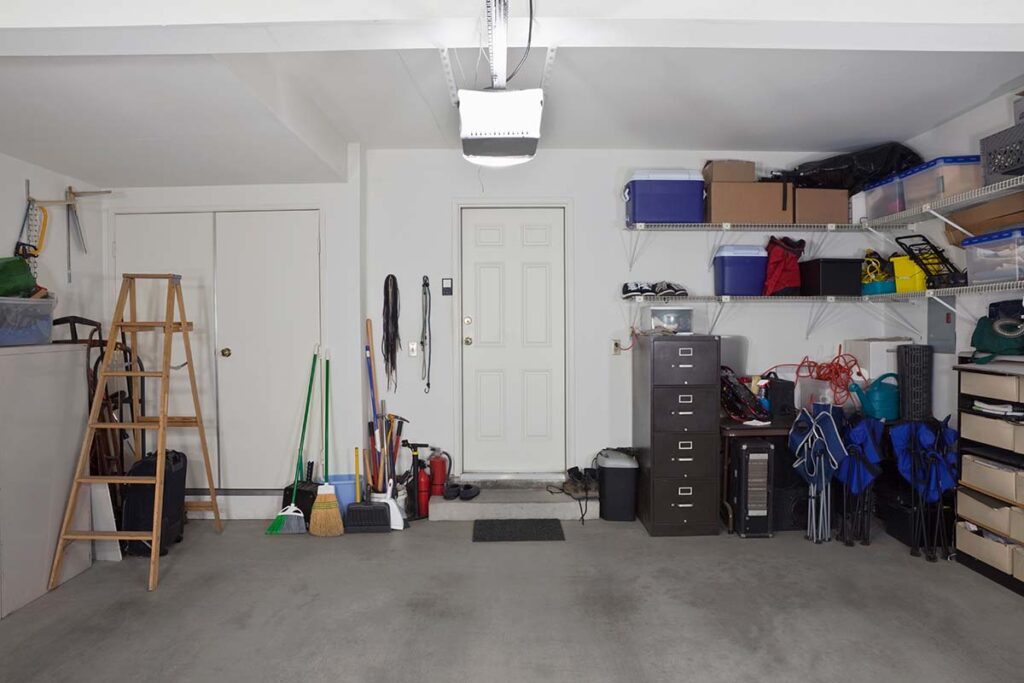
Your garage is probably the most underutilized square footage on your property. If it’s functioning as a dumping ground for holiday decorations and old bicycles, you already know this. But what’s less obvious is just how much financial potential is sitting behind that roll-up door.
Garage conversions have become the most cost-effective ADU option available to homeowners in 2026 — and for good reason. The structure, foundation, and roof already exist. You’re not building from scratch; you’re transforming what’s there. Converting a garage to an ADU costs an average of $110,000, while building a new ADU from scratch costs an average of $180,000 — a gap of $70,000 that goes straight to your return on investment.
But not all garage ADU ideas are created equal. The layout you choose, the way you handle natural light, how you integrate storage, and even the finish choices you make on day one will determine whether this project adds serious value or creates headaches when it’s time to sell or rent. This guide covers what actually works in 2026 — and what quietly kills resale value.
For vetted garage conversion specialists in your area, FindADUPros is a solid starting point before you get your first quote.
Single-Car vs. Double-Car Garage: Starting With What You Have
Single-Car Garages: Compact But Capable
A single-car garage typically gives you 200–300 square feet of usable space — tight, but workable if the layout is smart. A one-car garage conversion project usually involves 250 to 400 square feet of livable area, which places the conversion cost between $70,000 and $100,000.
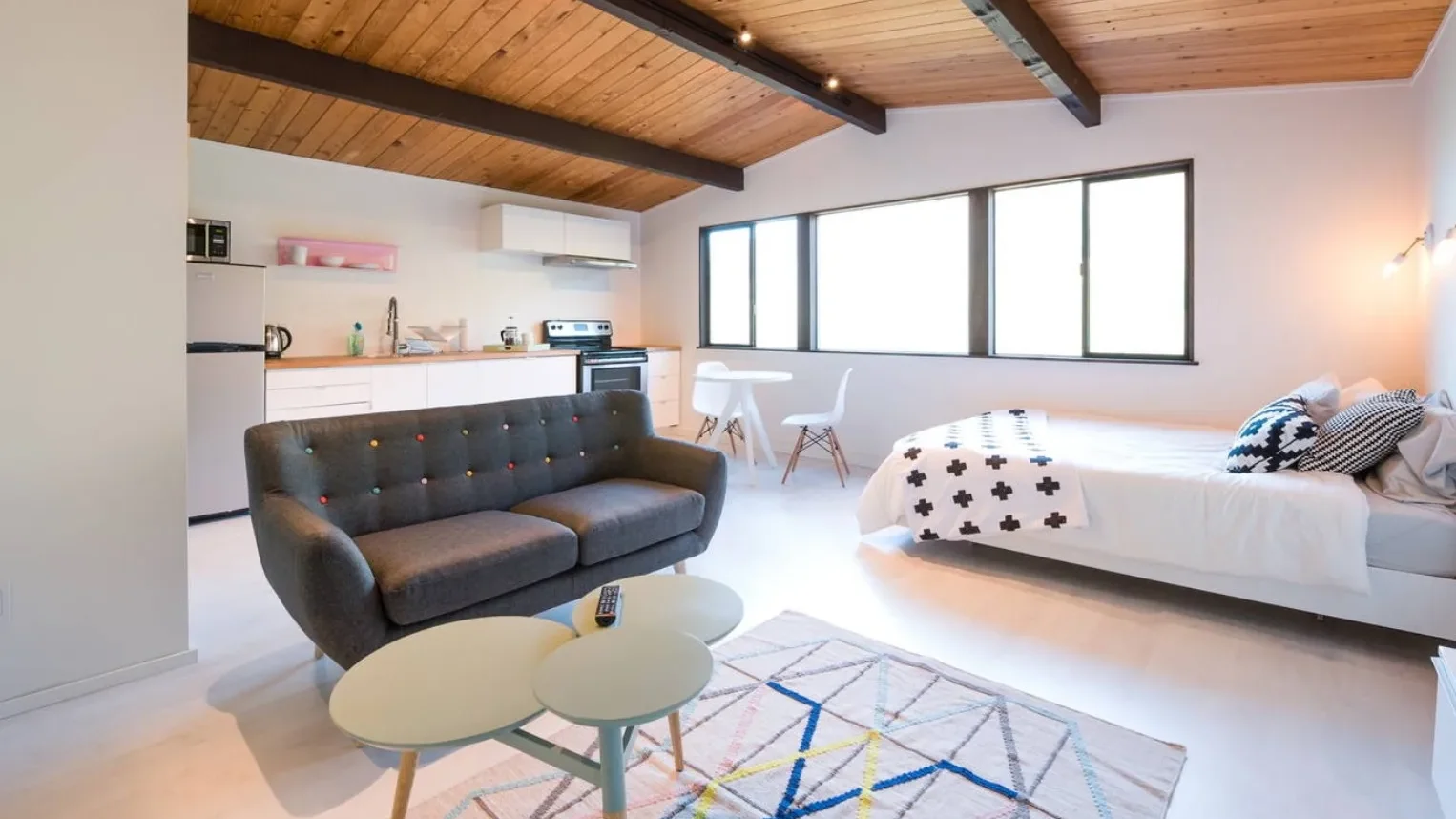
At this size, the best garage ADU layouts lean into efficiency. A studio configuration with an open living area, a properly sized bathroom, and a modest kitchen works well — especially for long-term rental. The biggest risk with single-car conversions is trying to shoehorn in too much. A small bedroom, a separate living room, and a full kitchen in 250 square feet don’t feel like thoughtful design — it feels cramped, and prospective tenants and buyers will notice.
The smartest single-car garage conversion designs prioritize ceiling height over floor area. If your garage has standard 8-foot or taller ceilings, a sleeping loft accessed by a compact staircase frees up the entire ground floor for living, cooking, and bathing. The result is a unit that feels far larger than its square footage suggests.
Double-Car Garages: Where the Real Opportunity Lives
A two-car garage is where garage ADU ideas start getting genuinely exciting. A two-car garage conversion might range from 400 to 600 square feet, putting the total cost closer to $110,000 to $150,000, depending on layout and finishes.
Four hundred to six hundred square feet is enough for a proper one-bedroom apartment — a full living room, a separate bedroom, a functional kitchen, and a bathroom — without any spatial gymnastics. This size also gives you the option to split the space, converting one bay into living quarters while retaining a smaller storage room or workshop. That hybrid approach preserves some utility storage for the primary home while still producing a rentable unit, and it’s one of the more practical garage conversion designs for families who still need somewhere to put the lawnmower.
From a return-on-investment perspective, the two-car conversion is typically where the numbers work best. According to the Remodeling Magazine 2025–2026 Cost vs. Value Report, garage conversions in California can recoup 60–80% of costs at resale, with ADU conversions in high-demand areas often returning 100%+ of the investment through rental income within 5–7 years.
Detached Garage Conversions: The Privacy Premium
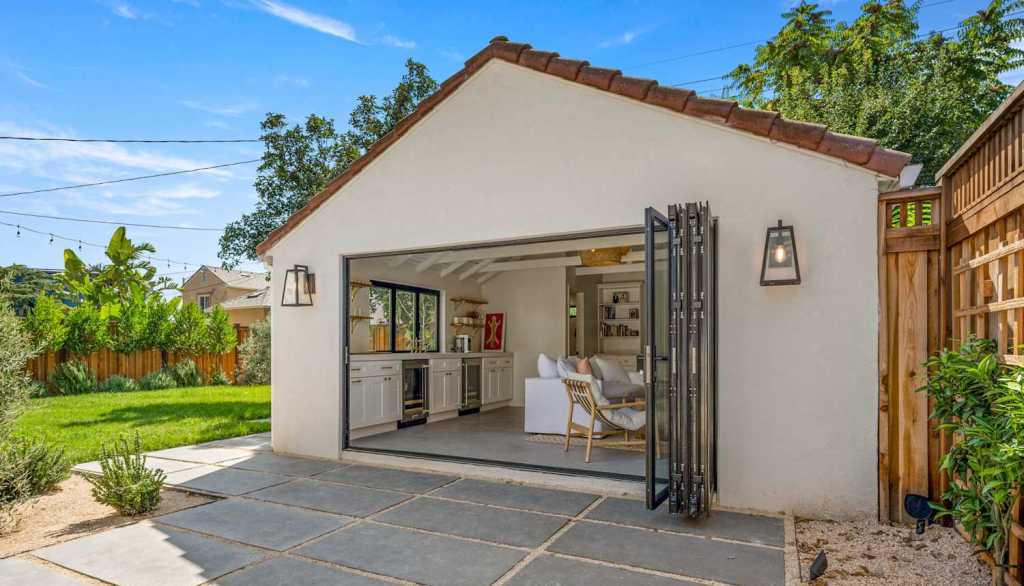
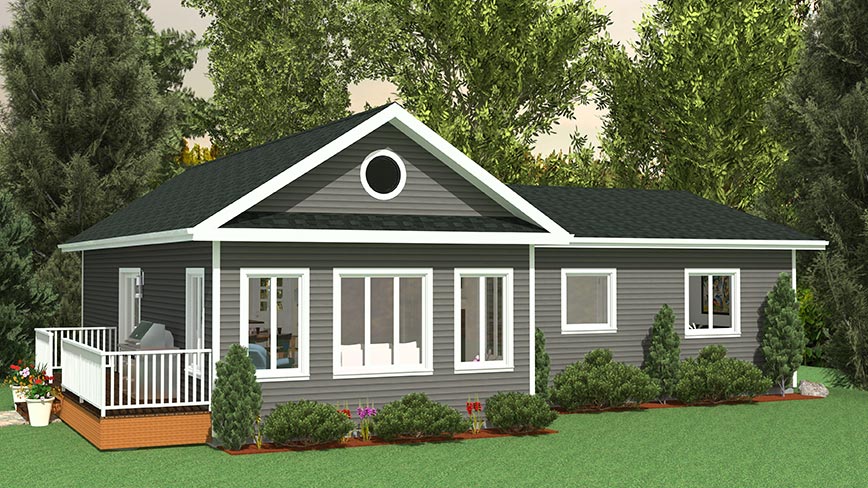
A detached garage — one that sits separately from the primary home — produces the most desirable ADU configuration for rental purposes. The separation provides complete acoustic and visual privacy for both the tenant and the homeowner, which directly translates to higher achievable rents and stronger buyer appeal when the property eventually sells.
Detached garage to ADU conversions do carry additional costs compared to attached conversions. You’ll need to run utilities — electrical, water, sewer — from the main home to the detached structure, and depending on the distance and site conditions, that trenching work can add $5,000–$15,000 to your budget. A separate electrical panel or subpanel for the unit is also typically required.
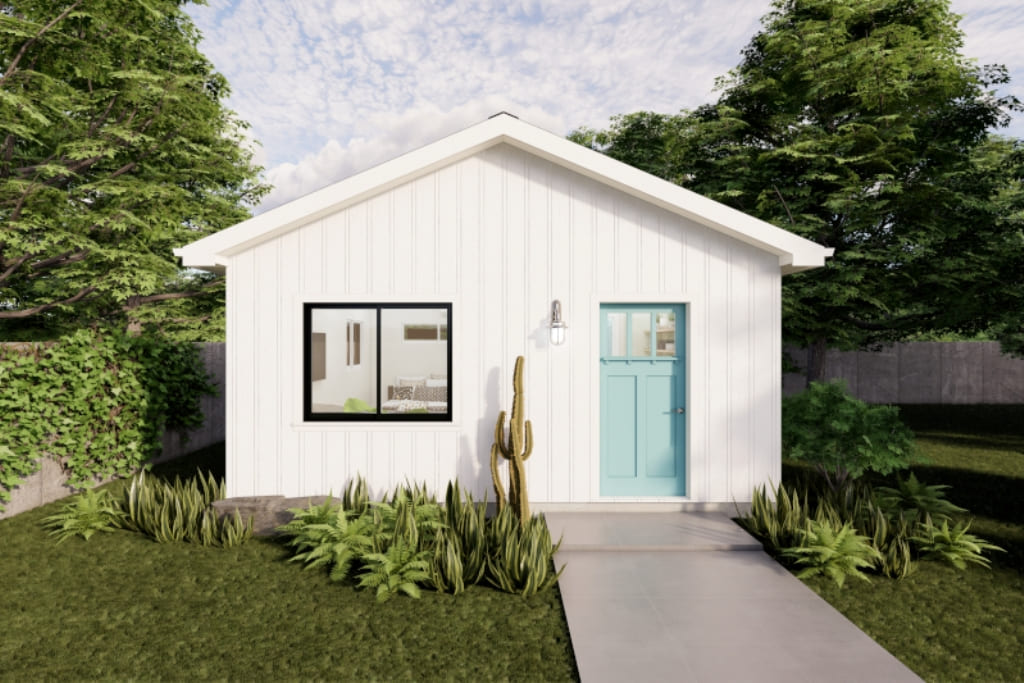
The design implication of a detached structure is that your unit needs to feel fully self-contained — not like a room that happens to have a kitchen in it. A private entrance with a covered porch or a small deck, even a modest one, signals to future tenants that this is an independent home. That psychological separation matters. Units that feel like apartments command apartment rents. Units that feel like converted sheds don’t.
Natural Lighting: The Single Biggest Design Lever
Here’s the honest truth about garage ADU conversions that most planning guides skip over: the default garage structure is designed to keep light out. Small windows, thick walls, and a single large opening that used to face the driveway. If you don’t actively solve the lighting problem in your design, you end up with a technically functional unit that nobody actually wants to live in.
Research shows that homes with better natural light enjoy higher rental appeal and property value. For ADUs, where every square foot counts, the right lighting strategy transforms compact layouts into open, livable spaces.
What Actually Works
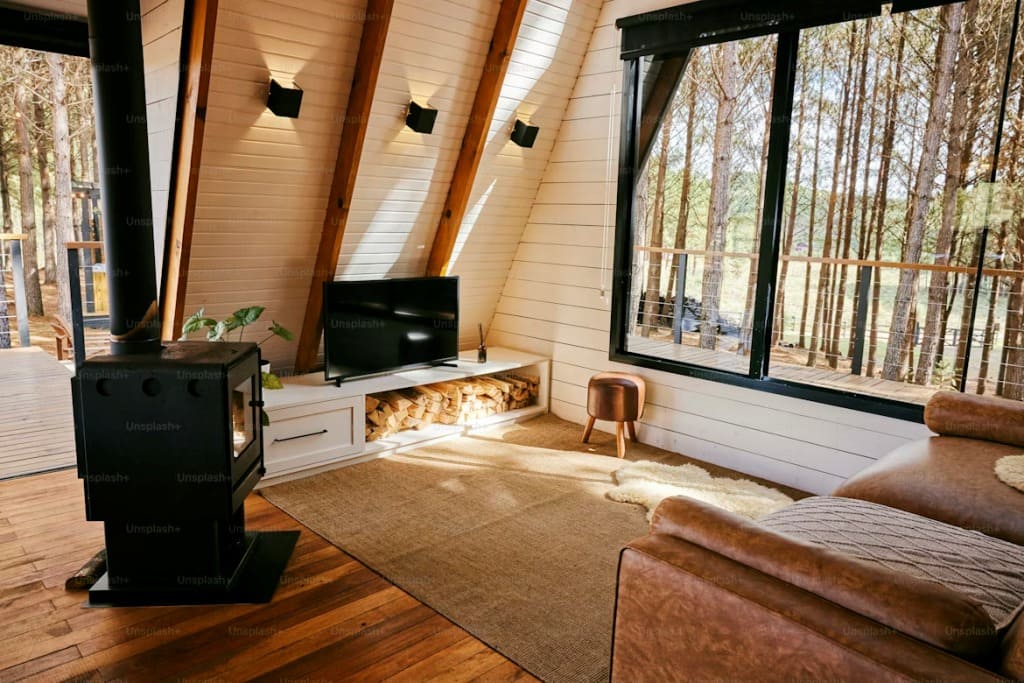
Skylights are the single most effective solution for garage ADUs, particularly for single-car configurations where wall space for windows is limited. A well-placed skylight floods the interior with daylight without sacrificing privacy or wall space, and it costs significantly less than restructuring an exterior wall. Large windows and skylights reduce the need for artificial lighting during the day, while cross-ventilation systems ensure a fresh air supply.
Glass panel doors replacing the original garage door opening are one of the more dramatic and effective garage ADU ideas for light. A wall of French doors or sliding glass panels facing a private patio or garden creates a visual connection to the outdoors that makes even a 300-square-foot unit feel generous. This works especially well for detached garages where the original door opening faces away from the street.
Light-colored interior finishes aren’t just an aesthetic preference — they’re a functional lighting tool. White or off-white walls reflect natural light deeper into the space. Polished concrete floors, light wood tones, and matte white ceilings compound this effect. Conversely, dark feature walls and heavy wood paneling in a small space absorb light and make the unit feel smaller. Simple choices, significant impact.
Placement of interior partitions also matters more than most homeowners realize. A solid wall dividing the sleeping area from the living space blocks light from traveling through the unit. A glass partition, a partial wall, or even a well-placed bookcase achieves the separation without shutting off the light flow. Open-concept floor plans allow light to flow freely between rooms, preventing dark, enclosed spaces — making interiors feel significantly larger and brighter.
Storage Integration: Solving the Problem Before It Creates One
One of the most common complaints about garage ADU conversions — from tenants, from buyers, and from the homeowners who converted them — is that nobody planned for storage. A 400-square-foot apartment without adequate storage feels smaller than 400 square feet. A 400-square-foot apartment with well-integrated storage feels like a thoughtful home.
Built-In Solutions That Add Value
Tall shelving, lofted sleeping areas, and vertical storage help you maximize the height in your garage, keeping the floor clear and the space feeling spacious. The garage’s typical ceiling height — often higher than a standard room — is an asset most conversion designs waste. A sleeping loft with storage drawers built into the stair risers. Overhead cabinets run in the kitchen that extend to the ceiling. A bathroom vanity with deep drawers instead of open shelving. These are the design choices that make a compact unit feel considered.
For two-car conversions, a utility closet integrated into the layout — with space for a stacked washer/dryer, a water heater, and a small mechanical panel — keeps everything accessible without consuming living space. Tenants prioritize in-unit laundry over almost every other amenity. Building it in from the start is far cheaper than retrofitting it later.
A dedicated outdoor storage locker or small shed adjacent to the ADU also solves the bicycle-and-gear problem without eating into the living area. This is a relatively low-cost addition that significantly improves tenant satisfaction.
Rental-Friendly Garage ADU Layouts
If rental income is your primary goal, the layout decisions you make during design directly affect how much you can charge and how quickly you find tenants. These are the garage apartment ideas that consistently produce the strongest rental returns:
Separate entrance, clear from the main home. Shared entrances are a rental liability. Even a simple gate between the ADU’s front door and the main home’s yard, combined with clearly designated parking, signals the independence tenants are paying for.
Private outdoor space. A small patio, a concrete pad with a couple of planters, or even a clearly defined strip of yard attached to the ADU makes the unit dramatically more attractive to renters. Private outdoor space is one of the most searched rental criteria in most major markets.
Full kitchen, not a kitchenette. A four-burner range, full-size refrigerator, and dishwasher cost more to install than a kitchenette setup, but they open your rental pool to a much wider range of tenants — including long-term renters who are cooking at home daily. Kitchenettes limit you to short-stay or corporate rental markets.
Single wet wall. Place your kitchen and bathroom back-to-back, sharing a single plumbing wall. This is both the most cost-efficient layout and the most practical one — it keeps plumbing runs short, simplifies future maintenance, and positions your mechanical utilities in a tighter cluster that’s easier to access.
Design Choices That Hurt Resale Value
Not everything that looks good on a Pinterest board holds up in the real world. These are the design decisions that consistently create problems at resale or refinancing:
Removing the garage door without a proper structural solution. The original garage door opening is typically the widest span in the structure. Converting it to a window wall or a set of French doors requires a structural header capable of carrying the load. Skipping this — or undersizing it — creates settling problems that show up in home inspections years later.
Unpermitted work. It bears repeating: a garage ADU that wasn’t properly permitted is a liability, not an asset. Buyers’ lenders won’t count unpermitted square footage in their appraisal, and sellers are legally required to disclose unpermitted additions in most states. The cost of retroactively permitting or demolishing unpermitted work almost always exceeds what the permit would have cost to pull the first time correctly.
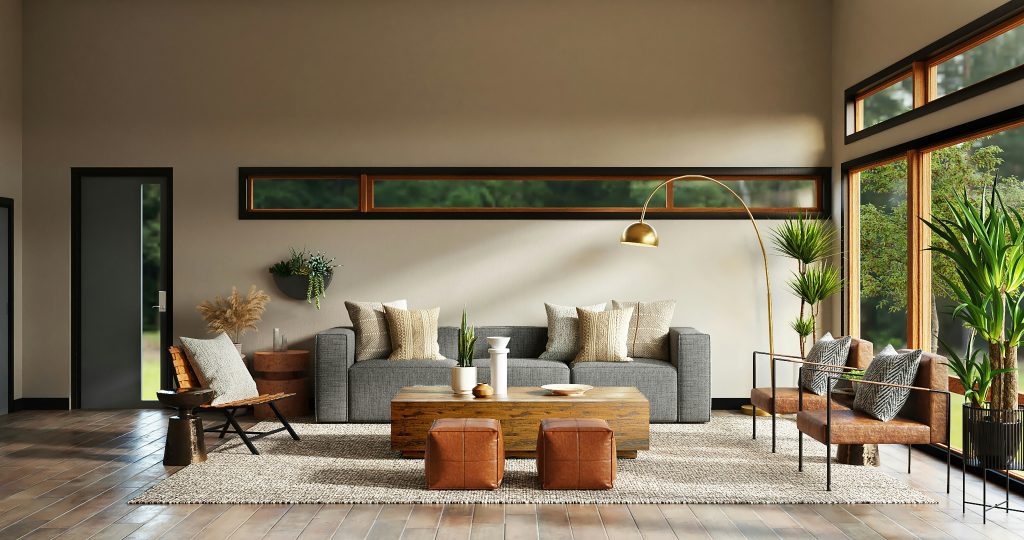
Trendy finishes that date quickly. Exposed industrial pipework, heavily distressed wood, and matte black everything are popular right now. They won’t be in five years. Neutral, quality finishes — engineered hardwood or polished concrete floors, white or light gray walls, simple cabinet hardware — hold their appeal across tenant and buyer tastes and don’t require renovation to stay competitive.
Inadequate soundproofing in attached conversions. An attached garage ADU that lets noise travel freely between the primary home and the unit is harder to rent and harder to sell. Adding acoustic insulation to shared walls during the conversion — when the walls are already open — costs relatively little. Retrofitting it after the fact costs significantly more and creates tenant complaints in the meantime.
No parking solution. In most jurisdictions, replacing a garage with an ADU eliminates one or two parking spaces from the property. Depending on your local ordinances and HOA rules, this may require providing replacement parking elsewhere on the lot. Ignoring this during planning can result in permit delays, neighbor disputes, or a property that’s harder to sell because it no longer meets the buyer’s parking needs.
The Bottom Line
A garage conversion is, for most homeowners, the most financially sensible ADU option available. The structure is already there. The foundation is already poured. The ROI math is compelling even before you factor in rental income.
But the difference between a garage ADU that adds genuine property value and one that merely adds square footage comes down to design intelligence: how you solve the light problem, how you integrate storage, whether the layout genuinely works for a tenant’s daily life, and whether every finish decision was made with durability and long-term appeal in mind.
Get those things right from the start, and your garage becomes one of the best investments on your property. Get them wrong, and you’ve just built an expensive storage unit with a kitchen.
For garage conversion specialists, design resources, and ADU guidance specific to your market, visit FindADUPros.
Frequently Asked Questions
How much does a garage ADU conversion cost in 2026?
Costs vary by garage size and finish level. A single-car garage conversion typically runs $70,000–$120,000 for a permitted, fully functional ADU. A two-car garage conversion runs $110,000–$160,000. These figures assume a complete conversion including kitchen, bathroom, HVAC, and separate utility connections. Pre-existing condition of the structure, your local permit fees, and finish quality all affect the final number.
Do garage ADU conversions add property value?
Yes — consistently. In San Diego, ADUs typically add $150,000–$250,000 in property value, with garage conversions performing better than other ADU types due to their lower initial investment. In most markets, a permitted, well-designed garage ADU adds more value than it costs to build, particularly in high-demand rental areas.
What’s the best layout for a garage ADU rental unit?
For rental purposes, a one-bedroom layout with a full kitchen, private entrance, private outdoor space, and in-unit laundry consistently outperforms studio configurations in both rental rate and tenant retention. The single wet wall layout — kitchen and bathroom sharing one plumbing wall — is both the most cost-efficient and most practical configuration for a converted garage.
Can I keep some garage space and still build an ADU?
Yes, particularly in a two-car garage. A common approach is converting one bay into a living space while retaining the second bay as a storage room or workshop. Most jurisdictions permit this hybrid approach, though you’ll want to confirm minimum ADU size requirements with your local planning department before committing to a split layout.
What permits do I need for a garage ADU conversion?
Requirements vary by jurisdiction, but most garage-to-ADU conversions require a building permit, zoning approval confirming the lot can support an ADU, and separate inspections for structural, electrical, plumbing, and mechanical work. In California, state ADU law streamlines this process significantly. Work with a contractor experienced in ADU permitting in your specific city or county — the permit process is where inexperienced teams lose the most time.