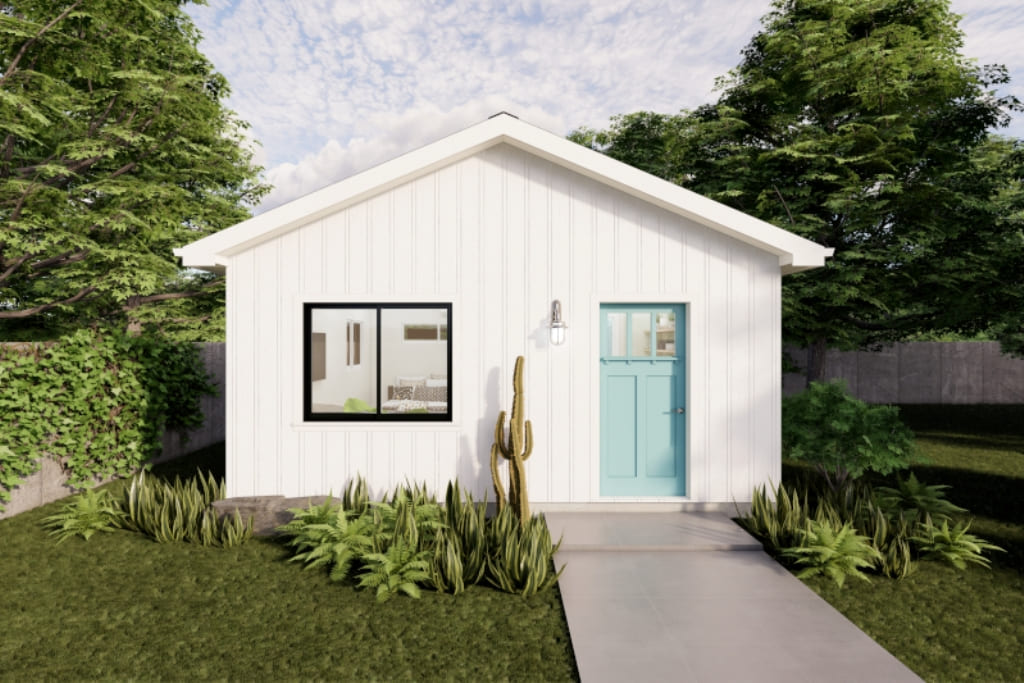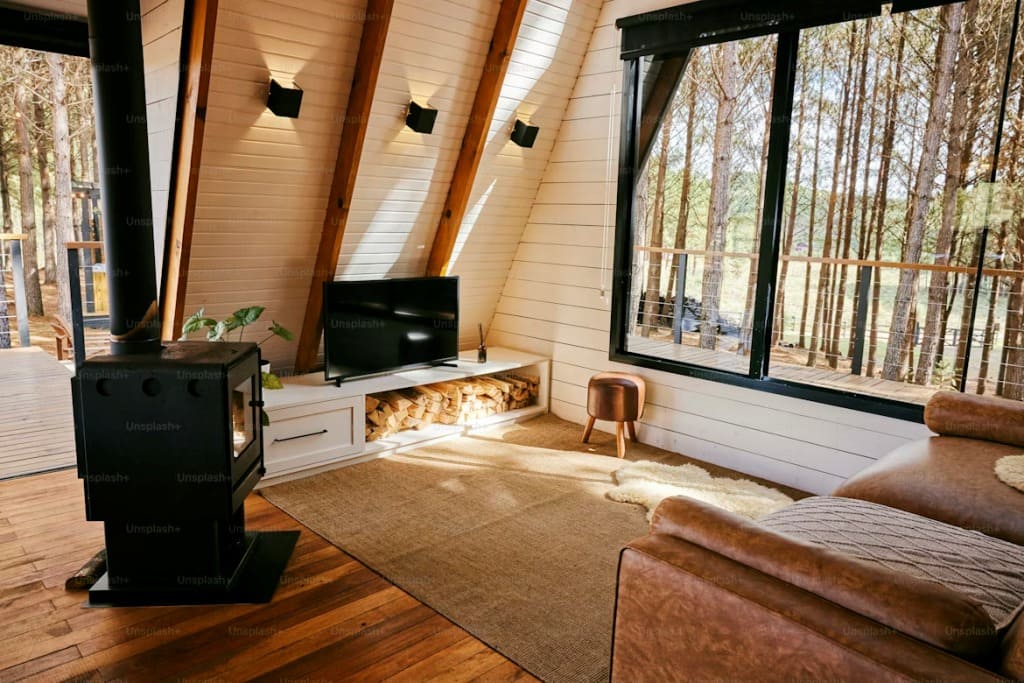
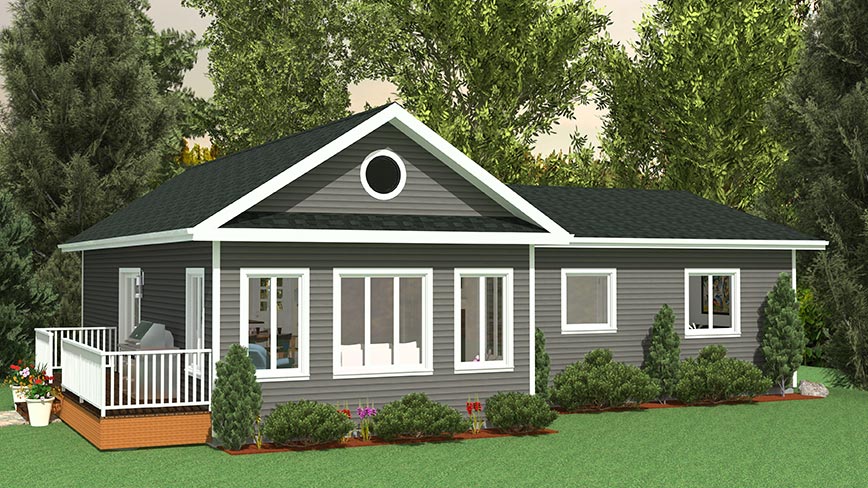
Choosing between Prefab ADU vs Stick-Built is one of the biggest decisions homeowners face when planning an ADU.
Prefab units are known for faster construction and predictable pricing, while stick-built ADUs offer greater customization and flexibility. The best option depends on your budget, timeline, and investment goals.
According to the National Association of Home Builders, off-site construction is becoming increasingly popular as demand for faster housing solutions grows.
In this guide, you’ll compare cost, speed, ROI, and the real prefab ADU pros and cons and stick-built ADU pros and cons before deciding which option is right for you.
What Is a Prefab ADU?
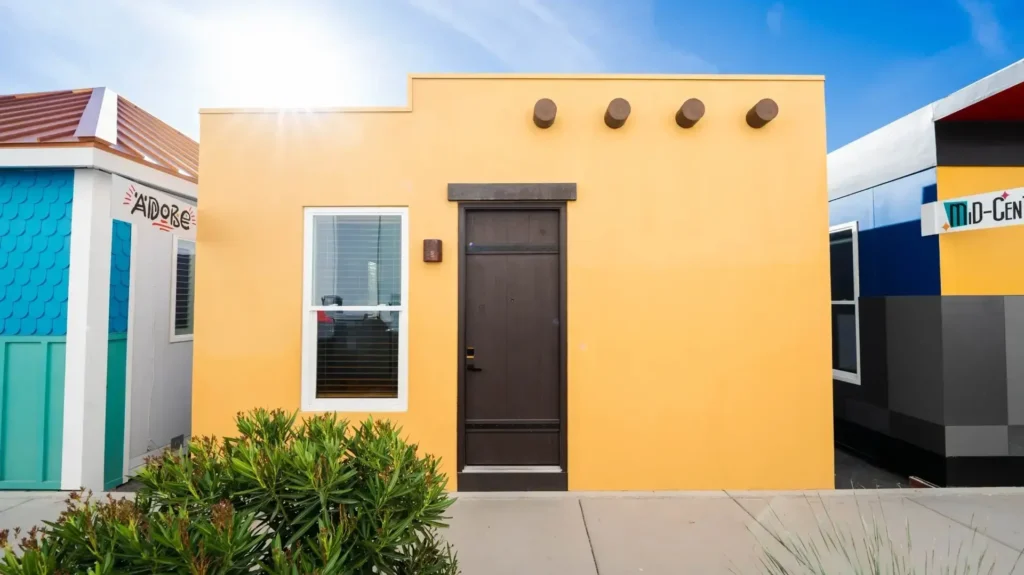
A prefab ADU is a secondary housing unit that is partially or fully built in a factory before being transported to your property for installation. This approach is often called modular or off-site construction.
Unlike traditional builds, prefab units are manufactured in controlled environments, which can reduce weather delays and speed up construction timelines.
There are several common prefab options:
- Modular ADUs assembled in sections
- Panelized kits installed on-site
- Fully manufactured units delivered nearly complete
One reason prefab ADUs are gaining popularity is predictability. Many homeowners prefer fixed pricing and faster completion times compared to traditional construction.
However, prefab isn’t always cheaper or easier. Transportation, crane access, foundation work, and local permits can still increase total costs.
Prefab ADU Pros and Cons
Pros
- Faster build timelines
- More predictable pricing
- Less on-site disruption
Cons
- Limited customization
- Transportation and installation costs
- Site access limitations
According to the National Association of Home Builders, off-site construction methods continue to grow because they improve efficiency and reduce labor-related delays.
What Is a Stick-Built ADU?
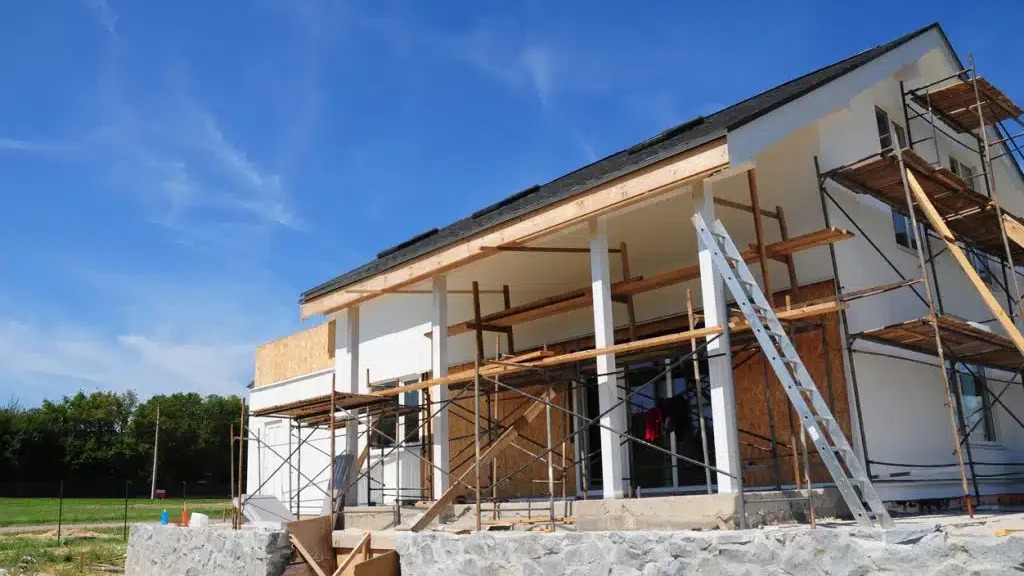
A stick-built ADU is constructed entirely on-site using traditional building methods. Instead of being manufactured in a factory, the structure is built piece by piece directly on your property.
This is the more conventional approach and gives homeowners greater control over layout, materials, and design details.
Stick-built ADUs are often preferred for:
- Fully custom floor plans
- Difficult or irregular lot layouts
- Matching the design of the main home
- Larger or more complex projects
While this method offers flexibility, it usually comes with longer construction timelines and higher labor costs compared to prefab options.
Stick-Built ADU Pros and Cons
Pros
- Full design customization
- Easier integration with existing architecture
- Better flexibility for unique properties
Cons
- Longer build times
- Higher labor expenses
- Greater risk of weather-related delays
The National Association of Home Builders notes that traditional on-site construction still remains the dominant method for homeowners who prioritize customization and long-term design flexibility.
Prefab ADU vs Stick-Built ADU: Key Differences
When comparing Prefab ADU vs Stick-Built, the biggest differences come down to construction method, speed, customization, and overall project flexibility.
Construction Method
Prefab ADUs are built in factories and transported to the property for installation. Stick-built ADUs are constructed entirely on-site from the ground up.
This is the core difference between modular ADU vs stick built ADU construction.
Design Flexibility
Stick-built ADUs usually offer more customization. Homeowners can modify layouts, finishes, ceiling heights, and architectural details more easily.
Prefab ADUs often follow standardized floor plans, though some companies now offer semi-custom options.
Build Timeline
Prefab units are typically faster to complete because factory construction happens simultaneously with site preparation.
Stick-built ADUs take longer due to:
- Weather delays
- On-site labor scheduling
- Material delivery timing
However, permit approval timelines are usually similar for both.
Quality Control
Prefab construction benefits from factory-controlled environments, which can improve consistency and reduce material waste.
Stick-built quality depends heavily on the contractor, crew, and site conditions.
Site and Access Limitations
Prefab ADUs require enough space for transportation and crane installation. Tight urban lots or difficult terrain may create challenges.
Stick-built ADUs are generally more adaptable for unusual property layouts.
Quick Comparison Table
| Feature | Prefab ADU | Stick-Built ADU |
|---|---|---|
| Construction | Factory-built | Built on-site |
| Timeline | Faster | Slower |
| Customization | Moderate | High |
| Labor Costs | Lower | Higher |
| Site Flexibility | Limited | Better |
| Weather Delays | Minimal | Common |
| Installation Access | Required | Less restrictive |
The right choice depends on your priorities. Homeowners focused on speed and predictable pricing may prefer prefab, while those wanting maximum flexibility often choose stick-built construction.
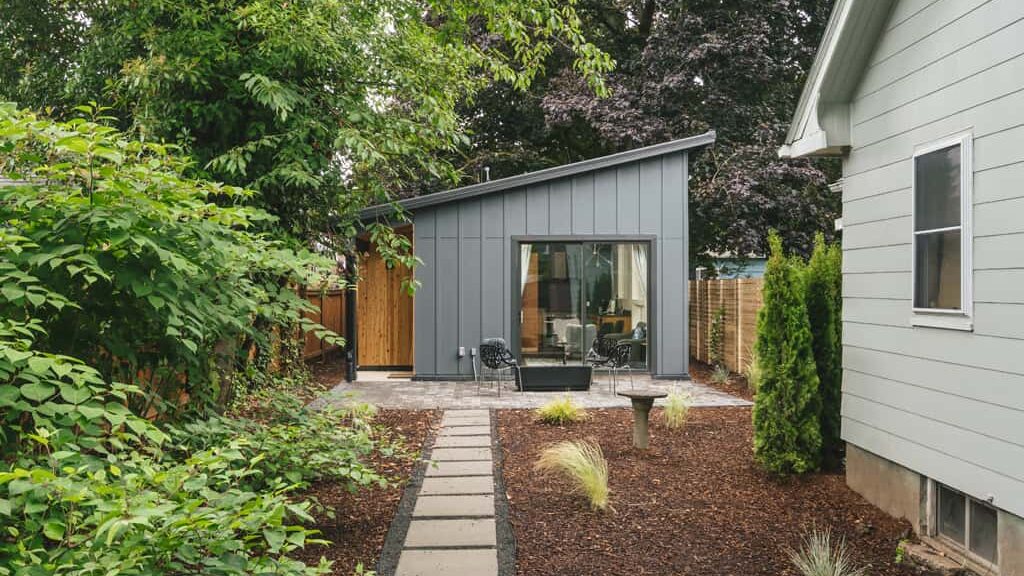
Prefab ADU Cost vs Custom Build
Cost is often the deciding factor in the Prefab ADU vs Stick-Built debate. While prefab units are usually marketed as the cheaper option, the real cost depends on much more than the unit itself.
Average Prefab ADU Costs
Most prefab ADUs typically range from:
- $100 to $250 per sq. ft.
- Around $80,000 to $250,000+ total depending on size and finishes
However, the advertised base price often excludes:
- Foundation work
- Site preparation
- Utility connections
- Transportation and crane installation
- Permit fees
This is why many homeowners underestimate the true prefab ADU cost vs custom build comparison.
Average Stick-Built ADU Costs
Stick-built ADUs generally cost:
- $150 to $350+ per sq. ft.
- Around $120,000 to $400,000+ depending on customization and location
Labor costs are usually higher because construction happens entirely on-site over a longer period.
Hidden Costs to Watch For
Both prefab and stick-built projects can include additional expenses:
- Soil testing
- Drainage improvements
- Utility upgrades
- Impact fees
- Landscaping restoration
These costs vary based on local zoning and property conditions.
Which Option Offers Better Value?
Prefab ADUs often provide better value for homeowners prioritizing:
- Faster completion
- Simpler layouts
- More predictable budgets
Stick-built ADUs may deliver stronger long-term value when:
- Customization matters
- Property conditions are complex
- Higher-end finishes are desired
According to the Urban Land Institute, ADUs in high-demand housing markets can significantly improve long-term property value and rental income potential.
Which ADU Is Faster to Build?
Speed is one of the biggest reasons homeowners compare Prefab ADU vs Stick-Built options.
In most cases, prefab ADUs are faster because much of the construction happens off-site while foundation and utility work are completed on the property at the same time.
Typical Prefab Timeline
- Manufacturing: 6–12 weeks
- Site preparation: 2–6 weeks
- Installation and finishing: a few days to several weeks
Some prefab projects can be completed in just a few months, depending on permits and delivery schedules.
Typical Stick-Built Timeline
- Design and permits: several weeks to months
- On-site construction: 4–9 months or longer
Stick-built projects often take more time because they rely heavily on weather conditions, labor availability, and phased construction schedules.
But Permits Still Matter
One common misconception is that prefab units skip zoning or permit requirements. In reality, both prefab and stick-built ADUs usually go through similar approval processes.
This means delays often come from:
- Zoning reviews
- Permit corrections
- Utility approvals
- Inspection scheduling
So Which Is Faster?
Prefab ADUs usually win on speed, especially for straightforward projects with easy site access. However, difficult terrain, transportation issues, or local restrictions can reduce that advantage.
Stick-built ADUs may take longer, but they offer greater flexibility during construction and design changes.

ROI Comparison: Which ADU Makes More Money?
For many homeowners, the real question in the Prefab ADU vs Stick-Built debate is simple: which option delivers better return on investment?
The answer depends on your goals.
Rental Income Potential
Both prefab and stick-built ADUs can generate high rental income, especially in high-demand housing markets. Smaller prefab units may produce faster returns because they’re typically cheaper and quicker to build.
Stick-built ADUs, however, often command higher rental rates when they offer:
- Larger layouts
- Premium finishes
- Better customization
Property Value Impact
ADUs generally increase property value, but custom stick-built units may blend more naturally with the primary home and appeal more to future buyers.
Prefab units can still add significant value, especially when professionally installed and well-designed.
Long-Term Investment
Prefab ADUs often provide:
- Faster ROI due to lower upfront costs
- Reduced construction timelines
- More predictable budgeting
Stick-built ADUs may provide:
- Higher long-term resale appeal
- Better customization for future use
- Greater flexibility for larger families or luxury rentals
According to the Urban Land Institute, ADUs continue to gain popularity as income-producing assets in housing markets with limited inventory.
Which Option Wins?
- For speed and lower upfront investment → prefab often performs better
- For customization and premium long-term value → stick-built usually has the advantage
Prefab ADU Pros and Cons
Prefab units have become a major part of the Prefab ADU vs Stick-Built conversation because they offer faster construction and more predictable pricing. But they also come with limitations homeowners should understand before choosing one.
Prefab ADU Pros
- Faster construction timelines
Factory-built construction can significantly reduce overall project time. - More predictable pricing
Standardized designs often make budgeting easier compared to fully custom builds. - Less on-site disruption
Since much of the work happens off-site, there’s usually less noise and construction activity on your property. - Improved factory quality control
Controlled manufacturing environments can reduce material waste and weather-related issues.
Prefab ADU Cons
- Limited customization
Many prefab companies offer fewer design and layout options than stick-built projects. - Transportation and installation costs
Delivery, crane access, and site logistics can add unexpected expenses. - Site access restrictions
Narrow streets, steep lots, or difficult terrain may complicate installation. - Zoning and HOA limitations
Some areas may have stricter requirements for modular or manufactured structures.
Understanding these real-world tradeoffs is important when comparing prefab ADU cost vs custom build options.
Stick-Built ADU Pros and Cons
Stick-built construction remains popular because it offers flexibility that prefab units often can’t match. For homeowners prioritizing customization, this is a major advantage in the Prefab ADU vs Stick-Built comparison.
Stick-Built ADU Pros
- Full design customization
You have greater control over layouts, finishes, ceiling heights, and architectural style. - Better integration with the main home
Stick-built ADUs can be designed to match the existing property more naturally. - More adaptable for difficult lots
Irregular property shapes, slopes, or tight access areas are often easier to handle with on-site construction. - Potentially stronger resale appeal
Custom-built structures may attract buyers looking for premium finishes and seamless design.
Stick-Built ADU Cons
- Longer construction timelines
On-site construction usually takes several months and is more vulnerable to delays. - Higher labor costs
Skilled labor and extended project timelines can significantly increase the budget. - Weather-related disruptions
Rain, heat, or material delays can slow progress and affect scheduling. - More variable pricing
Customization and change orders can lead to unexpected costs during construction.
For homeowners focused on personalization and long-term flexibility, stick-built ADUs often provide better value despite the higher upfront investment.
Which Option Is Best for You?
Choosing between Prefab ADU vs Stick-Built ultimately comes down to your priorities, budget, and property conditions.
Choose a Prefab ADU If You Want:
- Faster construction timelines
- More predictable pricing
- Less on-site disruption
- A simpler rental or guest unit
Prefab options often work best for homeowners focused on speed and efficiency.
Choose a Stick-Built ADU If You Want:
- Full customization
- Premium finishes and layouts
- Better flexibility for unique lots
- Stronger long-term design value
Stick-built projects are usually better for homeowners planning a long-term investment or a highly personalized space.
Quick Decision Guide
| Best For | Recommended Option |
|---|---|
| Fastest completion | Prefab ADU |
| Lower upfront cost | Prefab ADU |
| Maximum customization | Stick-Built ADU |
| Difficult property layouts | Stick-Built ADU |
| Luxury rental potential | Stick-Built ADU |
| Predictable budgeting | Prefab ADU |
There’s no universal winner in the modular ADU vs stick built debate. The best choice depends on how you balance cost, speed, flexibility, and ROI.
Conclusion
The decision between Prefab ADU vs Stick-Built comes down to what matters most to you—speed, budget, customization, or long-term value.
Prefab ADUs are often faster and more predictable in terms of pricing, making them attractive for homeowners focused on efficiency and quicker ROI. Stick-built ADUs, on the other hand, offer greater design flexibility and may provide stronger long-term appeal for custom living spaces or premium rentals.
There’s no perfect option for every property. Site conditions, zoning rules, budget, and investment goals all play a major role in determining which approach makes the most sense.
Before making a final decision, compare total project costs carefully, review local permit requirements, and speak with experienced ADU professionals. A well-planned ADU—whether prefab or stick-built—can become a valuable long-term investment for both rental income and property value.