There’s a version of an ADU that looks like it was quietly dropped into someone’s backyard from the pages of a Scandinavian architecture magazine. Clean roofline. White oak cladding. A wall of glass that disappears at the push of a button. A covered patio that functions as a second living room eight months out of the year.
And then there’s the version that looks like a converted storage unit with a mini-fridge.
The difference in rental income between those two units in a competitive market can easily reach $800–$1,200 per month. That gap is driven almost entirely by design. Not square footage. Not location. Design.
Modern ADU designs in 2026 have matured well past the “functional box in the backyard” phase. The most compelling contemporary accessory dwelling units being built right now are architecturally resolved, materially considered, and designed around the specific psychology of how people want to live in small, high-quality spaces. This guide breaks down what defines the dominant styles — and the specific choices that translate into premium rent, lower vacancy, and stronger resale.
Before exploring design options, use the FindADUPros AI ADU Design Advisor to get layout suggestions tailored to your property and goals.
Why Design Style Matters More Than Size in 2026
Today’s rental market rewards thoughtful design. Remote workers, design-conscious professionals, and long-term tenants are often willing to pay more for ADUs that feel like real homes. In cities such as Los Angeles, San Francisco, Seattle, and Portland, well-designed minimalist ADUs can command rental premiums of $600–$1,200 per month over similar-sized standard units.
That premium comes from cohesive design rather than individual upgrades. Natural light, quality materials, and seamless indoor-outdoor living create a space that feels larger, more comfortable, and more desirable—qualities that premium tenants readily recognize.
The leading ADU design styles in 2026 are Scandinavian minimalism, contemporary modernism, and warm minimalism, which blends modern architecture with natural materials. Each style offers distinct advantages depending on the property, budget, and target tenant.
Scandinavian Backyard Cottage: Warmth Without Clutter
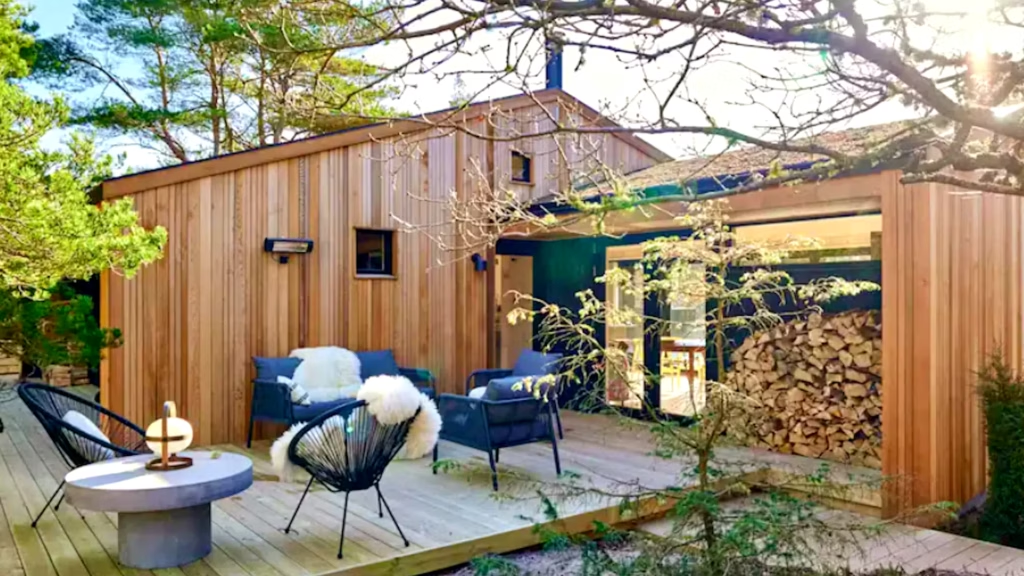
The Scandinavian backyard cottage is arguably the most searched and most Pinterest-ed ADU aesthetic right now — and its popularity makes sense. It’s a style built for exactly what an ADU needs to be: a small space that feels genuinely livable, not just functional.
The defining visual language:
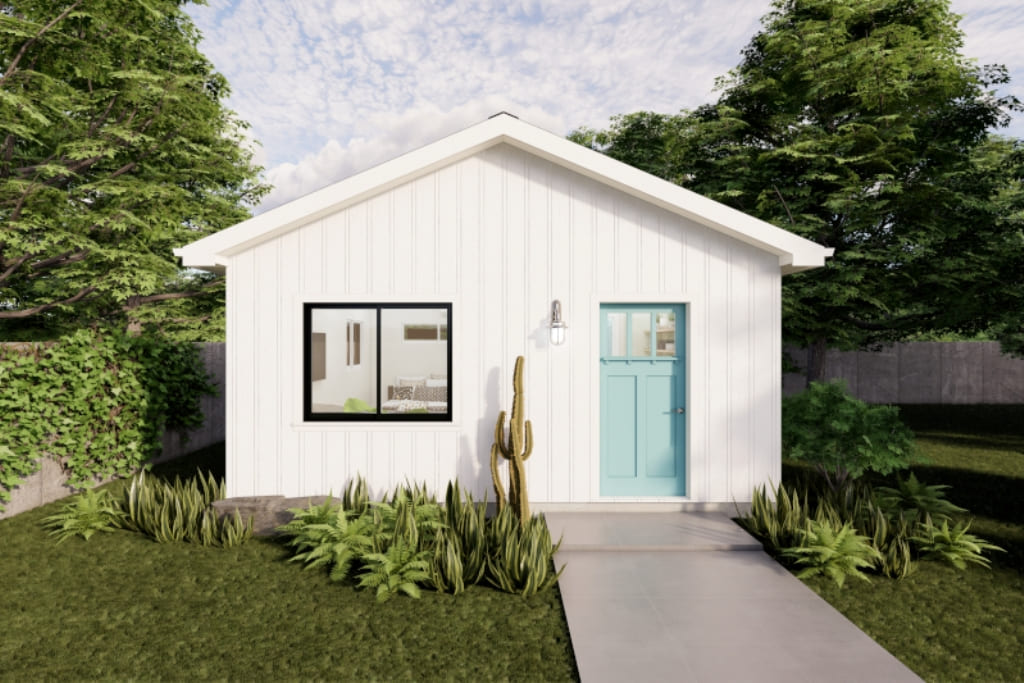
White or light stucco exteriors with dark-framed windows. The contrast of crisp white or warm off-white walls against black or charcoal steel window frames is the signature Scandinavian exterior detail. It photographs exceptionally well, reads as designed rather than built, and holds its visual appeal across years of weathering. The thin steel profiles maximize glass area while the dark color provides definition without heaviness.
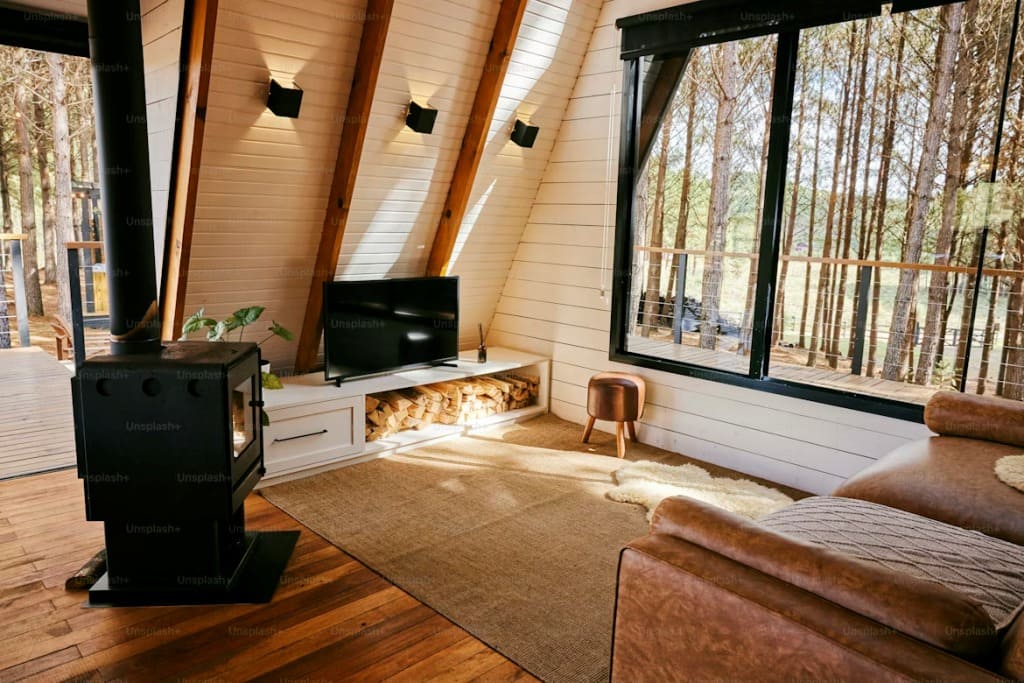
Natural wood as a primary material, not an accent. White oak or Douglas fir used extensively — ceiling paneling, cabinetry running floor to ceiling, wide-plank floors in a matte natural tone. The warmth of wood against white plaster walls is the interior signature of this style. It creates the sense of a space that is simultaneously modern and human in a way that painted drywall interiors simply cannot replicate.
Monochromatic restraint. The color palette is narrow: warm white, natural wood tones, occasional dark charcoal as punctuation. No statement colors, no competing patterns. The discipline of the palette is what makes the material quality read — when there’s less visual noise, the texture of troweled plaster or the grain of white oak becomes the focal point.
Integrated storage that disappears into the walls. Recessed shelving, built-in window seats with hidden storage below, cabinet runs that extend all the way to the ceiling — these details do two things simultaneously: they maximize storage in a compact space, and they eliminate the visual clutter that makes small units feel cramped. In a Scandinavian ADU, storage is architecture, not furniture.
The Scandinavian style works particularly well as a minimalist ADU floor plan because its design vocabulary is built around efficiency. Every element earns its place.
Minimalist ADU Floor Plans: Designing Space That Breathes
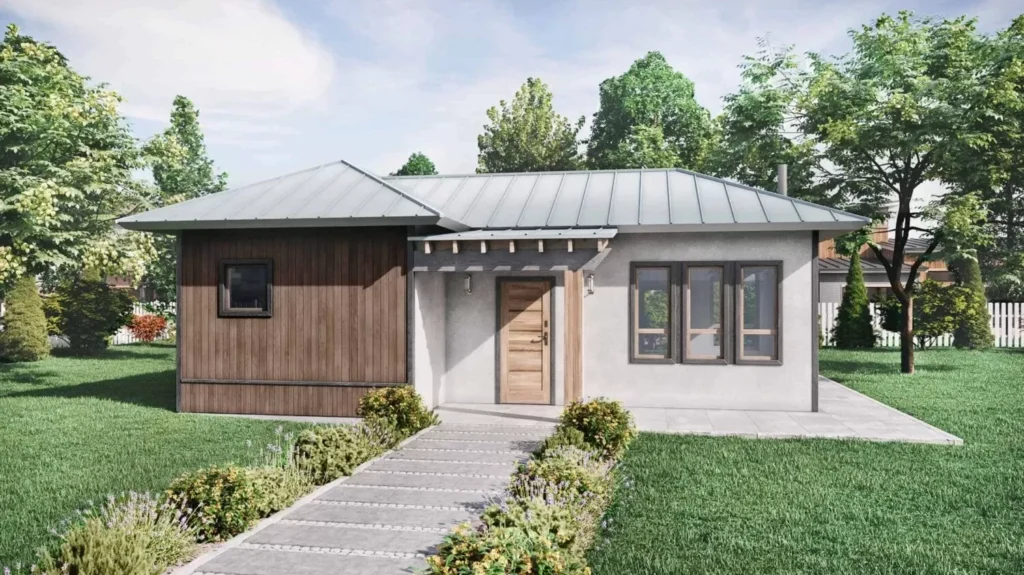
Minimalist ADU design isn’t about making a space smaller—it’s about making every square foot work harder. The best layouts maximize function while keeping the design clean and uncluttered.
Open-concept layouts with a single wet wall. Placing the kitchen and bathroom on one plumbing wall reduces construction costs, eliminates unnecessary hallways, and creates a more open living area.
Floor-to-ceiling windows. Large windows visually connect the interior with the outdoors, making compact ADUs feel brighter and more spacious.
Ceiling height over square footage. Vaulted or shed-style ceilings often have a greater impact on spaciousness than adding extra floor area, making them a cost-effective design upgrade.
Exposed structural elements. Features such as exposed wood beams or steel frames add character and architectural interest without increasing the building’s footprint.
Contemporary Accessory Dwelling Unit: Clean Lines, Material Precision
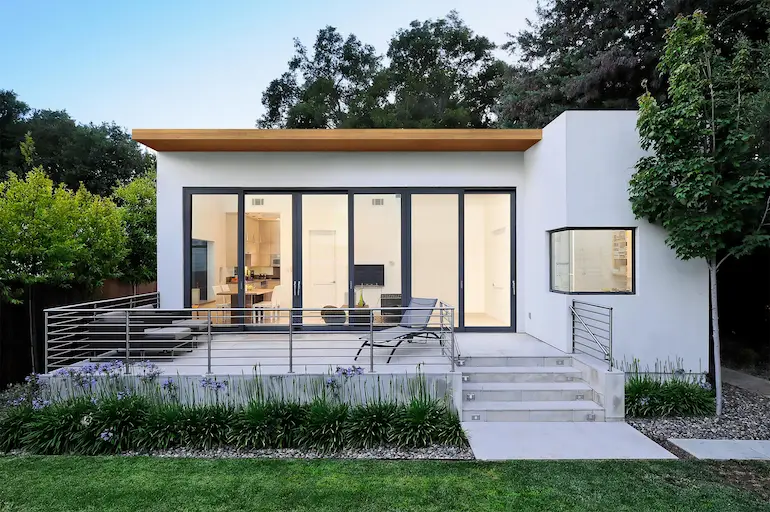
Contemporary ADU design applies minimalist principles with clean lines and architectural precision. Unlike the warmth of Scandinavian design, contemporary modernism emphasizes crisp geometry, though many of the best 2026 ADUs blend elements of both styles.
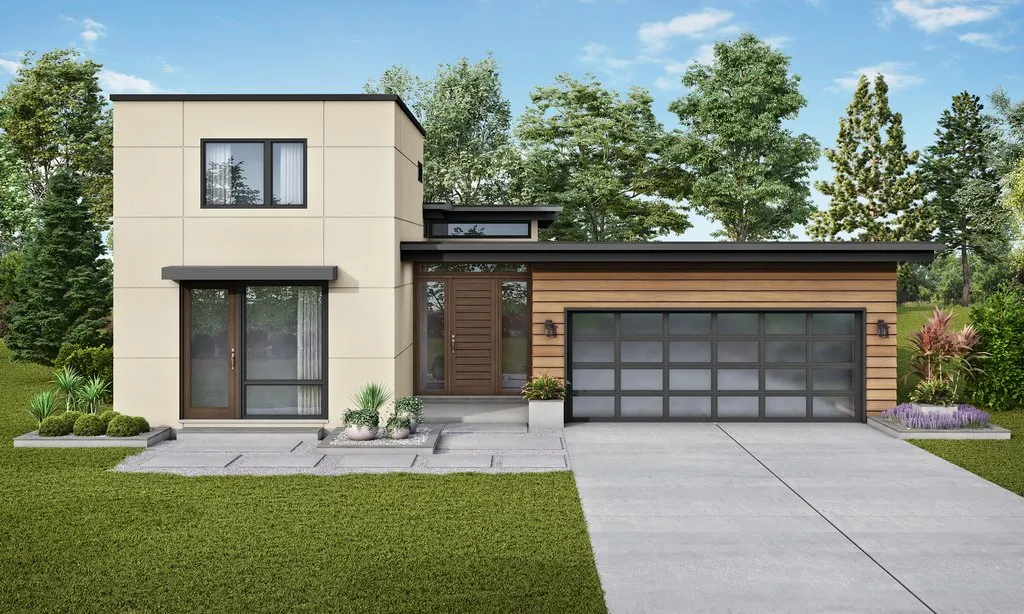
Flat or low-pitch rooflines. A flat roof with deep overhangs defines the contemporary look, creating a sleek profile while improving energy efficiency through seasonal shading.
Concrete, steel, and glass exteriors. Materials such as fiber cement panels, steel-framed windows, and concrete finishes offer a durable, low-maintenance appearance that appeals to premium renters.
Geometric outdoor living spaces. A well-designed patio with defined boundaries, such as a pergola or low wall, extends the living area and enhances both lifestyle appeal and rental listing photos.
Indoor-Outdoor Living: The Design Detail That Drives Premium Rent
If there’s a single design decision that separates a high-performing rental ADU from an average one, it’s the quality of the indoor-outdoor connection.
Pocket doors that disappear into the wall. A 10-foot sliding glass wall that retracts fully into the wall creates a seamless connection between indoor and outdoor spaces. In California’s mild climate, this feature is usable for much of the year and is especially attractive to renters seeking true indoor-outdoor living, often supporting higher rental rates.
Continuous flooring across the threshold. Large-format porcelain tile or sealed concrete running from the interior through the door opening and onto the covered patio — at the same level, with no threshold bump — eliminates the physical and visual boundary between inside and out. The floor plane tells the eye that the patio is another room, not a separate zone.
Covered outdoor rooms. A 150 sq ft covered patio with the right materials and a ceiling-mounted outdoor heater functions as a dining room, a home office, or a morning coffee space. It appears in listing photos as premium lifestyle content. It justifies rent increases that far outpace its construction cost.
High-Yield Interior Design Elements for Premium Urban Renters
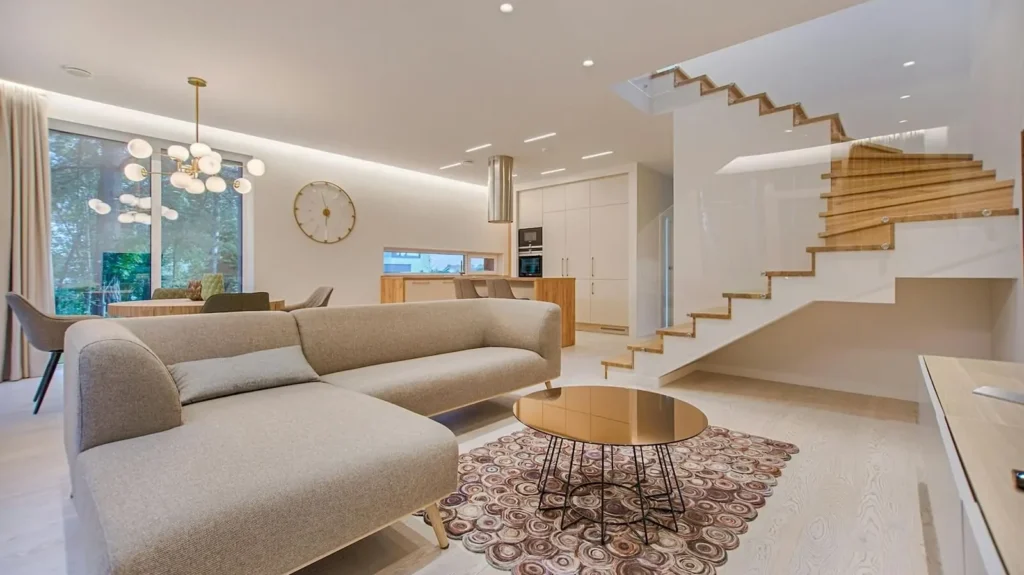
Beyond architectural style, a few interior upgrades consistently help ADUs command higher rents and reduce vacancy.
In-ceiling audio. A whole-home speaker system offers a clean, modern look and is a popular premium feature among tenants.
Waterfall kitchen islands. A quartz or quartzite waterfall island serves as a striking focal point while providing extra workspace and seating.
Curbless walk-in showers. Large-format tile, frameless glass, and wall-mounted fixtures create a spacious, high-end bathroom with minimal visual clutter.
Layered lighting. Combining recessed ceiling lights, under-cabinet LEDs, and pendant lighting creates a warm atmosphere and enhances listing photos, helping premium rentals stand out.
Choosing Your Style: Which Works Best for Your Property?
The best ADU style depends on three factors: your home’s exterior, your lot’s orientation, and your target tenant.
- Scandinavian or warm minimalist designs pair well with traditional and Craftsman homes and offer a budget-friendly way to achieve a warm, timeless look.
- Contemporary modern designs work best with modern homes and flat urban or suburban lots where clean lines and flat roofs stand out.
- Hybrid warm-minimalist designs blend Scandinavian warmth with contemporary simplicity, making them one of the most popular and versatile ADU styles in 2026.
Whichever style you choose, a cohesive design and efficient use of space are what attract premium tenants and higher rents.
For help designing your modern ADU with layouts and cost estimates specific to your property, use the FindADUPros AI ADU Design Advisor. For realistic construction cost modeling, the ADU Cost Calculator is your best starting point before engaging any architect or contractor.
Frequently Asked Questions
What is the most popular modern ADU design style in 2026?
Scandinavian-inspired warm minimalism is the leading ADU design trend, featuring light stucco exteriors, dark-framed windows, white oak finishes, plaster walls, and built-in storage. Contemporary modern designs with flat roofs and concrete-style exteriors remain popular, and many of the best 2026 ADUs combine elements of both styles.
Do modern ADU designs cost more to build than standard designs?
Modern ADU features such as steel-framed windows, large-format tile, plaster finishes, and pocket doors typically add $30,000–$60,000 to construction costs. In many markets, this investment is recovered within 2–4 years through higher rental income, with continued returns over the property’s lifetime.
What floor plan works best for a minimalist ADU?
Open-concept layouts with a single wet wall maximize living space in compact ADUs. Eliminating hallways, adding floor-to-ceiling windows, and using a vaulted shed roof are cost-effective ways to make a minimalist floor plan feel larger and brighter.
What indoor-outdoor features drive the highest rental premiums?
Pocket doors, continuous indoor-outdoor flooring, and a covered outdoor living area are among the most valuable ADU design features. In competitive rental markets, well-designed indoor-outdoor spaces can attract premium tenants and command rents that are $400–$800 per month higher.
How do I choose the right ADU architectural style for my property?
Match your ADU’s exterior to the style of the main home. Scandinavian designs complement traditional and Craftsman homes, while contemporary styles pair well with modern exteriors. South- or west-facing lots benefit most from indoor-outdoor features. For rentals, contemporary and Scandinavian designs are especially popular with long-term, design-conscious tenants.