Homeowners remain confused about how California SB 9 — officially the California HOME Act — interacts with standard ADU law. It’s one of the most misunderstood pieces of California housing legislation, and the confusion is expensive: choosing the wrong pathway can mean forfeiting units you were entitled to build, paying fees you didn’t need to pay, or building in a city where SB 9’s enforcement is genuinely in legal flux.
This article breaks down the California SB 9 guide 2026, how they interact with ADU law, which cities face ongoing litigation, and which pathway makes sense for your lot.
Use the FindADUPros Zoning Information Lookup to confirm your property’s zoning before evaluating either pathway.
Quick Eligibility Checklist
- Zoning: Explicitly single-family residential (multi-family, commercial, agricultural zones disqualified)
- Tenant History: No residential tenant — market-rate or rent-controlled — in the past three years
- Hazard Mapping: Not in a wetland, flood zone, or Very High Fire Hazard Severity Zone without approved mitigation
- Historic Status: Not a designated landmark, unless no contributing structures are altered (AB 1061, effective Jan 1, 2026)
- Charter City Status: Confirm your city isn’t part of the ongoing litigation described below
What California SB 9 Actually Is
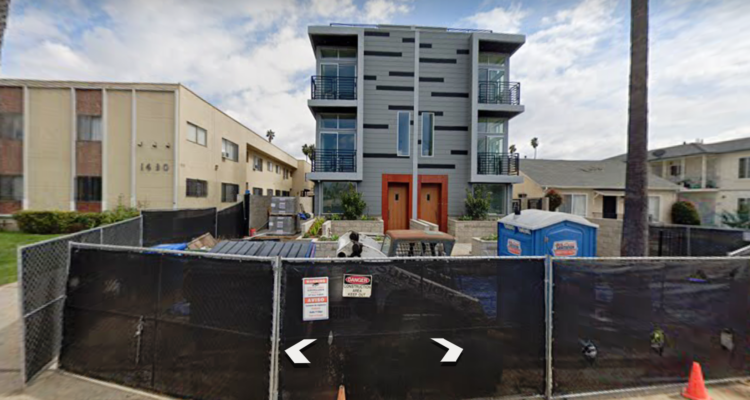
Signed in 2021 and effective January 1, 2022, SB 9 allows eligible single-family properties to build up to two primary units or split into two lots — each permitting up to two units — through ministerial approval, without discretionary review or hearings.
The distinction most guides get wrong: SB 9 units are primary dwelling units, not ADUs. A primary unit has the same legal status as your existing house — a distinct, independent residence, not an accessory structure. State law treats primary units and ADUs completely differently, and confusing the two is the most common planning mistake.
The Charter Cities Legal Conflict
This is the most important 2026 update most SB 9 guides miss.
In 2022, five charter cities — Redondo Beach, Carson, Torrance, Whittier, and Del Mar — sued the state, arguing SB 9 was unconstitutional as applied to charter cities under California’s “home rule” doctrine. On April 22, 2024, a Los Angeles Superior Court judge agreed, ruling SB 9’s requirements weren’t sufficiently tied to its stated affordable-housing purpose.
What this ruling actually covers: it bound only the five petitioner cities — not California’s other 116 charter cities, including LA, San Francisco, San Diego, and San José. Attorney General Bonta appealed. In 2025, the legislature passed SB 450, amending SB 9’s language to tie its purpose to housing supply broadly rather than affordability specifically. An appellate court sent the case back to the trial judge for reconsideration in light of that change — meaning the 2024 ruling is no longer settled and remains in litigation into 2026. Separately, a distinct appellate ruling upholds SB 9 for general-law cities — the majority of California municipalities — unaffected by this dispute.
Practical guidance: if you’re in a general-law city, proceed normally. If you’re in one of the five litigant cities, confirm current processing status with your planning department. If you’re in any other charter city, SB 9 remains enforceable under the state’s position, but confirm local policy hasn’t shifted. Don’t assume automatic ministerial approval without direct confirmation if you’re anywhere near this litigation.
SB 9 Duplexes vs. Primary Home + ADU + JADU
Two-Unit Development (No Lot Split): Keep your parcel intact and build up to two primary units. Because SB 9 and ADU law are complementary when the lot stays whole, the local agency must also allow ADUs and JADUs in addition — reaching up to 4–5 total units on one unsplit parcel.
Urban Lot Split: Divide your lot into two parcels, each at least 1,200 sq ft and no smaller than 40% of the original (a 60/40 to 50/50 split). Each parcel supports up to two primary units — four total. But ADUs and JADUs are generally prohibited on split parcels — San Diego’s municipal code states this explicitly.
| Factor | No Lot Split | Urban Lot Split |
|---|---|---|
| Max units | Up to 4–5 | Up to 4 primary units |
| ADUs/JADUs allowed | Yes | Generally no |
| New parcels created | No | Yes |
| Owner-occupancy | Not required | Required, 3 years |
| Impact fees | Waived under 750 sq ft (ADU) | Required regardless of size |
| Separate sale potential | Limited | Higher |
| Timeline | ~3–6 months | ~4–8 months |
| Mapping/utility cost | None | Up to $80,000 in complex cases |
Why Lot Splits Cost So Much
The $80,000 figure isn’t administrative fees — it’s driven by two technical requirements. A licensed surveyor must prepare Tentative and Final Parcel Maps ($8,000–$25,000). More significantly, each new parcel needs independent utility separation — new water, sewer, and electrical lines run individually from the street, sometimes trenched across the front parcel via easement to reach the rear one. This civil work, not city filing fees, drives the bulk of the cost — and is exactly why corner lots and alley access dramatically reduce it.
Owner-Occupancy: The Three-Year Rule and Its Exceptions
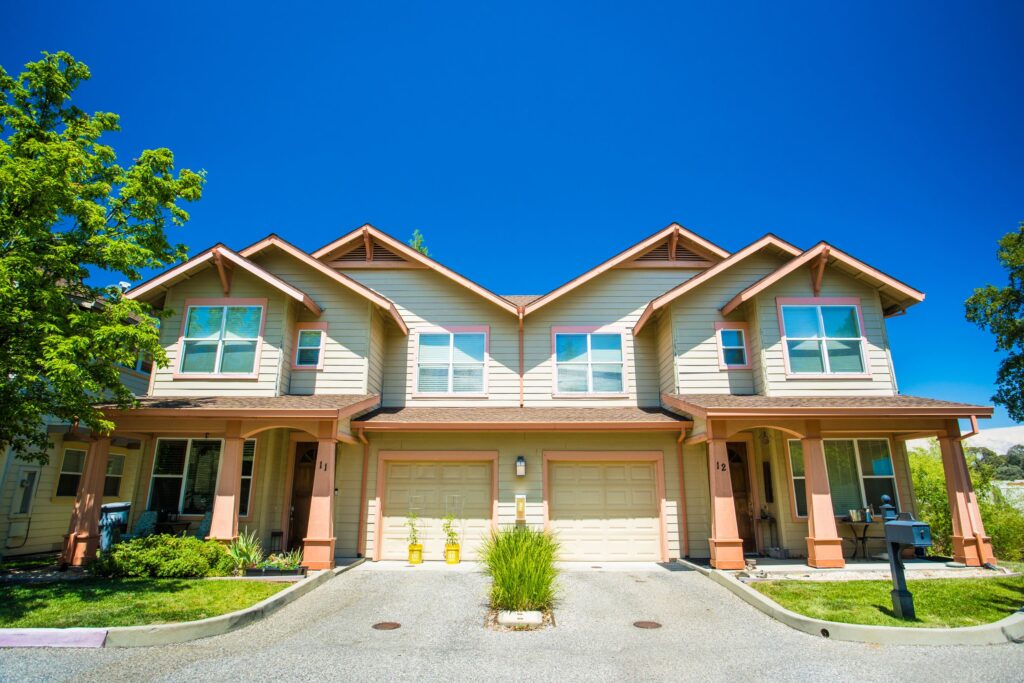
Urban lot splits require a signed affidavit committing to live in one resulting unit for three years — designed to prevent purely speculative use. Two clarifications most guides skip:
Nonprofit exception: the requirement is waived when a qualified nonprofit community land trust or affordable housing organization executes the split, allowing mission-driven organizations to use SB 9 without placing staff as residents.
It’s a declaration of intent, not a lien. A genuine life event forcing an early sale — job relocation, medical emergency — doesn’t automatically trigger foreclosure, though cities can audit compliance. Treat the pledge as a real commitment, not a formality.
Two-unit development without a lot split has no owner-occupancy requirement — the more flexible pathway for pure investors.
⚠️ The Impact Fee Catch
Standard ADUs under 750 sq ft are exempt from development impact fees. SB 9 primary units are subject to impact fees regardless of size. Factor this into your cash-flow model early — it’s often the deciding factor between an SB 9 unit and a fee-exempt ADU.
Structural Considerations by Lot Shape
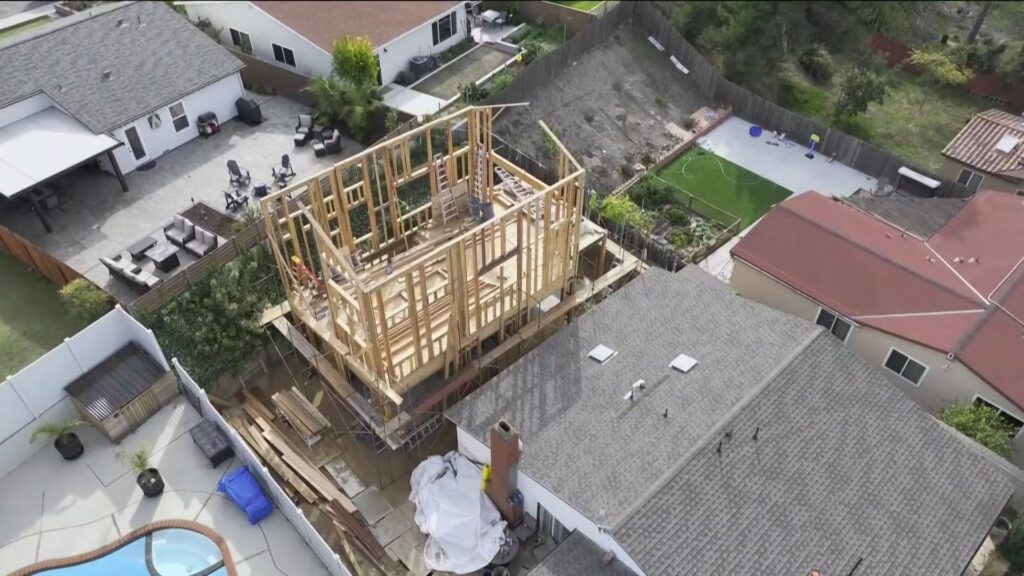
Deep lots favor two-unit development without a split — enough depth to place a second primary unit with adequate separation, plus room for an ADU or JADU.
Corner and alley-access lots favor urban lot splits — they solve the costliest engineering problem by providing independent access and simpler utility routing without flag-lot configuration.
Narrow lots struggle under either pathway; a 50-foot lot split into two 25-foot parcels leaves little room for setbacks and parking simultaneously, so the no-split pathway is usually more practical.
Septic-served properties need a percolation test completed within five years (or ten if recertified) before development under either pathway.
Objective Design Standards and City Variation
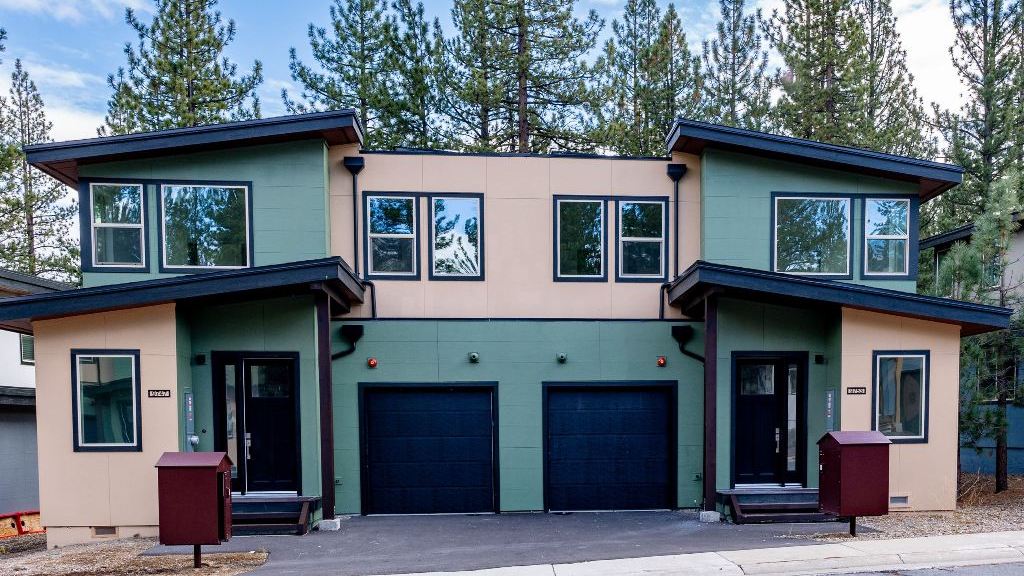
SB 9 mandates ministerial approval, but cities retain authority to apply objective, written, uniformly applied design standards — height, roof pitch, window placement, materials, structure separation, and parking configuration. Because every city writes its own version, approval speed varies meaningfully by jurisdiction, and now, in a small number of charter cities, faces added uncertainty from the ongoing litigation above. Pull your city’s published standards before investing in complete plans.
What Disqualifies a Property
SB 9 excludes Very High Fire Hazard Severity Zones, flood hazard areas, wetlands, Coastal Commission zones, earthquake fault zones, and protected species habitat. Historic landmarks are excluded unless no contributing structures are altered under AB 1061. Properties with any tenant occupancy — rent-controlled or market-rate — in the past three years are disqualified. A lot generally cannot be split more than once.
Use the FindADUPros ADU Cost Calculator to model costs across both pathways.
Which Pathway Should You Choose?
Choose two-unit development without a split if you want maximum density without owner-occupancy, want ADUs/JADUs in addition to primary units, and aren’t planning a separate sale.
Choose an urban lot split if you’ll live on-site three years, want independently titled parcels, plan an eventual separate sale, and your lot’s shape supports cost-effective division.
Confirm your charter city enforcement status either way, and factor mandatory impact fees into your SB 9 budget from the outset.
For help evaluating your specific property, visit FindADUPros.
Frequently Asked Questions
Is SB 9 still legal in 2026?
Yes, for most California cities. A 2024 ruling declared it unconstitutional specifically for five charter cities (Redondo Beach, Carson, Torrance, Whittier, Del Mar), but that ruling is now being reconsidered following a 2025 legislative amendment and appellate remand. A separate ruling upholds SB 9 for general-law cities — the majority of municipalities. Confirm status with your planning department if you’re in a charter city.
Can I build an ADU on a lot already split under SB 9?
Generally no — split parcels are typically prohibited from also adding ADUs or JADUs, since the four-unit maximum is achieved entirely through primary units. Confirm with your planning department, as interpretation can vary.
Is owner-occupancy required, and are there exceptions?
Urban lot splits require a three-year affidavit, waived for qualified nonprofit land trusts or housing organizations. It’s a declaration of intent, not a lien — an early sale from a genuine life event doesn’t automatically trigger penalties. Two-unit development without a split has no such requirement.
Why do lot splits cost so much more than building an ADU?
Beyond mandatory impact fees, splits require a licensed surveyor’s parcel maps and fully independent utility separation for each new parcel — new water, sewer, and electrical lines, not shared service. This civil work drives costs into the tens of thousands, occasionally reaching $80,000 without existing alley or corner access.
Do SB 9 units pay the same fees as ADUs?
No. ADUs under 750 sq ft are fee-exempt under state law. SB 9 primary units pay impact fees regardless of size — a key factor when choosing between the two.