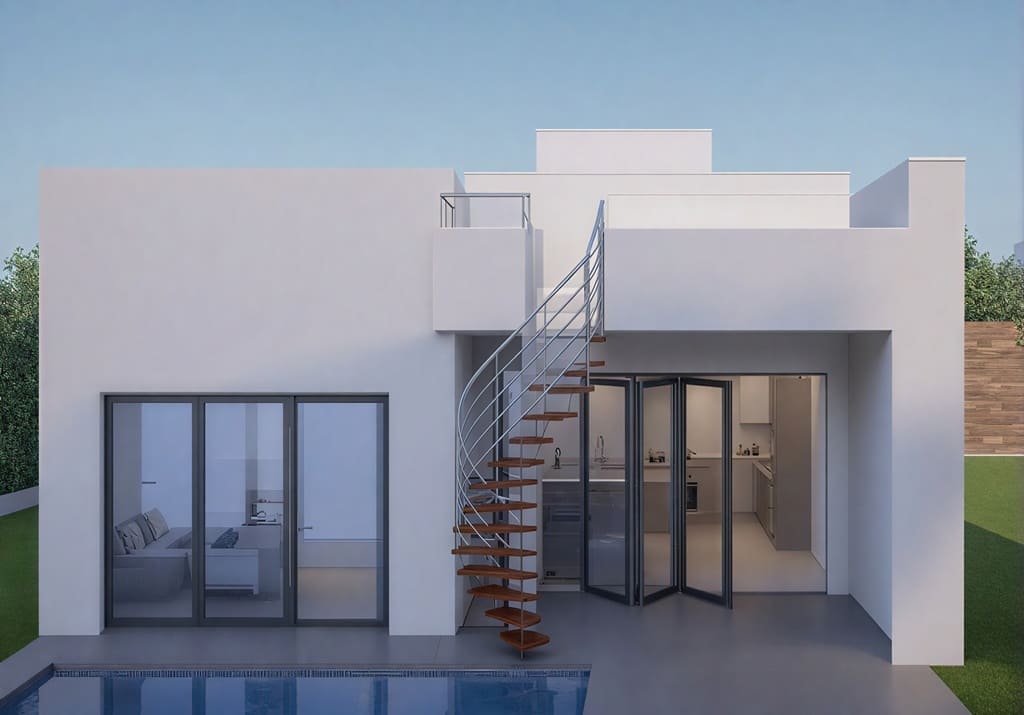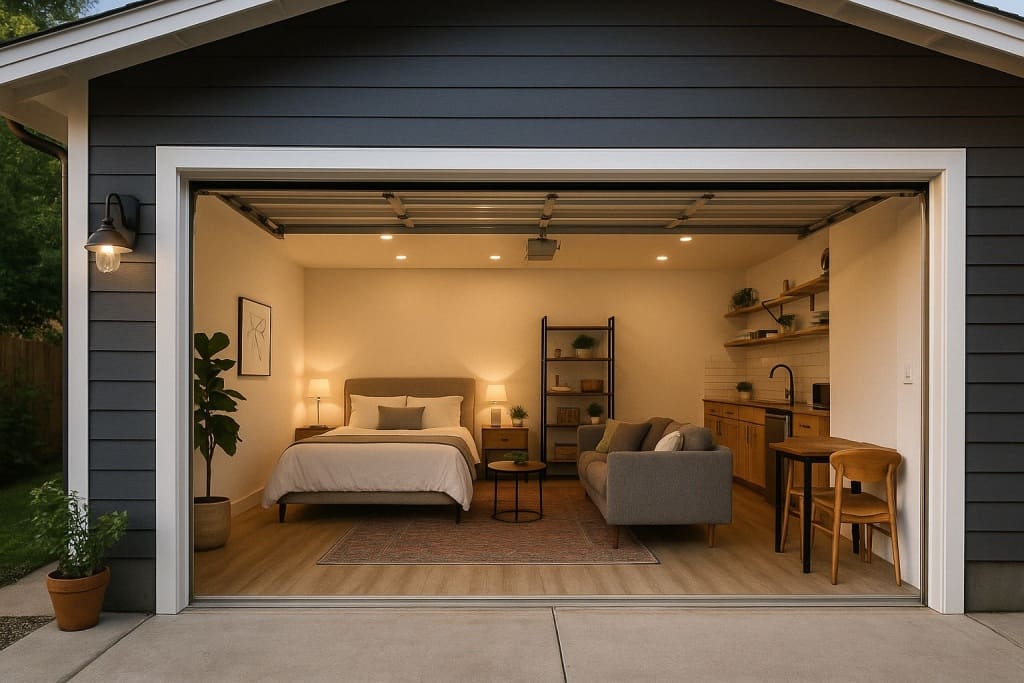
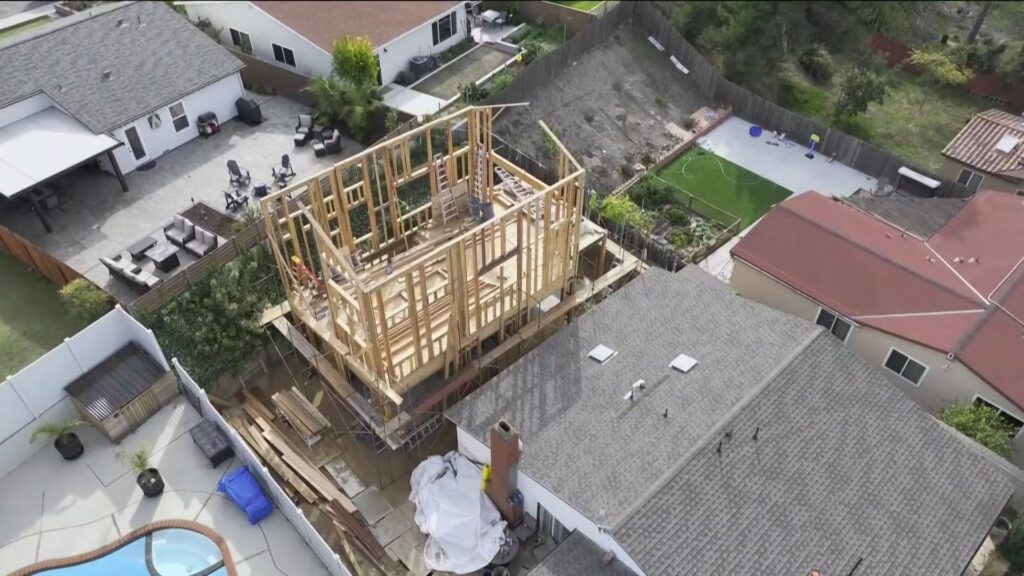
California’s housing market is tighter than ever — and that’s why California ADU laws are getting serious attention in 2026. Accessory Dwelling Units, often called granny flats or backyard homes, are now one of the most practical ways to add space and generate rental income, and recent state updates have made the process faster and more accessible than at any point in the past decade.
The California Department of Housing and Community Development confirms these changes aim to boost housing supply statewide. But knowing which laws apply to your property — and which financial traps to avoid — is what separates a smooth project from an expensive one.
For vetted ADU contractors and specialists in your market, FindADUPros is a free resource worth using early in the process.
California ADU Laws 2026: The State Housing Mandates Decoded
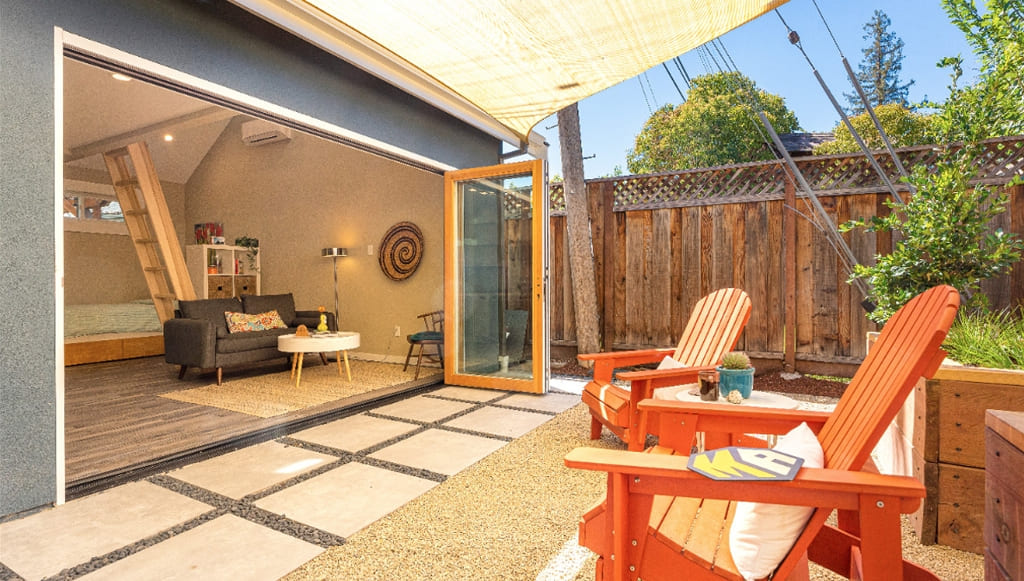
In 2026, California ADU regulations are more homeowner-friendly than ever. The key updates driving that shift:
- Faster approvals — the 60-day rule: Cities must approve or deny ADU applications within 60 days. Agencies that miss this deadline without a valid correction notice face legal remedies from homeowners.
- Fewer zoning restrictions: Local governments can’t impose rules that block compliant ADU construction. More properties qualify than under any prior framework.
- No parking requirements: Parking is generally not required if the property is near transit, involves an existing structure conversion, or sits within a historic district.
- Permanent elimination of owner-occupancy: This is the most important update that legacy articles still get wrong. California permanently banned owner-occupancy requirements for all standard ADUs. Investors can buy a single-family property and rent both the primary house and the ADU to separate tenants simultaneously — no residency obligation on either unit.
Understanding the Framework: Single-Family vs. Multifamily ADU Rules
How Many ADUs Can You Build in California?
Under current California ADU regulations, single-family homeowners can typically build at least one full ADU and one Junior ADU (JADU) — two units minimum. Under the state’s broader housing density frameworks and local urban lot split rules (such as SB 9), some lots qualify for up to four total units: one attached ADU, one JADU, and two detached ADUs.
SB 1211 Multifamily Expansion: A Game-Changer for Investors
For owners of multifamily properties — duplexes, triplexes, small apartment buildings — SB 1211 (effective January 1, 2025) allows up to eight detached ADUs on a multifamily lot by right, completely bypassing local density caps. For investors in neighborhoods like North San Jose, Blossom Valley, or Eastside Los Angeles, this creates a genuine path to multiplying rental income on land already owned.
The 750 Square Foot Threshold: Bypassing Local Impact Fees
While California zoning guidelines generally protect the right to build an ADU up to 800 sq ft by default, crossing this line exposes homeowners to a critical financial trap. The 750 sq ft mark is where local development impact fees — school, park, and transit charges — kick in, adding $10,000–$25,000 in many jurisdictions.
Keeping your layout at 749 sq ft or less exempts you entirely under current state law. It’s one of the most financially consequential design decisions you’ll make.
AB 1033: Can You Sell Your California ADU as a Condominium?
AB 1033 allows cities that opt in to permit homeowners to sell their ADU separately from the primary home as a condominium. Where it applies, this converts a backyard unit into a major equity asset — potentially generating $300,000–$500,000 in liquidity in high-appreciation markets like San Jose or Los Angeles without selling the primary home. Check your city’s planning portal to confirm whether AB 1033 is active in your jurisdiction.
Real 2026 Construction Costs: Garage Conversions vs. Detached Units
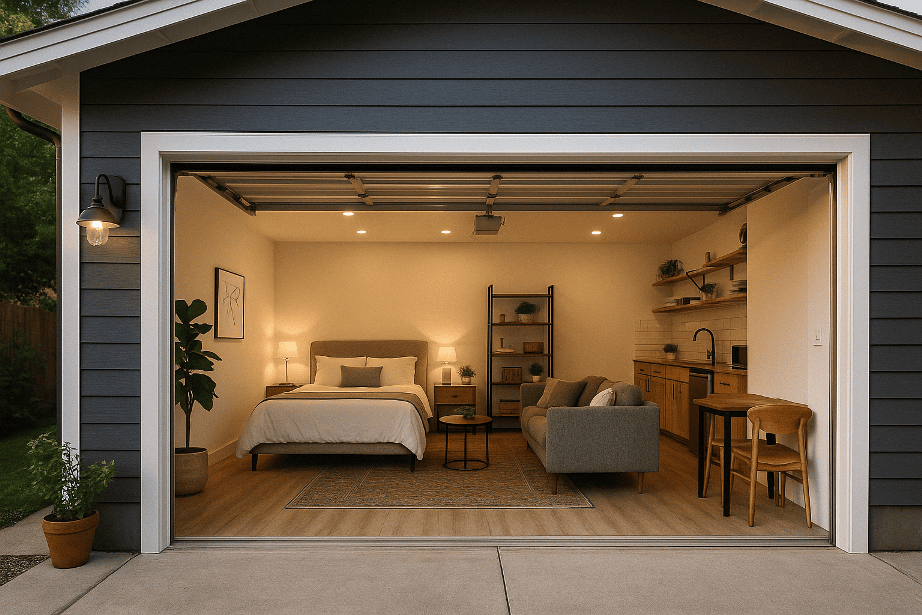
The upfront investment varies widely depending on ADU type, size, and location.
ADU Classification & Cost Matrix
| ADU Type | Average 2026 California Cost | Max Allowable Size | Setbacks |
|---|---|---|---|
| Junior ADU (JADU) | $60,000–$120,000 | 500 sq ft (inside existing structure) | 0 ft (existing footprint) |
| Garage Conversion | $100,000–$180,000 | Existing footprint + up to 150 sq ft for ingress/egress only; additions beyond egress require 4 ft setbacks | 0 ft within existing footprint; 4 ft for any expansion beyond egress |
| Attached ADU | $150,000–$280,000+ | Up to 50% of the primary home | 4 ft rear and side |
| Detached ADU | $180,000–$350,000+ | State-protected minimum 800 sq ft; up to 1,200 sq ft | 4 ft rear and side |
2026 California ADU Cost Drivers Breakdown
- Unit Footprint Size: Larger builds cost more overall but less per sq ft — fixed costs like design fees and utility hookups spread across more space. A 400 sq ft studio often costs nearly as much per sq ft as a 700 sq ft one-bedroom.
- Structural Type: Detached units carry the highest premium due to new foundations and framing. Garage conversions shave off up to 40% of framing expenses but require structural reinforcement of the existing slab, roof diaphragm, and shear walls.
- Civil and Site Topography: Hillside terrain in areas like the Hollywood Hills or Oakland Hills requires retaining walls and deep piers — adding $30,000–$80,000 before framing starts.
- The Impact Fee Cliff: Staying at 749 sq ft or less completely waives development impact fees — a $10,000–$25,000 saving. Crossing into 750 sq ft triggers the full fee schedule with no partial exemption.
- Labor and Materials by Region: Bay Area and LA labor rates run 40–60% above Sacramento or Central Valley contractors for identical scope.
Navigating Mandatory Utility Upgrades: The 200-Amp Panel Problem
Utility connections are where California ADU budgets most commonly run over. A detached ADU requires a dedicated 100-amp subpanel — and if your primary home only has 100-amp main service, you’ll need a 200-amp upgrade. With Investor-Owned Utilities like PG&E, SCE, or SDG&E, scheduling that upgrade can add 8–16 weeks of delays and $5,000–$12,000 in costs. Start the utility service request before permits are issued, not after.
State-Protected Zoning Enforcements: Height, Setbacks, and the 60-Day Deadline
California has standardized key development parameters to simplify construction:
- Height: 16 feet minimum; up to 18–25 feet near major transit stops
- Setbacks: 4 feet from side and rear property lines for new detached units; conversions retain their existing footprint position
- Parking: Generally waived near transit, for conversions, and in historic districts
The Transit-Oriented Parking Exemption
Parking exemptions have meaningfully expanded the number of urban lots that can now support ADUs — particularly in cities where replacement parking was previously impossible on constrained lots.
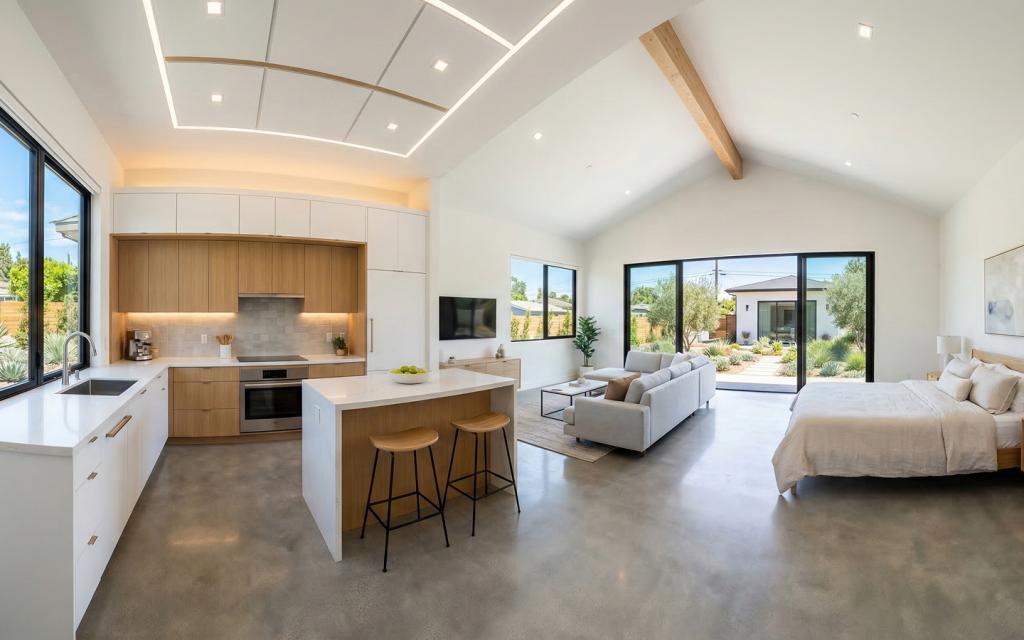
AB 2533 Amnesty Update: Legalizing Your Unpermitted Garage Conversion
This is the 2026 legislative update that most California ADU guides haven’t incorporated yet.
Under AB 2533, local jurisdictions cannot deny a permit to legalize an unpermitted ADU built before January 1, 2020, solely based on building code non-compliance — unless the structure poses an immediate health or safety hazard. Local code enforcement must also delay penalties for up to five years.
If a prior owner converted a garage without permits before 2020, you may be able to legalize it through a simplified remediation pathway rather than demolishing and rebuilding. California unpermitted ADU amnesty legalization typically costs $15,000–$50,000 — a fraction of new construction costs — and produces a fully permitted, rentable unit. Contact your local building division to assess eligibility before assuming you need to rebuild.
Permits and Approval: What to Expect in 2026
The permit process is more predictable today than it’s ever been. Most projects follow five steps:
- Property assessment — confirm eligibility; check zoning, flood zones, easements, and utility capacity
- Design and planning — site plan, architectural drawings, ADU type selection; pre-approved city plan sets can cut fees and timeline significantly
- Permit application — submit to the city or county; agencies cannot impose unreasonable restrictions under California ADU regulations
- 60-day approval clock — local authorities must approve or deny within 60 days, enforced by the California Department of Housing and Community Development
- Construction and inspections — foundation, framing, rough MEP, and final sign-off
From planning to move-in, most ADU projects take 6–12 months depending on type and site complexity.
California Backyard Site Planning Protocol
Before hiring an architect or wiring a deposit, check off these conditions:
- Main Panel Capacity: A 200-amp main upgrade is required if your home runs on 100-amp service. IOU utility scheduling adds 8–16 weeks and $5,000–$12,000
- Sewer Lateral Condition: Get a sewer scope camera inspection ($150–$300) before design is finalized — clay pipe on pre-1970s properties means a $10,000–$18,000 replacement
- Overhead Power Line Clearance: High-voltage lines require a 10-foot radial clearance zone from any habitable roofline — check before finalizing ADU placement
- The 749 Sq Ft Floor Plan Limit: Staying under 750 sq ft preserves the California ADU impact fee exemption — a $10,000–$25,000 saving in most cities
- AB 2533 Eligibility: If your property has an unpermitted conversion built before January 1, 2020, contact your local building division before assuming you need to demolish
Common Mistakes That Derail California ADU Projects
Even with simplified laws, these mistakes consistently cause delays and budget overruns:
- Ignoring local zoning details — state law overrides many restrictions, but height limits, design standards, and utility requirements still vary by city
- Underestimating total cost — permit fees, impact fees, utility upgrades, and design costs are separate from the construction contract
- Choosing the wrong ADU type — a garage conversion is often cheaper and faster to approve than new detached construction on the same budget
- Hiring unqualified contractors — always verify license status, bond, and past ADU-specific permit history before signing
- Not planning utilities early — electrical panel and sewer lateral assessments should happen before design, not during construction
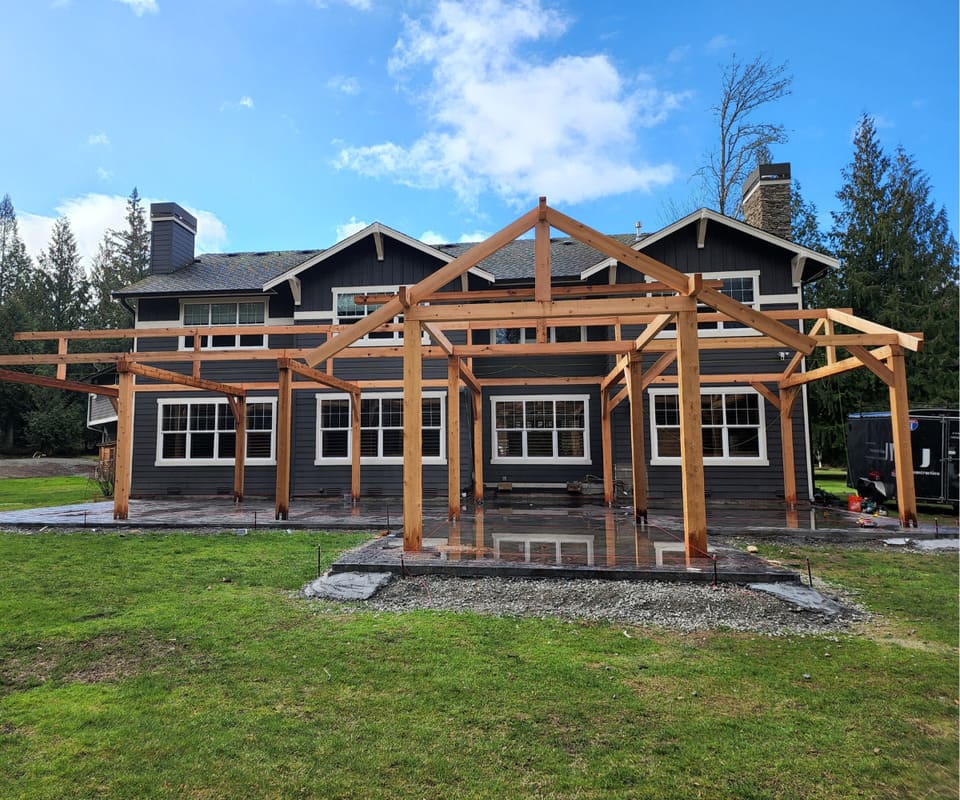
Should You Build an ADU in 2026?
California ADU laws have never been more favorable. AB 2533’s amnesty pathway, AB 1033’s condo sale option, SB 1211’s multifamily expansion, and the permanent elimination of owner-occupancy requirements together create an environment where homeowners and investors have more options and fewer barriers than at any prior point.
ADUs can generate $1,500–$4,000+ per month in rental income depending on location and size. A permitted unit typically adds approximately 100 times its monthly rent to the property’s appraised value. Whether your goal is income, multigenerational housing, or resale premium, the financial case in 2026 is compelling.
Visit FindADUPros to connect with vetted ADU contractors and design-build specialists who know your local jurisdiction.
Frequently Asked Questions
Can I build 2 ADUs in my backyard in California?
Most single-family homeowners can build at least one full ADU and one JADU — two units minimum. Under SB 9’s urban lot split provisions, some lots qualify for up to four units. Multifamily property owners may qualify for up to eight detached ADUs under SB 1211.
Do I have to pay impact fees on a California ADU under 750 sq ft?
No — ADUs under 750 sq ft are exempt from local development impact fees under California state law. Those fees add $10,000–$25,000 in many jurisdictions. Crossing the 750 sq ft threshold triggers the full fee schedule with no partial exemption.
Can I legalize an unpermitted ADU in California?
Yes — under AB 2533, local jurisdictions cannot deny legalization of an unpermitted ADU built before January 1, 2020, solely based on building code non-compliance unless it’s a health or safety hazard. Penalties are deferred up to five years. Legalization typically costs $15,000–$50,000, far less than rebuilding.
Is AB 1033 active in my city to sell an ADU as a condo?
Not in every city — AB 1033 requires municipalities to opt in. Where adopted, it allows homeowners to sell an ADU separately from the primary home as a condominium. Check your city’s planning portal to confirm whether AB 1033 is active in your jurisdiction.
Do I need to live on the property to rent out an ADU in California?
No. California permanently eliminated owner-occupancy requirements for all standard ADUs in 2020. Investors can rent both the primary home and the ADU to separate tenants with no residency obligation.