

Two contractors can bid your ADU within a few thousand dollars of each other and still leave you with completely different protection once the crew drives away. One hands you a single paragraph that says “we stand behind our work.” The other hands you a written document specifying exactly what’s covered, for how long, and exactly what happens if something fails. Price gets most of the attention during contractor comparisons, but an ADU contractor warranty is often the better differentiator, because it’s the thing that actually matters a year after move-in, when the low bidder may be nowhere to be found and the vague promise turns out to mean nothing in writing.
This guide walks through what a strong, specific ADU contractor warranty should actually contain, the questions worth asking before you sign anything, and the exclusions and red flags that separate a real warranty from a sales pitch.
Why ADU Contractor Warranty Language Deserves Comparison Before Price
A low bid looks appealing until you factor in what happens after completion. If a contractor’s warranty terms are vague, verbal, or missing from the signed contract entirely, that low number stops being a clear win, because post-completion accountability is where the real cost of a bad decision tends to show up.
Think of it this way: the bid tells you what the ADU costs to build. The warranty tells you who’s responsible if it’s built wrong. Comparing two contractors on price alone while treating warranty terms as an afterthought is backwards, since the warranty is often the more expensive problem if it fails you.
Warranty Types You May Encounter
Several distinct kinds of coverage show up in ADU construction, and they don’t all come from the same source or cover the same things.
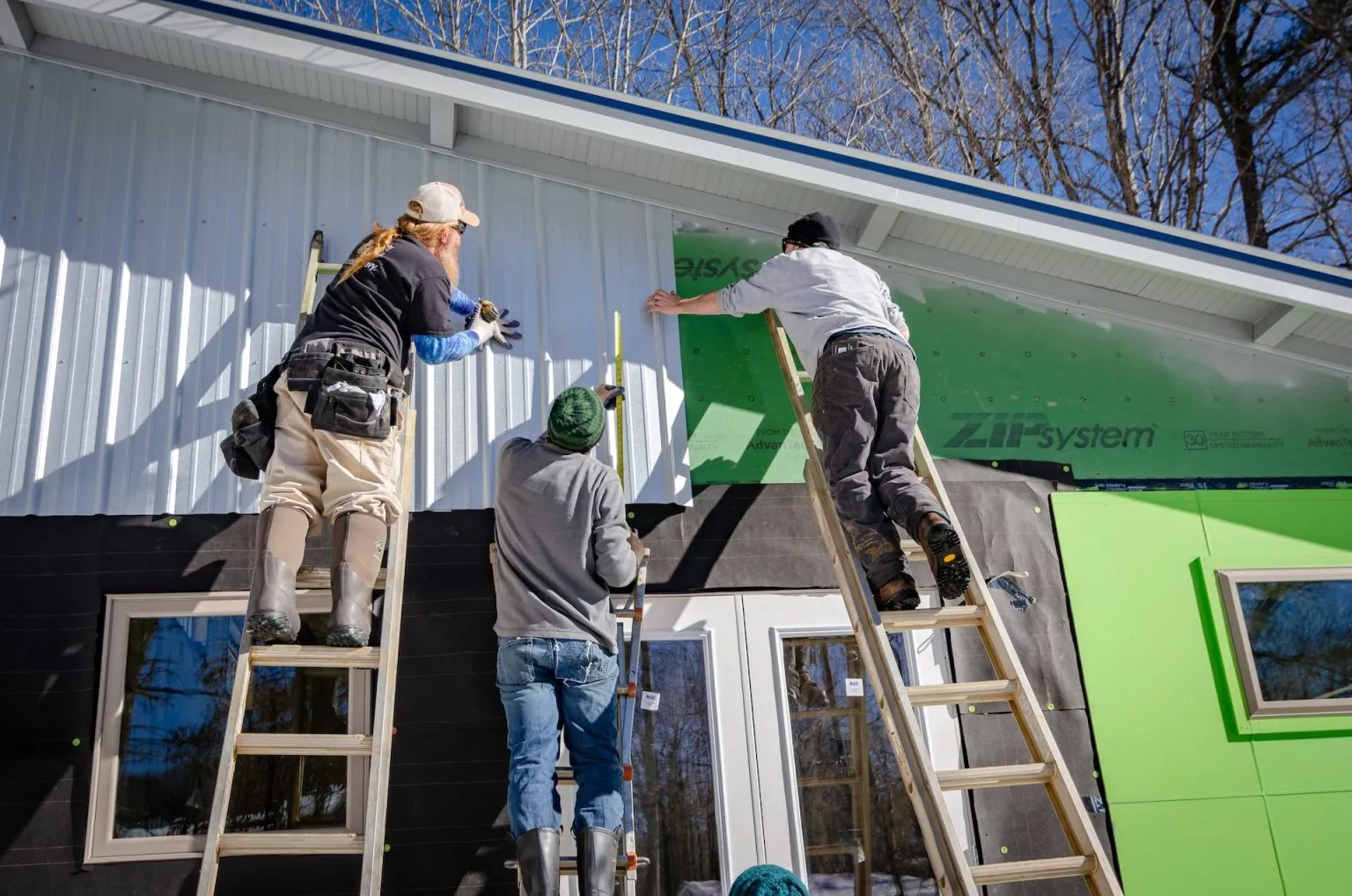
ADU Contractor workmanship warranty is the coverage your general contractor personally stands behind, covering installation quality and construction defects, things like a door that won’t close properly, a poorly sealed window, or drywall cracking along a seam that wasn’t finished correctly. Industry-wide, this coverage commonly runs one to two years for a custom residential project, though an ADU builder’s specific term should be spelled out rather than assumed.
Manufacturer product warranties cover the actual products installed, your water heater, HVAC unit, windows, and appliances, and these come directly from the manufacturer rather than your contractor. These warranties are frequently longer than the contractor’s own workmanship coverage, but they usually only cover the product itself, not the labor to diagnose or reinstall it, which is a distinction that trips people up during a claim.
Structural and statutory protections vary significantly by state. Production home builders commonly offer a 1-2-10 structure, one year for workmanship, two years for major systems, and ten years for structural defects, often backed by a third-party warranty company. Custom ADU builders rarely offer anything this formalized, since the 1-2-10 model is really an industry standard built around production home building rather than smaller custom accessory projects. That said, many states recognize an implied warranty of habitability or similar statutory protection in new residential construction, meaning certain minimum obligations exist even if your contractor’s written warranty doesn’t explicitly spell them out. These protections differ enough by state that confirming your specific jurisdiction’s rules, or speaking with a local construction attorney about a dispute, matters more here than almost anywhere else in this guide.
Service-call commitments are a separate, more practical layer: how quickly will the contractor actually respond if you report a problem, and what’s the process for getting someone back on site. A warranty with generous coverage terms but no defined response commitment can still leave you waiting months for an actual repair.
Ten Questions to Ask Every ADU Builder
Before you sign a contract, get clear answers to each of these, and pay attention to how directly an ADU contractor answers rather than just whether they say yes.
- Is the warranty terms written into the signed contract itself, not just mentioned verbally or printed on a separate marketing sheet?
- How long does the workmanship warranty last, and does that term start at substantial completion or at final inspection sign-off?
- What specific components and systems are covered, and is there a written list rather than a general statement?
- Who handles subcontractor defects, electrical, plumbing, HVAC, if the issue originates with a sub rather than the general contractor’s own crew?
- What’s explicitly excluded from coverage, and can I see that list before signing?
- What’s the process for reporting a defect, and is there a specific contact person or claims procedure?
- What’s the expected response time once a covered issue is reported?
- Is the warranty transferable if I sell the property within the coverage period?
- Does the warranty apply to manufacturer-supplied products, or only to the contractor’s own installation work?
- What happens if the contractor goes out of business during the warranty period, is there any third-party backing or is it entirely dependent on the company staying operational?
That last question matters more than it might seem. An ADU warranty is only as good as the company standing behind it, and a contractor who’s been in business for two years carries different risk than one with a decade of local track record.
What a Strong Written Warranty Should Contain
A genuinely useful warranty document, not a marketing promise, should include each of the following elements clearly spelled out:
- Covered components, listed specifically rather than described in general terms
- The exact term length for each category of coverage, since workmanship, systems, and structural items often carry different durations
- A clear exclusions list, so you know what’s not covered before a problem arises, not after
- The notification method, how and to whom you report a defect
- The repair standard, what level of fix the contractor commits to, repair versus replacement, and material quality expectations
- A stated response time commitment, even an approximate one
- A dispute procedure, outlining what happens if you and the contractor disagree about whether something is covered
If a document you’re handed is missing several of these elements, that’s worth raising directly with the contractor before you sign, not something to simply assume will work itself out later.
Common Exclusions Worth Understanding
Every legitimate warranty has exclusions, and understanding them upfront prevents a frustrating surprise later.
Normal wear and tear isn’t covered under a workmanship warranty, since it reflects the passage of time rather than a construction defect. A worn doorknob or faded paint years into ownership isn’t the same thing as a door that was improperly hung from day one.
Owner modifications made after completion typically void coverage for the affected area, since the contractor can’t be held responsible for work they didn’t perform or inspect.
Lack of maintenance is a common and reasonable exclusion. If a warranty requires annual HVAC servicing and that servicing never happens, a resulting system failure may fall outside coverage.
Weather events and acts of nature generally aren’t covered by a workmanship warranty, since that’s the kind of risk homeowners insurance exists to address instead.
Manufacturer-only claims apply when an issue is traced specifically to a defective product rather than its installation, in which case the manufacturer’s own warranty process applies rather than your contractor’s workmanship coverage.
Unapproved changes to the original scope, work done by a different contractor after the ADU was completed, almost universally void the warranty for whatever area was altered.
Comparing Two Warranties Side by Side
When you’re down to two or three contractor finalists, a simple scoring approach makes the comparison concrete rather than relying on a gut feeling about who “seemed more trustworthy.”
For each contractor, note: whether the warranty is in the signed contract or a separate document, the specific term length for workmanship and systems coverage, whether subcontractor work is explicitly included, the completeness of the exclusions list, whether a response time commitment is stated, and whether the warranty is transferable if you sell.
A contractor who scores well across most of these categories, even with a slightly higher bid, is often the better value once you account for what happens if something needs to be fixed eighteen months after move-in. This is exactly the kind of comparison worth running before you commit, and verifying that any contractor you’re considering is properly licensed, through our contractor license lookup tool, is a good companion step to a warranty comparison rather than a separate, unrelated check.
What to Document at Your Final Walkthrough
Your warranty coverage is only as useful as your ability to prove when and how an issue started, which makes the final walkthrough more important than most homeowners realize.
Create a punch list of every item that needs correction before you sign off, and get it in writing with a timeline for completion. Take dated photos of every room and system, finished walls, installed fixtures, visible HVAC and electrical panel labeling, so you have a documented baseline to compare against if something changes later.
Collect manuals and documentation for every installed appliance and system, along with serial numbers, since you’ll need these for any manufacturer warranty claim down the line. And get direct warranty contact information in writing, a name, phone number, and email specifically for warranty claims, rather than relying on whoever happens to answer the office’s general line two years from now.

Red Flags That Should Make You Pause
A few patterns are worth taking seriously if you encounter them during contractor comparisons.
“We stand behind our work” with nothing in writing is the single most common red flag in this entire process. A verbal assurance, however sincere, provides no actual recourse if a dispute arises later.
No clear answer on subcontractor responsibility is a real problem, since a meaningful share of ADU defects originate with electrical, plumbing, or HVAC subs rather than the general contractor’s own crew directly.
A warranty that technically starts before the work is actually complete quietly shortens your real coverage window without you necessarily noticing at signing.
Reluctance to put warranty terms directly into the signed contract, insisting instead on a separate, unsigned sheet, is worth treating as a serious concern rather than a minor formality.
Compare Warranty Terms Before You Choose a Builder
A thoughtful ADU contractor warranty comparison takes an extra hour of your time before signing and can save months of frustration if something needs attention after move-in. Ask the ten questions directly, get every term in writing inside the actual contract, and don’t let a lower bid distract from vague or missing warranty language.
If you’re still comparing contractors, running your project numbers through our ADU cost calculator alongside a warranty comparison helps you see the full picture rather than price alone, and our contractor license lookup tool is worth checking for every builder on your shortlist before you request final quotes.