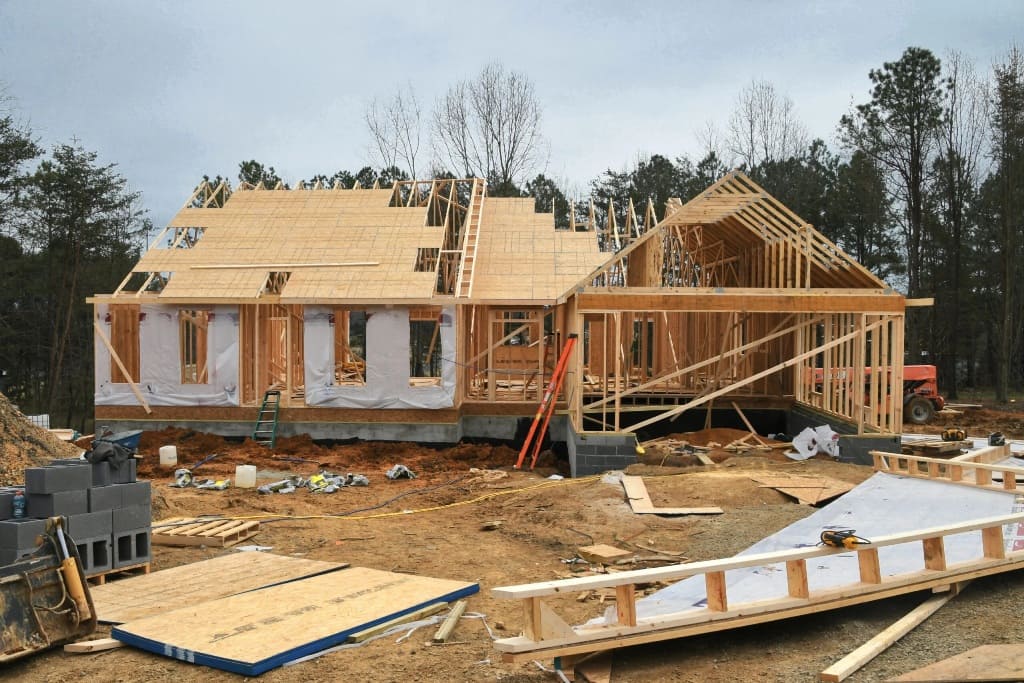

Building an ADU is a major investment, which makes ADU contractor license verification one of the most important steps before signing any contract. With the rise of ADU construction across the U.S., many homeowners are unknowingly hiring contractors with expired licenses, missing insurance, or little experience handling ADU permits and code requirements.
According to the California Contractors State License Board (CSLB), failing to verify contractor credentials can lead to failed inspections, legal disputes, and expensive repairs. That’s why learning how to check a contractor license for ADU projects goes far beyond a quick online search.
In this guide, we’ll discuss how to verify ADU contractor credentials, spot common warning signs, and confidently hire a licensed ADU contractor near me without risking your investment.
Why ADU Contractor License Verification Matters More Than Ever
As ADU construction continues to grow across the U.S., more inexperienced and unlicensed contractors are entering the market. That makes ADU contractor license verification a critical step before hiring any builder.
Unlike simple home renovations, ADU projects involve permits, zoning laws, structural work, plumbing, electrical systems, and multiple inspections. Hiring the wrong contractor can lead to:
- failed inspections,
- permit delays,
- poor construction quality,
- insurance problems,
- and expensive legal disputes.
According to the California Contractors State License Board, homeowners who hire unlicensed contractors may face serious financial and liability risks.
Another issue is that not every licensed contractor has ADU experience. Many lack knowledge of local setback rules, utility connections, and permit requirements. That’s why it’s important to verify ADU contractor credentials, not just confirm a license is active.
A trustworthy contractor should have:
- valid licensing,
- insurance and bonding,
- recent ADU project experience,
- and a clean complaint history.
Spending a few minutes verifying these details can prevent major problems later in the project.

How to Check a Contractor License for ADU Projects
Many homeowners assume a contractor is legitimate because they have a website, business card, or online reviews. But proper ADU contractor license verification requires a deeper check before any contract is signed.
Here’s how to check a contractor license for ADU projects the right way.
Ask for the Contractor’s License Number
A legitimate contractor should provide their license number immediately. If they hesitate, avoid the question, or refuse to share it, consider that a major warning sign.
You should also confirm that:
- the business name matches the license,
- the address is legitimate,
- and the contractor’s name matches official records.
Use Your State License Board Website
Most states allow homeowners to search contractor records online. In California, you can use the CSLB License Check Tool to verify:
- license status,
- business details,
- workers’ compensation coverage,
- bond information,
- and disciplinary history.
Search using:
- license number,
- business name,
- or contractor name.
Confirm the License Is Active and in Good Standing
An “active” license alone isn’t enough. You should also look for:
- suspensions,
- expired insurance,
- unresolved violations,
- or past disciplinary actions.
If the contractor has multiple complaints or citations, that could indicate recurring problems.
Verify ADU Experience and License Classification
Not every contractor specializes in ADUs. Ask how many ADU projects they’ve completed recently and request references or permit examples.
For most ADU builds, contractors typically need a General Building Contractor license or equivalent classification, depending on the state.
Check Insurance and Bonding
Before hiring a licensed ADU contractor near me, confirm they carry:
- general liability insurance,
- workers’ compensation coverage,
- and active contractor bonds.
Without proper insurance, homeowners may become financially responsible for injuries or property damage during construction.

7 Red Flags Homeowners Miss During ADU Contractor License Verification
Even after checking a contractor’s license, many homeowners still overlook warning signs that can lead to costly construction problems later.
Here are seven major red flags to watch for during ADU contractor license verification.
1. The Business Name Doesn’t Match the License
Some contractors operate under a different business name than the one listed on their license. Others may use another company’s license entirely.
Always confirm that:
- the company name,
- license number,
- and contract details
match official state records exactly.
2. The Contractor Avoids Pulling Permits
A reliable ADU contractor should handle permits directly. If a contractor asks you to pull permits as an “owner-builder,” it may be an attempt to avoid liability or licensing requirements.
This can leave homeowners legally responsible for code violations and failed inspections.
3. Extremely Low Bids Compared to Others
A bid that seems much cheaper than competitors often signals hidden problems, such as:
- unlicensed subcontractors,
- low-quality materials,
- missing insurance,
- or surprise costs later in the project.
In ADU construction, unusually low pricing is rarely a good sign.
4. Expired Insurance or Missing Bond Information
Some contractors maintain an active license while allowing insurance or bonding coverage to expire. That creates serious financial risks if accidents or property damage occur during construction.
This is why homeowners should verify ADU contractor credentials beyond just license status.
5. Poor Reviews or No ADU Portfolio
Before hiring a licensed ADU contractor near me, review:
- Google ratings,
- recent customer feedback,
- permit history,
- and completed ADU projects.
A contractor with no documented ADU experience may struggle with zoning laws and inspections.
6. Large Upfront Payment Requests
Be cautious if a contractor demands a large deposit before work begins. Excessive upfront payments are one of the most common warning signs in contractor scams.
Always review your state’s legal deposit limits before signing a contract.
7. High-Pressure Sales Tactics
Professional contractors usually allow homeowners time to review contracts and compare estimates. Be cautious if someone:
- pushes for immediate decisions,
- offers “today only” pricing,
- or refuses to provide written estimates.
Rushed decisions often lead to expensive mistakes later.
How to Verify ADU Contractor Credentials Beyond the License
A valid license is important, but it should never be the only factor you check before hiring a contractor. To fully verify ADU contractor credentials, homeowners should look at a contractor’s experience, insurance coverage, and professional track record.
Start by confirming the contractor carries:
- general liability insurance,
- workers’ compensation coverage,
- and active bonding.
You can request proof directly from the contractor or verify details through your state licensing board. The CSLB also provides insurance and bond information for California contractors.
Next, review the contractor’s recent ADU projects. Ask for:
- project photos,
- permit records,
- client references,
- and completed job addresses if possible.
Experienced ADU builders should understand:
- local zoning laws,
- setback requirements,
- utility connections,
- and inspection procedures.
It’s also smart to check:
- Google reviews,
- Better Business Bureau profiles,
- and local permit databases.
Consistent complaints about delays, communication issues, or unfinished work can indicate larger problems.
Before signing any agreement, make sure the contractor provides a detailed written contract that clearly outlines:
- project scope,
- payment schedule,
- timeline,
- warranties,
- and permit responsibilities.
Taking these extra steps during ADU contractor license verification can help homeowners avoid unreliable contractors and protect their investment long-term.
Questions to Ask Before Hiring an ADU Contractor
Before signing any contract, ask a few key questions to further verify ADU contractor credentials and experience.
Important questions include:
- How many ADU projects have you completed?
- Who handles permits and inspections?
- Are your subcontractors licensed and insured?
- Can you provide recent client references?
- Do you offer written warranties?
- Will I receive a detailed written contract?
A reliable contractor should answer clearly and provide documentation when requested. Vague answers or pressure to sign quickly are often warning signs homeowners should not ignore.
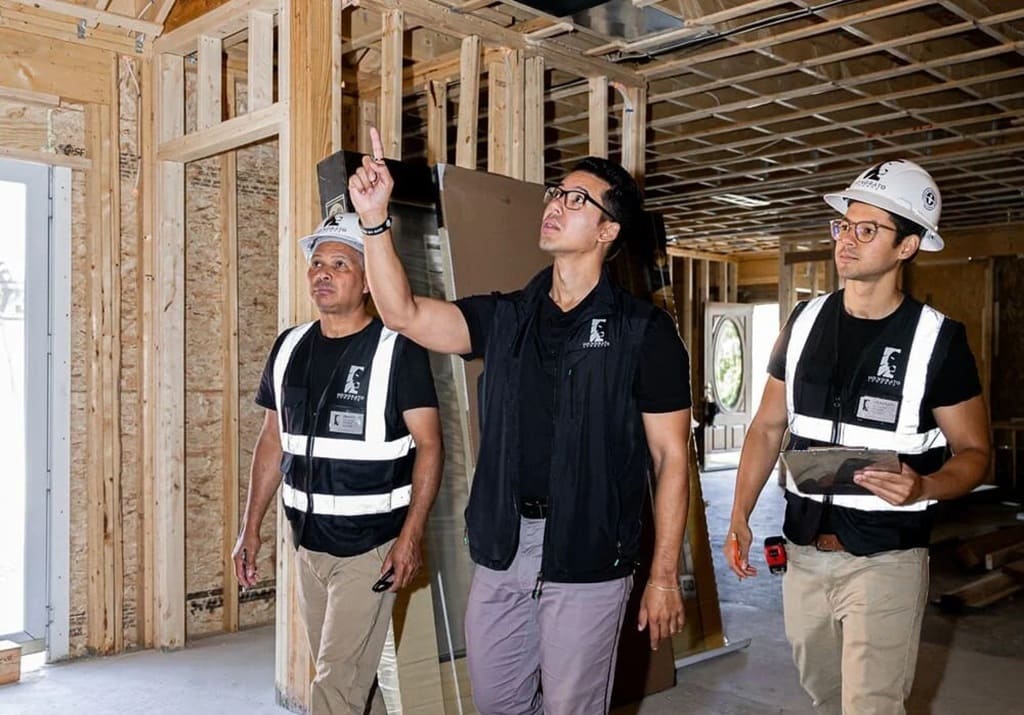
Questions to Ask Before Hiring an ADU Contractor
Before signing a contract, ask a few key questions to verify the contractor’s experience and professionalism. This helps support your ADU contractor license verification process and reduces the risk of costly mistakes later.
Ask questions like:
- How many ADU projects have you completed recently?
- Can you provide references from past ADU clients?
- Who handles permits and inspections?
- Are your subcontractors licensed and insured?
- What is the estimated project timeline?
- Do you provide a detailed written contract?
Experienced ADU contractors should answer these confidently and provide documentation when requested. If a contractor avoids clear answers or pressures you to sign quickly, treat it as a warning sign.
For a deeper checklist, homeowners can also review this detailed ADU contractor hiring guide.
What Happens If You Hire an Unlicensed ADU Contractor?
Hiring an unlicensed contractor may seem like a way to save money upfront, but it often creates much bigger expenses later. Poor workmanship, failed inspections, and unfinished projects are some of the most common issues homeowners face.
Without proper ADU contractor license verification, you could also become financially responsible for:
- property damage,
- worker injuries,
- code violations,
- and permit penalties.
In many states, unlicensed contractors cannot legally pull permits for large residential construction projects. That can delay inspections, affect refinancing opportunities, and even create problems when selling the property later.
According to the California Contractors State License Board, homeowners who hire unlicensed contractors may have limited legal protection if disputes arise.
Beyond the financial risks, unlicensed contractors often lack experience with:
- ADU zoning laws,
- utility connections,
- structural requirements,
- and local building codes.
Fixing those mistakes after construction can cost far more than hiring a qualified contractor from the beginning.
Final Checklist Before Signing an ADU Contract
Before hiring a contractor, take a few final steps to complete your ADU contractor license verification process and reduce the risk of future disputes.
Make sure you have verified:
- active contractor license,
- insurance and bonding,
- recent ADU project experience,
- permit responsibilities,
- written project timeline,
- detailed payment schedule,
- subcontractor licensing,
- and customer references.
You should also carefully review the written contract before signing. It should clearly explain:
- project scope,
- materials,
- estimated completion dates,
- warranty terms,
- and change order policies.
A reliable contractor will be transparent, organized, and willing to provide documentation without hesitation. Spending extra time reviewing these details can help prevent delays, legal issues, and unexpected costs later in the project.
Conclusion
As ADU demand continues to grow, homeowners need to be more careful than ever when hiring a contractor. A quick online search is not enough. Proper ADU contractor license verification involves checking licensing, insurance, bonding, permit history, and real ADU experience before signing any agreement.
Taking the time to verify ADU contractor credentials can help you avoid failed inspections, construction delays, legal disputes, and expensive repairs later. It also gives you more confidence when choosing a licensed ADU contractor near me for a project that may cost hundreds of thousands of dollars.
In most cases, a few extra minutes of research upfront can save months of stress and thousands in unexpected costs during construction.