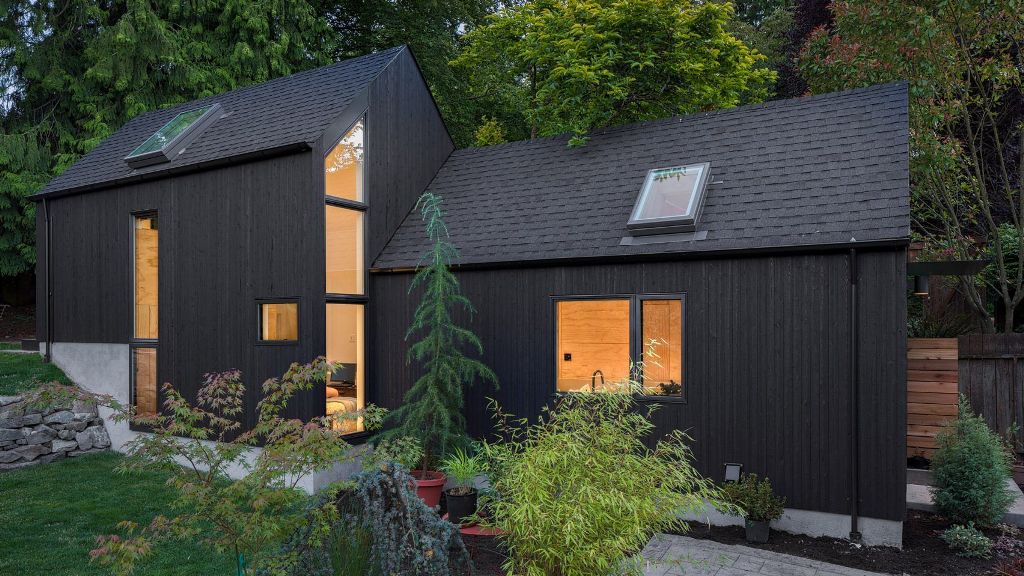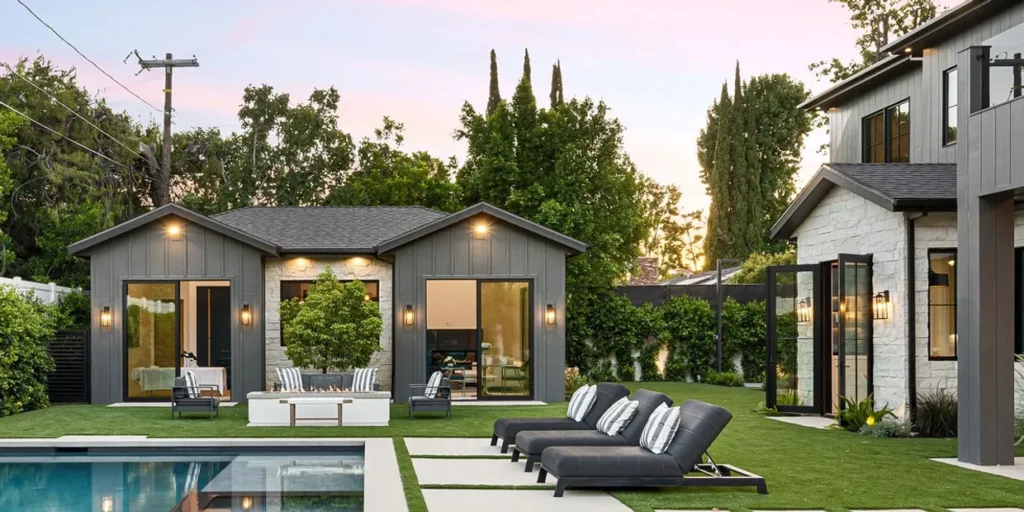
Building an ADU in Los Angeles has become one of the smartest ways for homeowners to generate rental income, increase property value, and create a flexible living space in 2026.
With housing costs continuing to rise, ADUs are no longer just backyard guest houses. Many Los Angeles homeowners now use them for passive income, multigenerational living, home offices, or long-term investment opportunities.
At the same time, navigating Los Angeles ADU regulations, permit approvals, and construction costs can quickly become overwhelming. Recent updates from the Los Angeles Department of Building and Safety and the California Department of Housing and Community Development have made the ADU permit process in Los Angeles more accessible, but careful planning is still essential.
This guide explains everything homeowners need to know about building an ADU in Los Angeles in 2026, including costs, permits, timelines, and ways to maximize ROI.
Why ADUs Are Booming in Los Angeles in 2026
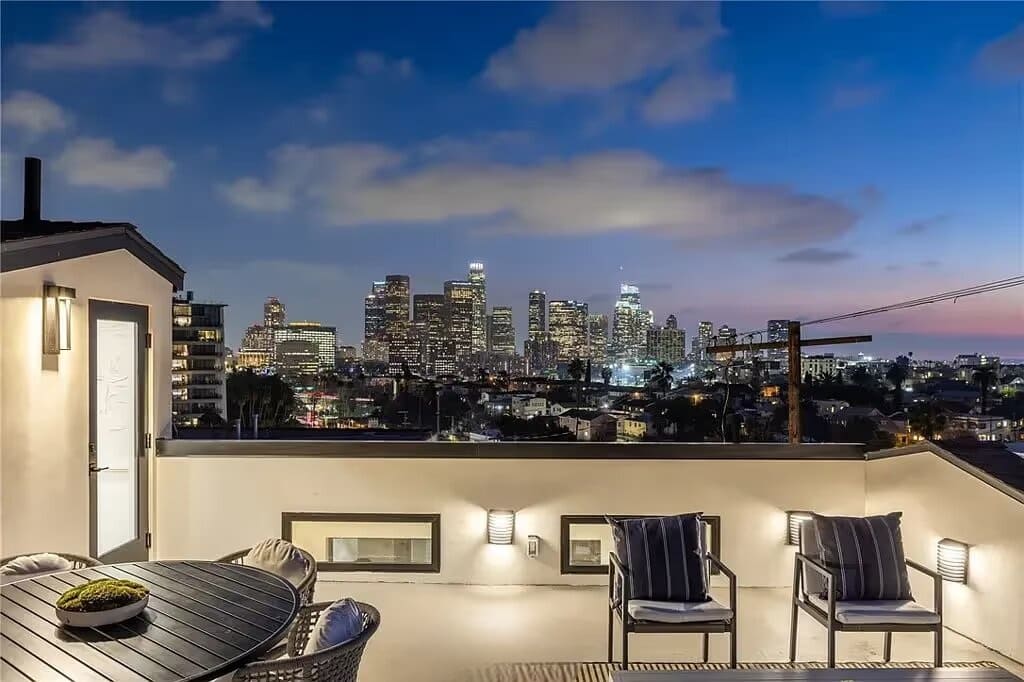
The demand for building an ADU in Los Angeles continues to grow rapidly in 2026 — and it’s not just because of California’s housing shortage. For many homeowners, ADUs have become a practical financial strategy in an increasingly expensive real estate market.
Higher mortgage rates and limited housing inventory have pushed more families toward multigenerational living arrangements. Instead of buying a second property, homeowners are investing in backyard units that can serve multiple purposes over time.
Rental income is another major driver. In many Los Angeles neighborhoods, a well-designed ADU can generate between $2,000 and $4,000 per month, depending on location, size, and amenities. This additional cash flow often helps offset rising property taxes, mortgage payments, and construction financing costs.
Recent changes to Los Angeles ADU regulations have also accelerated adoption. California laws now allow more flexibility for detached units, garage conversions, and multifamily properties, while reducing parking and setback restrictions in many residential zones. The updated California ADU Handbook outlines many of these statewide reforms.
Another reason ADUs are gaining popularity is long-term property appreciation. In competitive housing markets like Los Angeles, homes with legally permitted ADUs often attract stronger resale demand because buyers value the added income potential and flexibility.
Homeowners are also prioritizing adaptable living spaces more than ever. Many ADUs initially start as:
- Home offices
- Guest suites
- Creative studios
- Housing for family members
Later, they transition into long-term rental units as needs change.
This combination of income potential, flexibility, and rising property values is why the cost to build an ADU in Los Angeles continues to make sense for many homeowners despite higher construction expenses in 2026.
Los Angeles ADU Regulations in 2026
Before starting construction, understanding current Los Angeles ADU regulations is essential. While California has simplified many ADU laws in recent years, local zoning and permitting rules still play a major role in project approval.
In most residential zones, homeowners can now build:
- Detached ADUs
- Attached ADUs
- Garage conversion ADUs
- Junior ADUs (JADUs)
Size limits typically allow:
- Up to 800 sq. ft. with streamlined approval protections
- Larger units, depending on lot size and zoning
Many properties near public transit are also exempt from additional parking requirements, helping reduce overall construction costs.
Setback requirements have become more flexible as well. In many cases, side and rear setbacks can be as little as four feet for detached ADUs. However, height limits, lot coverage rules, and historic district regulations may still affect design plans.
The Los Angeles Department of Building and Safety provides updated zoning guidelines and permit requirements for homeowners planning an ADU project.
Because local regulations can vary by neighborhood, verifying zoning restrictions early can help avoid costly redesigns and permit delays later in the process.
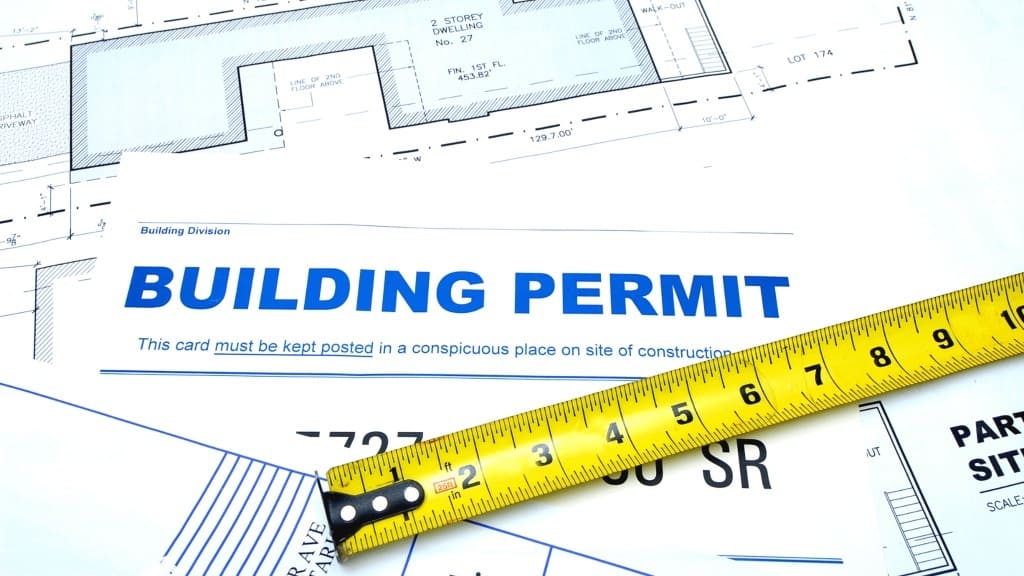
ADU Permit in Los Angeles: Step-by-Step Process
Getting an ADU permit in Los Angeles can take anywhere from a few months to over half a year, depending on the project scope, zoning review, and plan corrections.
The process usually starts with a property evaluation to confirm setback rules, lot coverage, utility access, and zoning eligibility. From there, homeowners typically work with an architect or design-build firm to prepare:
- Site plans
- Floor plans
- Structural drawings
- Energy compliance documents
Once submitted to the Los Angeles Department of Building and Safety, the plans go through zoning, structural, and safety reviews before permits are approved.
Garage conversions and smaller detached units often move through the process faster than fully custom ADUs. However, delays are still common due to:
- Incomplete plans
- Utility approvals
- Correction notices
- High permit volume
Most homeowners can expect:
| Phase | Estimated Timeline |
|---|---|
| Design & Planning | 1–2 months |
| Permit Approval | 2–5 months |
| Construction | 4–8 months |
Working with contractors familiar with Los Angeles ADU regulations can significantly reduce delays and unexpected revisions during permitting.
Cost to Build an ADU in Los Angeles in 2026
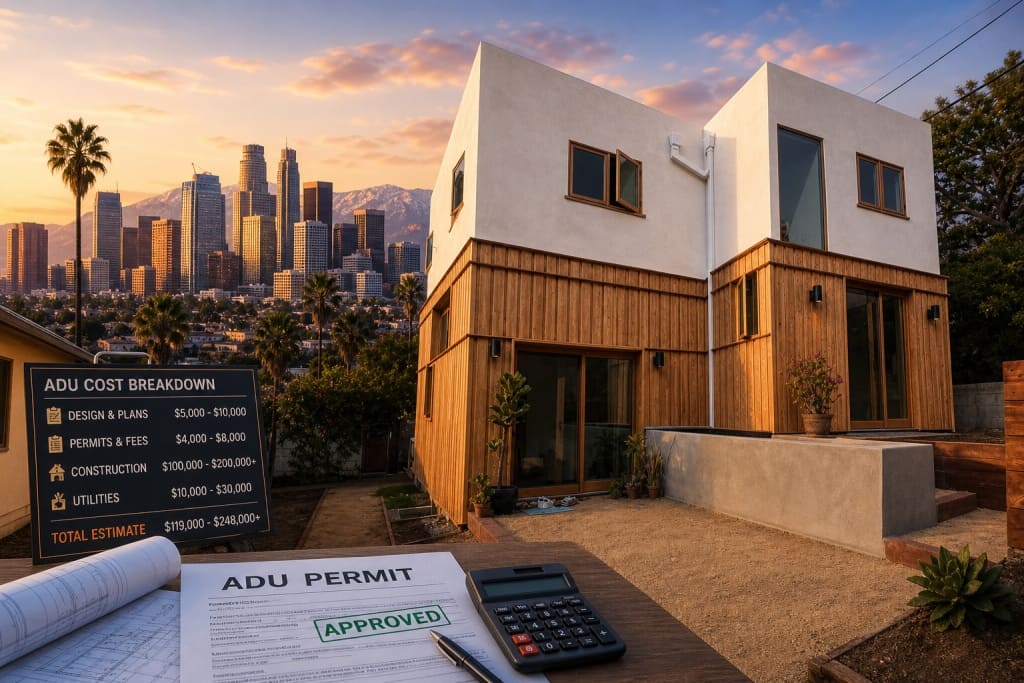
The cost to build an ADU in Los Angeles in 2026 varies widely based on size, design complexity, location, and construction type. Garage conversions are usually the most affordable, while detached custom ADUs require the highest investment.
Here’s a general cost breakdown:
| ADU Type | Average Cost |
|---|---|
| Garage Conversion | $80,000–$150,000 |
| Attached ADU | $120,000–$250,000 |
| Detached ADU | $180,000–$400,000+ |
Several factors influence final pricing, including:
- Permit and plan check fees
- Utility upgrades
- Foundation work
- Labor and material costs
- Custom finishes and layouts
Many homeowners also underestimate hidden expenses such as sewer connection fees, soil reports, and electrical panel upgrades.
On average, building an ADU in Los Angeles now costs between $300 and $600 per square foot, depending on the level of customization. Prefab ADUs and garage conversions can help reduce overall costs, especially for smaller properties.
The California ADU Grant Program may also help eligible homeowners offset pre-development expenses like permits, design, and site preparation.
Financing Options for Building an ADU in Los Angeles

Many homeowners finance their ADU project instead of paying the full construction cost upfront.
Common financing options include:
- HELOCs (Home Equity Lines of Credit)
- Cash-out refinancing
- Construction loans
- Renovation loans
HELOCs are especially popular because they allow homeowners to use existing home equity to fund construction gradually.
Some lenders may also factor projected rental income into loan approval, which can help increase borrowing capacity.
Homeowners should also explore programs from the California Housing Finance Agency, which may offer ADU-related grants or pre-development assistance.
Common Mistakes to Avoid When Building an ADU
One of the biggest mistakes homeowners make when building an ADU in Los Angeles is underestimating the total project cost. Beyond construction, expenses like permits, utility upgrades, and plan revisions can quickly increase the budget.
Another common issue is hiring contractors unfamiliar with Los Angeles ADU regulations, which often leads to permit delays and failed inspections.
Homeowners should also avoid:
- Skipping zoning verification
- Choosing overly complex designs
- Ignoring parking and utility requirements
- Underestimating construction timelines
Careful planning and working with experienced local professionals can help prevent costly delays and keep the project on schedule.
Is Building an ADU in Los Angeles Worth It?
For many homeowners, building an ADU in Los Angeles is a long-term investment that creates both immediate flexibility and future financial value.
A well-designed ADU can:
- Generate consistent rental income
- Increase overall property value
- Create housing for family members
- Add a flexible living or work space
In high-demand Los Angeles neighborhoods, rental income from an ADU can often offset mortgage payments or help recover construction costs over time.
As housing inventory remains limited across Southern California, properties with legally permitted ADUs continue attracting strong buyer interest, making them a valuable addition for both homeowners and real estate investors.
Final Thoughts
Building an ADU in Los Angeles in 2026 can be a smart way to increase property value, generate rental income, and create flexible living space in one of the country’s most competitive housing markets.
While navigating Los Angeles ADU regulations, permits, and construction costs requires careful planning, homeowners who approach the process strategically often see strong long-term returns.
From garage conversions to fully detached backyard units, understanding the real cost to build an ADU in Los Angeles — along with current zoning and financing options — can help homeowners avoid costly mistakes and maximize ROI.
As California continues encouraging higher housing density, ADUs are likely to remain one of the most practical and valuable residential investments for Los Angeles property owners in the years ahead.
Frequently Asked Questions
How much does an ADU permit cost in Los Angeles?
Permit costs typically range from $8,000 to $20,000, depending on the ADU size, zoning requirements, and utility connections.
How long does it take to build an ADU in Los Angeles?
Most ADU projects take around 6–12 months from planning and permitting to final construction.
Can I legally rent out my ADU in Los Angeles?
Yes. Most homeowners can legally rent ADUs for long-term housing, though short-term rental rules may vary by neighborhood.
Do ADUs increase property taxes?
Building an ADU may increase your property’s assessed value, but taxes are usually based only on the added improvement — not the entire property.
Are prefab ADUs allowed in Los Angeles?
Yes. Prefab ADUs are allowed if they meet local zoning, building, and safety requirements.
Is building an ADU in Los Angeles worth it?
For many homeowners, ADUs provide strong long-term value through rental income, increased property value, and flexible living space.