Seattle homeowners are increasingly turning to accessory dwelling units (ADUs) as a practical way to create rental income, add living space, and increase property value. With updated Seattle backyard cottage rules and relaxed zoning laws, building an ADU is now easier than it was just a few years ago.
Still, the Seattle ADU permit process can quickly become confusing without a clear understanding of local zoning, costs, and design restrictions.
This Seattle ADU Guide covers everything homeowners need to know in 2026, including updated Seattle ADU requirements, Seattle DADU regulations, permit timelines, and the real cost to build an ADU in Seattle.
According to the official Seattle Department of Construction & Inspections, ADUs remain a major part of Seattle’s long-term housing strategy.
Seattle ADU Requirements in 2026
Seattle has become far more ADU-friendly in recent years, but homeowners still need to understand the latest Seattle ADU requirements before starting a project. Zoning rules, lot size, setbacks, utility access, and height limits can all impact whether a backyard cottage gets approved.
According to the official Seattle ADU code updates page, several older restrictions have been relaxed to support higher-density housing across the city.
Zoning Rules Still Matter
Most ADU projects fall under Seattle’s Neighborhood Residential zoning regulations. These rules affect:
- Building height
- Setback distances
- Lot coverage
- Tree protection
- Maximum unit size
Corner lots and alley-access properties often offer more flexibility for detached backyard cottages, while sloped lots may require additional engineering work.
Owner Occupancy Rules Have Changed
One major update is the removal of owner occupancy requirements for many ADU projects. Homeowners now have more flexibility to:
- Rent out both units
- Create multigenerational housing
- Use ADUs for long-term rental income
This change has significantly increased demand for detached ADUs across Seattle neighborhoods.
Parking Requirements Are More Flexible
Older Seattle backyard cottage rules often required additional off-street parking. Today, many ADU projects no longer need extra parking spaces, especially near public transit corridors.
That makes it easier for homeowners to maximize usable yard space while simplifying the Seattle ADU permit process.
Height and Size Limits
Seattle DADU regulations still control detached unit height and size, but current rules are more flexible than they were a few years ago. Many properties can now support larger layouts, loft-style interiors, and more functional backyard cottages.
Homeowners can review the latest requirements through the official Seattle SDCI ADU resource center before beginning construction planning.
Seattle Backyard Cottage Rules Explained
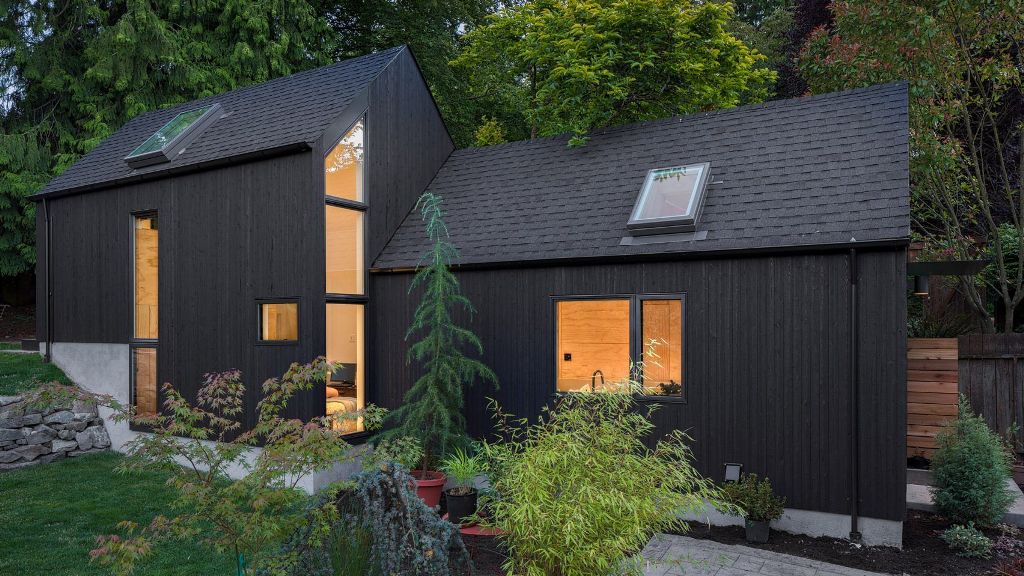
Detached ADUs — commonly called backyard cottages — are especially popular in Seattle because they offer more privacy, stronger rental potential, and better long-term flexibility than many attached conversions. But Seattle backyard cottage rules still come with important design and zoning limitations homeowners should understand early in the planning phase.
Size and Height Restrictions
Under current Seattle DADU regulations, detached units are generally allowed to be larger and taller than they were under older zoning rules. Many homeowners now build:
- One-bedroom backyard cottages
- Loft-style layouts
- Two-story detached ADUs
- Flexible live-work spaces
However, exact allowances still depend on lot size, zoning overlays, and site conditions.
Setbacks and Lot Placement
Where you place the backyard cottage matters almost as much as the design itself.
Seattle requires minimum setback distances from:
- Rear property lines
- Side yards
- Neighboring structures
Lots with alley access usually offer easier placement options and better privacy for detached ADUs. Tight urban lots may require more creative layouts to meet setback and fire access requirements.
Utility Connections Can Affect Costs
One area many homeowners underestimate is utility work.
Depending on the property, your ADU project may require:
- Sewer upgrades
- Electrical panel expansion
- New water connections
- Drainage improvements
These infrastructure costs can significantly impact the overall cost to build an ADU in Seattle, especially on older properties.
Tree Protection Rules Matter in Seattle
Seattle’s tree protection regulations have also become a major factor in backyard cottage development. In some cases, protected trees can limit where detached ADUs can be placed or increase permit review complexity.
Before finalizing plans, many homeowners consult professionals familiar with Seattle’s evolving zoning and environmental review process.
The official Seattle ADU development standards page provides updated guidance on setbacks, lot coverage, and detached unit regulations.
Cost to Build an ADU in Seattle (2026 Breakdown)
For most homeowners, the biggest question is simple: What is the real cost to build an ADU in Seattle?
The answer depends heavily on the type of unit, site conditions, permitting complexity, and construction quality. In 2026, Seattle remains one of the more expensive ADU markets in the country due to labor costs, permitting requirements, and high demand for skilled contractors.
Average Seattle ADU Construction Costs
While prices vary, most projects typically fall into these ranges:
- Attached ADU or basement conversion: lower overall cost
- Garage conversion: mid-range pricing depending on utilities
- Detached backyard cottage: highest overall investment
- Custom luxury DADU: premium pricing with architectural upgrades
Detached ADUs usually cost more because they require separate foundations, roofing, utility trenching, and site preparation.
Hidden Costs Many Homeowners Miss
Construction costs go beyond framing and finishes. Some of the most overlooked expenses include:
- Permit fees
- Architectural plans
- Drainage reviews
- Geotechnical studies
- Sewer upgrades
- Electrical panel replacements
- Site excavation
Sloped Seattle lots can increase costs quickly due to retaining walls, grading, and drainage engineering requirements.
What Impacts Pricing the Most?
Several factors heavily influence the final budget:
- Lot slope and accessibility
- Utility distance from the main house
- Custom vs prefab construction
- Tree protection requirements
- High-end interior finishes
- Permit review delays
Properties with alley access often reduce construction complications compared to tight urban lots with limited entry points.
Is Building an ADU Financially Worth It?
For many Seattle homeowners, the long-term numbers can make sense.
A well-designed backyard cottage can:
- Generate monthly rental income
- Increase overall property value
- Create flexible multigenerational housing
- Add resale appeal in competitive neighborhoods
That’s one reason Seattle ADU projects continue growing despite rising construction costs.
For updated permitting and development considerations, homeowners can review the official Seattle SDCI ADU guidance page before finalizing budgets.
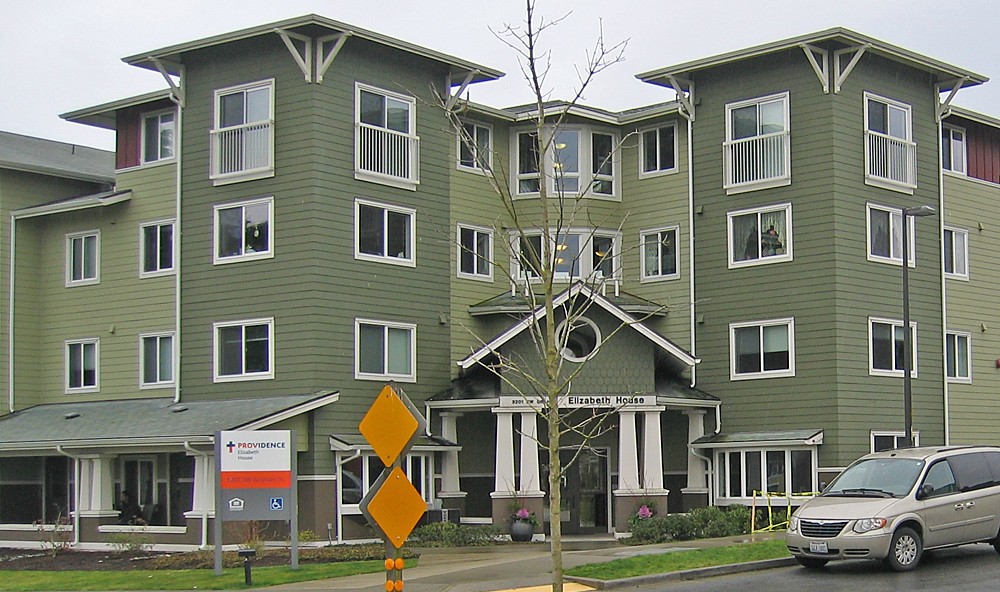
Seattle ADU Guide: Permit Process Step-by-Step
The Seattle ADU permit process has become more streamlined in recent years, but it still requires careful planning. Delays usually happen when homeowners underestimate zoning reviews, utility requirements, or site-specific regulations.
Starting with a clear roadmap can save both time and money.
1. Check Zoning and Property Eligibility
Before designing anything, confirm whether your property qualifies under current Seattle ADU requirements.
This includes reviewing:
- Lot dimensions
- Setback limitations
- Tree protection rules
- Height allowances
- Utility access
Seattle’s official zoning tools and permitting resources can help homeowners identify potential restrictions early.
2. Hire an ADU Designer or Architect
Experienced Seattle ADU professionals can often spot design or permitting issues before plans are submitted.
This step is especially important for:
- Sloped lots
- Detached backyard cottages
- Alley-access properties
- Narrow urban parcels
Working with local experts familiar with Seattle DADU regulations can significantly reduce revision requests during permit review.
3. Prepare Construction and Site Plans
Most ADU permit applications require:
- Site plans
- Floor plans
- Structural drawings
- Drainage details
- Utility layouts
Incomplete documentation is one of the biggest reasons projects get delayed.
4. Submit Permit Applications
Once plans are finalized, applications are submitted through Seattle’s permitting system for review.
Depending on project complexity, reviews may involve:
- Structural review
- Land use review
- Drainage review
- Utility coordination
Permit timelines vary, but detached ADUs generally take longer than simple attached conversions.
5. Inspections and Final Approval
After construction begins, the city performs inspections at multiple stages to verify compliance with Seattle backyard cottage rules and building codes.
These inspections typically cover:
- Foundation work
- Framing
- Electrical systems
- Plumbing
- Final occupancy approval
Homeowners can review updated permitting information through the official Seattle Department of Construction & Inspections ADU portal before starting the application process.
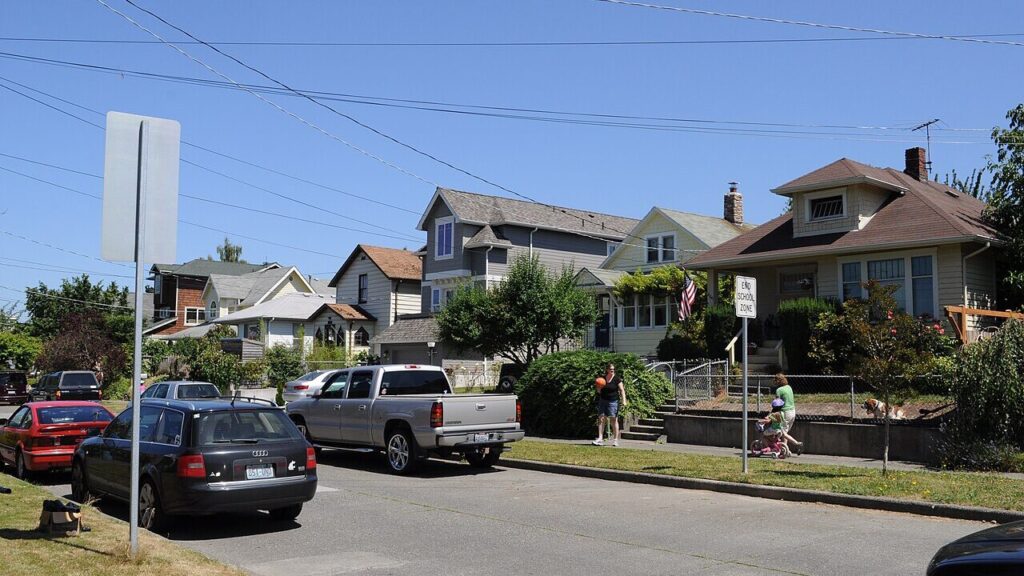
Biggest Seattle ADU Mistakes Homeowners Make
Even well-planned ADU projects can run into problems when homeowners underestimate Seattle’s permitting, construction, and site requirements. Many of the most expensive issues are avoidable with proper planning upfront.
Underestimating Utility Costs
One of the biggest surprises in the Seattle ADU permit process is utility work. Older properties may require:
- Sewer line upgrades
- Electrical panel replacements
- Drainage improvements
- New water connections
These costs can add up quickly, especially for detached backyard cottages.
Ignoring Lot and Slope Conditions
Seattle’s terrain varies dramatically between neighborhoods. Sloped lots often require additional engineering, retaining walls, and drainage work, which can significantly increase the cost to build an ADU in Seattle.
Lots with alley access usually offer easier construction logistics and better design flexibility.
Hiring Contractors Without Seattle ADU Experience
Not every contractor understands Seattle DADU regulations or the city’s evolving zoning requirements. Inexperienced builders can create permit delays, design conflicts, or costly revisions during inspections.
Many homeowners now prioritize firms with local ADU-specific experience instead of choosing general remodeling contractors.
Designing Oversized Units
Bigger isn’t always better.
Trying to maximize every square foot can create setback conflicts, reduce yard usability, and complicate approvals under Seattle backyard cottage rules. Efficient layouts often perform better financially and move through permitting faster.
Skipping Early Feasibility Reviews
Some homeowners invest heavily in design plans before confirming zoning feasibility, tree protection limitations, or utility constraints. Early site analysis can prevent expensive redesigns later in the process.
Seattle’s official SDCI ADU resource center remains one of the best starting points for reviewing updated development requirements before committing to construction plans.
Best Seattle Neighborhoods for Building an ADU
Some Seattle neighborhoods are simply better suited for ADU development due to lot size, zoning flexibility, rental demand, and easier construction access.
Ballard
Ballard remains one of the top areas for backyard cottages thanks to strong rental demand and older lots with alley access. Detached ADUs are especially popular here for long-term rental income.
West Seattle
West Seattle offers larger residential lots and more backyard space than many central neighborhoods, making it ideal for detached ADU projects.
Green Lake
Green Lake homeowners often build ADUs to increase property value and generate rental income in a highly walkable neighborhood with strong housing demand.
Beacon Hill
Beacon Hill continues seeing steady ADU growth due to rising property values and convenient light rail access. Smaller backyard cottages and garage conversions are common here.
Wallingford
Wallingford’s older residential lots and stable rental market make it another strong location for Seattle DADU projects, especially properties with alley access.
Neighborhood layout, zoning conditions, and lot accessibility can significantly affect both the Seattle ADU permit process and the overall cost to build an ADU in Seattle.
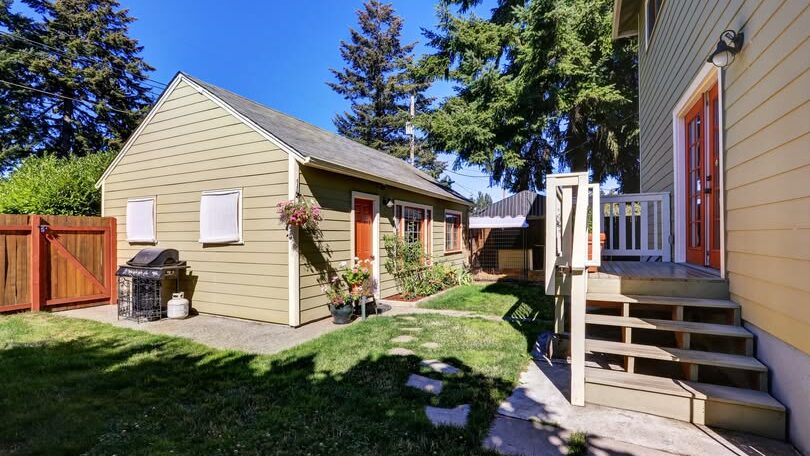
Will Seattle ADUs Become More Valuable in the Future?
Seattle ADUs are expected to remain in high demand as housing prices continue rising and the city pushes for higher-density residential development.
For many homeowners, detached backyard cottages now offer:
- Rental income potential
- Flexible multigenerational living
- Increased property value
- Long-term housing flexibility
Updated Seattle backyard cottage rules and zoning reforms have also made ADU development easier across many neighborhoods.
According to the official Seattle Department of Construction & Inspections, ADUs continue to play an important role in Seattle’s long-term housing strategy.
Although the cost to build an ADU in Seattle remains high, many homeowners now view ADUs as a long-term investment rather than simply an extra structure in the backyard.
Final Thoughts
Building an ADU in Seattle is no longer just a niche home upgrade. For many homeowners, it has become a practical way to create rental income, add flexible living space, and increase long-term property value.
But successful projects depend on understanding the latest Seattle ADU requirements, zoning regulations, permit timelines, and construction costs before breaking ground.
From detached backyard cottages to garage conversions, every property comes with different challenges involving setbacks, utilities, lot layout, and permitting complexity. That’s why careful planning — and working with professionals familiar with Seattle DADU regulations — can make a major difference in both cost and timeline.
As Seattle continues expanding housing flexibility across residential neighborhoods, ADUs are likely to remain one of the city’s most valuable real estate investments for years to come.