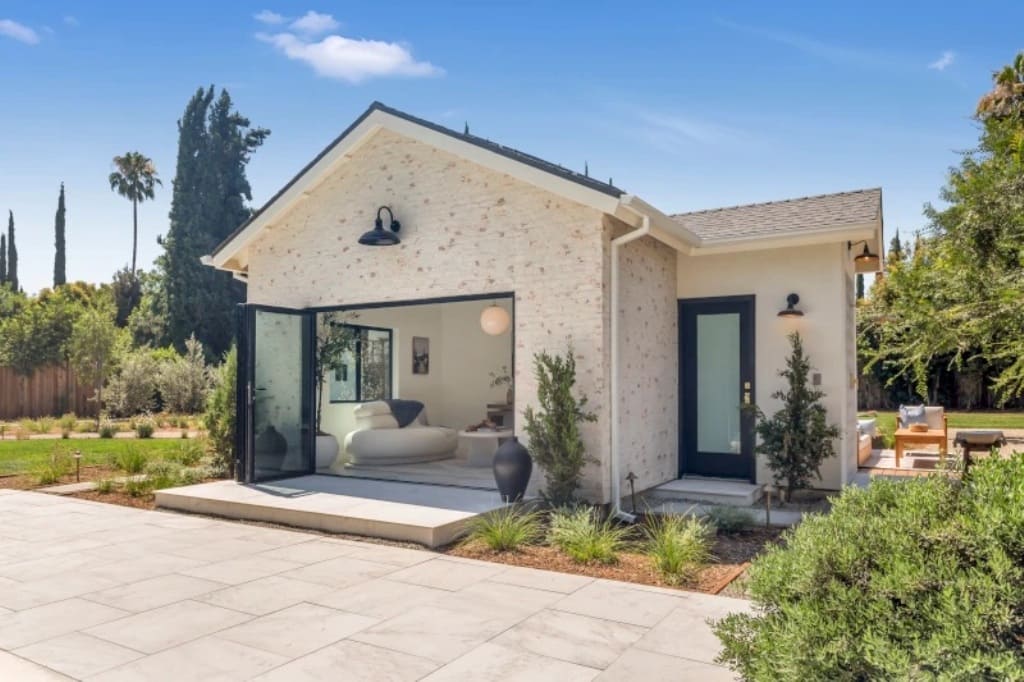
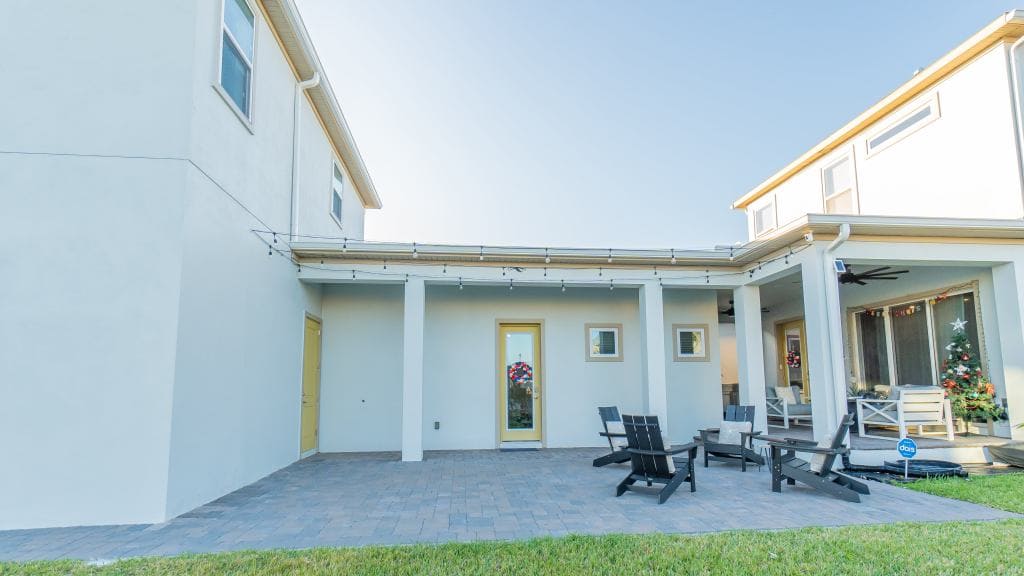
Backyard homes are no longer just a real estate trend. In 2026, thousands of homeowners are building ADUs to generate rental income, increase property value, and create flexible living space for family members. But while demand continues to grow, the biggest challenge for most homeowners is figuring out how to fund the project affordably.
That’s why interest in financing an ADU has surged this year. Many homeowners are comparing ADU loan options, exploring whether a HELOC for ADU construction makes sense, and searching for local ADU grants to reduce upfront costs.
According to data from Bankrate and National Association of Home Builders, equity-based financing remains one of the most popular ways to fund ADU projects in 2026.
In this guide, we’ll break down the best financing options, grant opportunities, and borrowing strategies homeowners are using today.
What Is ADU Financing?
ADU financing refers to the different ways homeowners fund the construction of an accessory dwelling unit (ADU), such as a backyard home, garage conversion, or in-law suite.
As housing costs continue rising in 2026, ADUs have become a popular way to generate rental income, increase property value, and create extra living space without purchasing a second property.
However, building an ADU is expensive. According to estimates from HomeAdvisor and Angi, most projects cost between $70,000 and $400,000, depending on size, permits, and location.
That’s why many homeowners explore financing an ADU options instead of paying entirely out of pocket.
Common ADU loan options include:
- Home equity loans
- HELOC for ADU construction
- Cash-out refinancing
- Construction loans
- FHA renovation loans
- Local ADU grants and incentives
For homeowners with strong home equity, a HELOC for ADU projects is often one of the most flexible financing methods because funds can be used gradually during construction.
Many homeowners also view ADUs as long-term investments. In high-demand rental markets, a well-designed ADU can generate monthly rental income while increasing overall property value.
Before approving financing, lenders typically review:
- Credit score
- Home equity
- Debt-to-income ratio
- Construction plans
- Permit approvals
Choosing the right ADU financing strategy depends on your budget, timeline, and long-term financial goals.

Best ADU Loan Options in 2026
There’s no single financing solution that works for every homeowner. The best ADU financing option depends on your available home equity, current mortgage rate, construction budget, and how quickly you need access to funds.
In 2026, most homeowners are choosing between equity-based loans, refinancing options, and specialized construction financing.
Home Equity Loans
A home equity loan allows homeowners to borrow a lump sum against the equity they’ve built in their property. These loans usually come with fixed interest rates and predictable monthly payments.
This option works well for homeowners who:
- Already know their total construction budget
- Prefer stable monthly payments
- Want protection from future rate increases
One advantage of home equity loans is financial predictability. Unlike variable-rate financing, the payment amount typically remains unchanged throughout the loan term.
However, lenders often require:
- Strong credit scores
- Significant home equity
- Stable income history
HELOC for ADU Construction
A HELOC for ADU projects remains one of the most popular financing choices in 2026.
A Home Equity Line of Credit works differently from a traditional loan. Instead of receiving one lump sum, homeowners can withdraw funds as needed during construction.
This flexibility makes HELOCs attractive for:
- Multi-phase ADU projects
- Garage conversions
- Unexpected construction expenses
- Contractor payment schedules
Many homeowners prefer HELOC financing because interest is usually charged only on the amount used during the draw period.
However, there’s an important tradeoff: most HELOCs come with variable interest rates. If rates rise further in 2026, monthly payments could increase over time.
Before choosing a HELOC for ADU construction, homeowners should compare:
- Draw period length
- Variable rate caps
- Repayment terms
- Closing costs
- Annual fees
Helpful rate comparison tools from Bankrate and NerdWallet can help borrowers evaluate current lender offers.
Cash-Out Refinance
A cash-out refinance replaces your existing mortgage with a larger loan, allowing you to access the difference in cash.
This ADU financing option can make sense if:
- Your current mortgage rate is high
- You need a large construction budget
- You want a single monthly payment
The downside is that refinancing resets your mortgage terms entirely. Homeowners with ultra-low mortgage rates from previous years may find refinancing less attractive in today’s higher-rate environment.
Construction Loans
Construction loans are designed specifically for building projects.
Instead of receiving funds all at once, money is released in stages as construction progresses. Lenders usually inspect the project before approving each payment phase.
These loans are often used for:
- Detached ADUs
- Large backyard homes
- High-budget custom builds
Construction loans typically require:
- Detailed architectural plans
- Contractor agreements
- Permit approvals
- Larger down payments
While approval requirements can be stricter, they may provide larger borrowing limits for complex projects.
FHA 203(k) Loans
FHA 203(k) loans are government-backed renovation loans that allow homeowners to finance both the property and renovation costs together.
This option may help borrowers who:
- Have lower credit scores
- Need flexible qualification requirements
- Are combining renovations with ADU construction
Requirements and loan limits vary, so homeowners should review current guidelines through the U.S. Department of Housing and Urban Development (HUD) before applying.
Each of these ADU loan options comes with different risks, qualification standards, and long-term costs. The best choice often depends on whether your priority is flexibility, low monthly payments, or minimizing total interest over time.
ADU Grants and Government Programs
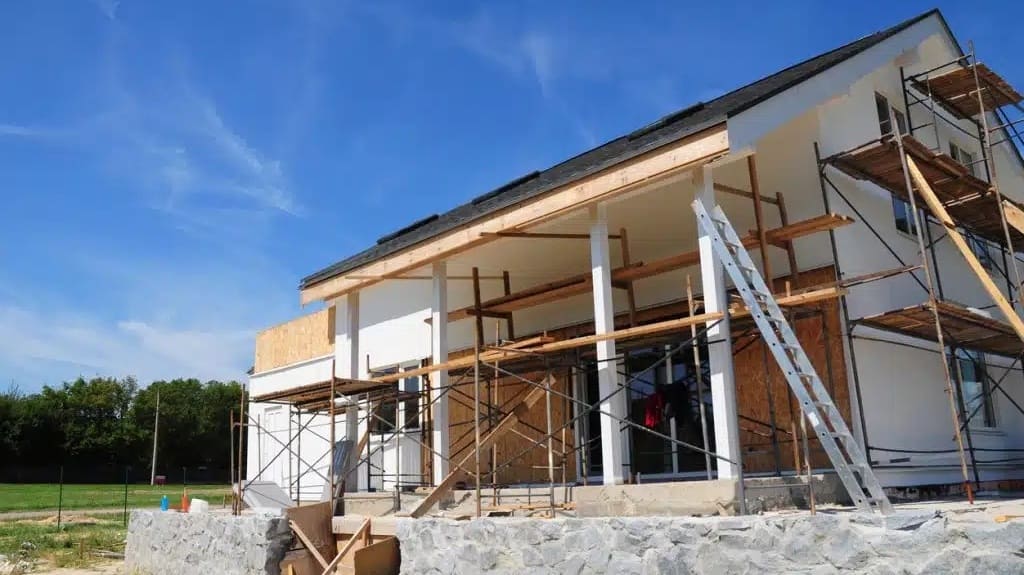
In 2026, many cities and states are offering ADU grants and housing incentives to encourage homeowners to build accessory dwelling units. These programs can help reduce some of the biggest upfront costs, including:
- Permit fees
- Utility connections
- Site preparation
- Pre-construction expenses
California remains one of the most active states for financing an ADU assistance, with several local programs supporting homeowners through grants, fee waivers, and low-interest financing.
Helpful resources include:
Some cities also offer:
- Faster permit approvals
- Pre-approved ADU plans
- Reduced impact fees
- Local financing incentives
Most ADU grants do not cover the full construction cost, so homeowners often combine them with other ADU loan options like home equity loans or a HELOC for ADU projects.
Because funding availability changes frequently, it’s smart to check local housing websites before starting construction.
HELOC vs Home Equity Loan for Financing an ADU
Many homeowners comparing ADU financing options eventually narrow their choice down to two popular solutions: a HELOC for ADU construction or a traditional home equity loan.
Both allow you to borrow against your home equity, but they work very differently.
| Feature | HELOC | Home Equity Loan |
|---|---|---|
| Interest Rate | Usually variable | Usually fixed |
| Funding Style | Flexible credit line | Lump-sum payment |
| Payment Stability | Can change over time | Predictable monthly payments |
| Best For | Ongoing projects | Fixed construction budgets |
A HELOC for ADU projects is often preferred when construction happens in phases or when costs may change during the build. Homeowners can withdraw funds as needed instead of borrowing the full amount upfront.
A home equity loan, on the other hand, works better for homeowners who want stable monthly payments and a fixed repayment schedule.
In 2026’s higher-rate environment, many borrowers are carefully comparing variable-rate risk before choosing a HELOC for ADU construction. If interest rates rise further, monthly payments could increase significantly over time.
The best option depends on your financial flexibility, construction timeline, and comfort with changing interest rates.

How Much Income Can an ADU Generate?
One reason for financing ADU has become so popular is the income potential these units can create.
In high-demand rental markets, a well-designed ADU can generate steady monthly cash flow while increasing overall property value. According to rental trend data from Zillow, rental income varies widely based on location, unit size, and local demand.
Many homeowners use ADUs for:
- Long-term rental income
- Airbnb or short-term rentals
- Housing for family members
- Private guest spaces
- Home offices or studios
In cities with strong housing demand, some detached ADUs can generate enough monthly rent to offset a portion of the loan payment.
However, homeowners should also factor in:
- Property taxes
- Insurance
- Maintenance costs
- Vacancy periods
- Local rental regulations
Before choosing between different ADU loan options, it’s important to estimate realistic rental income and long-term return on investment.
How to Qualify for Financing and ADU
Qualifying for financing and ADU in 2026 depends largely on your financial profile and the scope of the construction project.
Most lenders review:
- Credit score
- Debt-to-income ratio (DTI)
- Available home equity
- Employment history
- Construction plans and permits
For equity-based ADU loan options like home equity loans or a HELOC for ADU construction, homeowners usually need substantial equity built into their property.
Lenders may also ask for:
- Contractor estimates
- Architectural plans
- Project timelines
- Expected property value after construction
Borrowers with stronger credit scores and lower existing debt often qualify for better interest rates and higher borrowing limits.
Before applying, homeowners can improve approval odds by:
- Paying down existing debt
- Comparing multiple lenders
- Improving credit utilization
- Getting detailed contractor bids
Since approval requirements vary between lenders, comparing several ADU financing offers can potentially save thousands over the life of the loan.
Common Mistakes Homeowners Make When Financing an ADU
One of the biggest ADU financing mistakes is underestimating the total project cost. Many homeowners focus only on construction while overlooking:
- Permit fees
- Utility upgrades
- Insurance costs
- Interest payments
Another common issue is choosing a HELOC for ADU construction without preparing for possible interest rate increases.
Some homeowners also fail to compare different ADU loan options, which can lead to higher long-term borrowing costs.
Other mistakes include:
- Starting before permit approval
- Ignoring zoning rules
- Missing local ADU grants
- Underestimating construction delays
Planning carefully before borrowing can help avoid major financial surprises later.
Best ADU Financing Strategy Based on Your Situation
- Strong home equity:
Home equity loans or a HELOC for ADU construction may offer lower interest rates. - Need predictable payments:
Choose a fixed-rate home equity loan for stable monthly payments. - Flexible construction budget:
A HELOC for ADU projects allows gradual access to funds during construction. - Limited savings:
Consider FHA renovation loans or local ADU grants to reduce upfront costs. - Planning to rent the ADU:
Focus on financing an ADU options with manageable monthly payments to maximize rental cash flow. - Comparing lenders:
Always compare rates, fees, and repayment terms before choosing a loan.
Before choosing any ADU loan option, compare interest rates, fees, repayment terms, and total borrowing costs carefully.
Conclusion
ADUs continue to grow in popularity because they offer homeowners a practical way to create rental income, expand living space, and increase property value. But choosing the right ADU financing strategy is just as important as the construction itself.
Whether you’re comparing ADU loan options, exploring a HELOC for ADU construction, or researching local ADU grants, the key is to balance affordability with long-term financial goals.
Before moving forward, compare multiple lenders, review local incentive programs, and calculate the full project cost carefully. A well-planned financing strategy can make your ADU project far more manageable — and potentially far more profitable in the years ahead.