How long does it take to build an ADU? In most cases, the full ADU construction timeline ranges from 6 to 18 months, depending on permits, design complexity, contractor availability, and the type of unit being built.
While some garage conversions can be completed relatively quickly, custom detached ADUs often take much longer due to permit approvals, inspections, and utility work. Many homeowners underestimate how much time is spent before construction even begins.
According to the California Department of Housing and Community Development, ADU demand continues to rise in 2026 as homeowners look for rental income, multigenerational housing, and added property value.
This guide breaks down the real-world ADU permit process timeline step-by-step so you know exactly what to expect before starting your project.
How Long Does It Take to Build an ADU on an Average in 2026?
The average ADU construction timeline in 2026 ranges from 6 to 18 months, depending on the type of unit, permit approvals, and construction complexity.
Here’s a realistic breakdown:
| ADU Stage | Estimated Timeline |
|---|---|
| Planning & Design | 1–3 months |
| Permits & Approvals | 2–6 months |
| Construction | 4–8 months |
| Final Inspection | 2–4 weeks |
In general:
- Garage conversions are usually the fastest
- Attached ADUs take moderate time
- Detached custom ADUs often take the longest
According to the National Association of Home Builders, labor shortages and material delays still affect residential construction timelines in 2026, especially for windows, HVAC systems, and electrical components.
The ADU permit process timeline also varies by city. Areas with streamlined ADU regulations may approve projects faster, while cities with stricter zoning rules can add months to the process.
Many homeowners assume construction is the longest phase, but delays often happen earlier during planning, permits, and utility approvals.

Phase 1 — Planning Your ADU (1–3 Months)
The planning stage is where the foundation of your entire project is set. Rushing this phase often leads to delays later in the ADU construction timeline.
Start by deciding how the ADU will be used. Some homeowners build for rental income, while others create space for aging parents, adult children, guests, or a home office. Your goal will influence the layout, size, and budget.
You’ll also need to choose the type of ADU:
- Detached ADU
- Attached ADU
- Garage conversion
- Prefab ADU
Garage conversions are usually faster because part of the structure already exists. Detached ADUs typically take longer due to new foundations, utility connections, and additional construction work.
During this phase, many homeowners consult:
- ADU designers
- Architects
- Structural engineers
- Specialized ADU contractors
According to the California Department of Housing and Community Development, local zoning rules, setbacks, parking requirements, and lot size restrictions can all affect whether your ADU plans move forward smoothly.
This early planning stage usually takes 1–3 months, depending on how quickly decisions are finalized. Frequent design changes or unclear budgeting can easily slow the process down.
Phase 2 — Design and Architectural Drawings (1–2 Months)
Once the planning stage is complete, the next step is creating detailed architectural plans for your ADU. This phase usually takes 1–2 months, although complex custom designs may take longer.
Your designer or architect will prepare:
- Floor plans
- Elevations
- Structural drawings
- Utility layouts
- Energy compliance documents
This is also when site measurements and surveys are completed to ensure the ADU complies with local zoning regulations and setback requirements.
Many homeowners underestimate how long revisions can take during this stage. Small layout changes, window placements, or plumbing adjustments may require updated drawings and additional approvals.
If you’re wondering how long to build an accessory dwelling unit, this phase is critical because incomplete or inaccurate plans are one of the biggest reasons permit applications get delayed later.
Working with professionals who specialize in ADUs can help reduce revisions and speed up the approval process.
Phase 3 — The ADU Permit Process Timeline (2–6+ Months)
For many homeowners, this is the longest and most frustrating part of the entire ADU construction timeline.
Once your plans are submitted, the city reviews the project for zoning compliance, structural safety, utility connections, and building code requirements. Depending on your location, the ADU permit process timeline can take anywhere from a few weeks to several months.
Common reasons for delays include:
- Incomplete applications
- Zoning corrections
- Utility approval issues
- Backlogged planning departments
- Requested plan revisions
Cities with streamlined ADU policies generally move faster, while high-demand urban areas often experience longer wait times.
According to the California Department of Housing and Community Development, many California cities have simplified ADU approval rules in recent years, but permitting delays still remain common in busy jurisdictions.
Homeowners who submit complete plans and work with experienced ADU professionals usually move through this phase much faster than those managing the process alone.
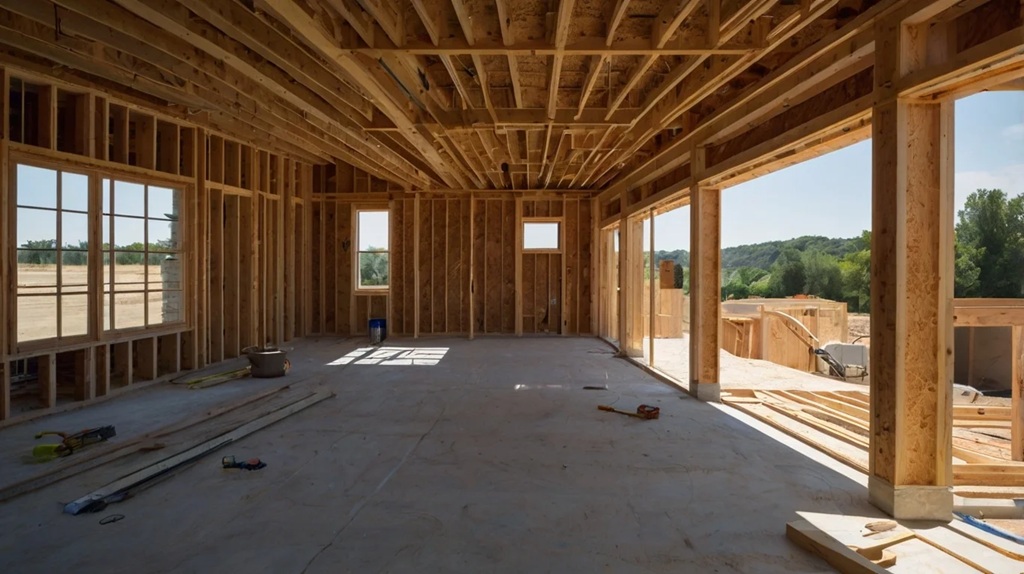
Phase 4 — Site Preparation and Foundation Work (2–6 Weeks)
After permits are approved, physical construction can finally begin. The first step is preparing the site for the ADU.
This phase typically includes:
- Clearing or demolition
- Excavation
- Utility trenching
- Grading
- Pouring the foundation
For garage conversions, this stage is often much faster because an existing structure is already in place. Detached ADUs usually require more extensive foundation and utility work.
Weather conditions, soil issues, and inspection scheduling can also affect timelines during this stage. Heavy rain or failed inspections may delay progress by several days or even weeks.
Although this phase is relatively short compared to permits and construction, mistakes here can create major delays later in the project. That’s why experienced contractors spend extra time ensuring the foundation and utility setup are done correctly before framing begins.
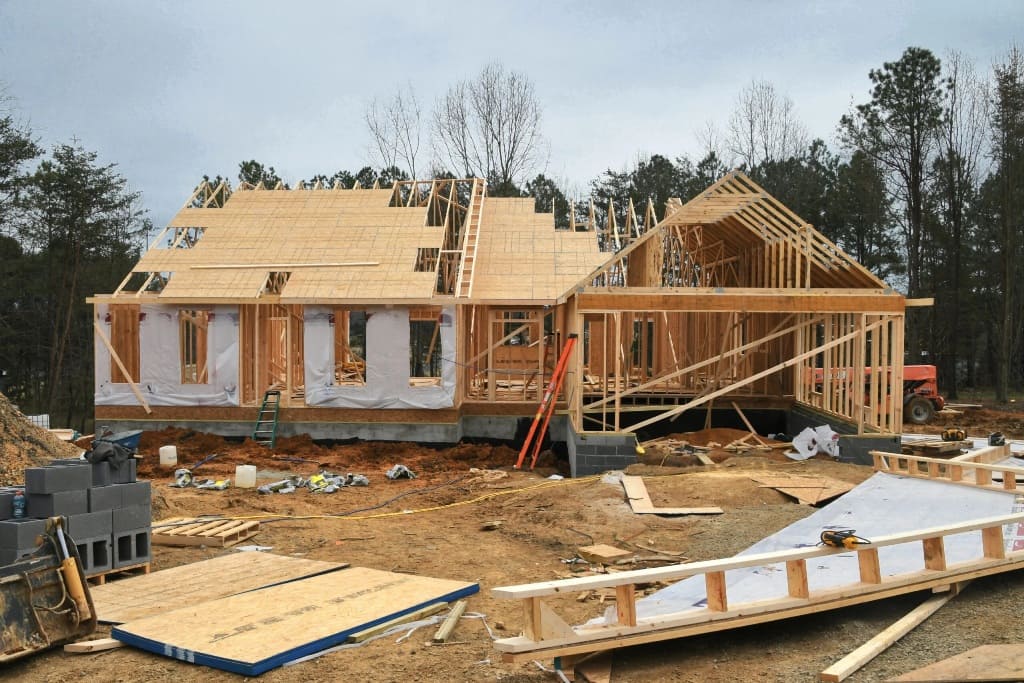
Phase 5 — Framing, Roofing, and Exterior Construction (1–2 Months)
This is the stage where the ADU finally starts looking like a real home instead of a construction site.
During this phase, contractors complete:
- Structural framing
- Roofing installation
- Exterior walls and siding
- Windows and doors
Once framing is complete, the project moves through several inspections to ensure the structure meets local building codes.
Material availability can still affect the ADU construction timeline in 2026. According to the National Association of Home Builders, items like windows, roofing materials, and HVAC equipment continue to face occasional supply delays in some regions.
Weather can also slow exterior construction, especially during heavy rain or extreme temperatures.
For most projects, this stage takes around 1–2 months, depending on the size and complexity of the ADU.
Phase 6 — Plumbing, Electrical, HVAC, and Interior Finishes (2–3 Months)
Once the exterior structure is complete, contractors begin working on the interior systems and finishes. This phase usually takes 2–3 months and is often more time-consuming than homeowners expect.
Work during this stage includes:
- Plumbing and electrical installation
- HVAC setup
- Insulation and drywall
- Flooring and cabinetry
- Kitchen and bathroom installation
- Painting and final fixtures
Multiple inspections also take place throughout this process before walls can be sealed and finishes completed.
Even small delays — such as backordered appliances or countertop materials — can slow the ADU construction timeline significantly during this stage.
Many contractors say interior finishing takes longer than expected because several trades must work in sequence, making scheduling especially important.
Final Inspections and Move-In Approval (2–4 Weeks)
Before the ADU can legally be occupied, the project must pass final inspections and receive approval from the local building department.
During this stage, inspectors review:
- Electrical systems
- Plumbing
- HVAC installation
- Safety features
- Overall code compliance
If issues are found, the contractor must fix them before the final sign-off is issued. Common problems include missing handrails, electrical corrections, or incomplete fixtures.
Once approved, the city issues a certificate of occupancy or final clearance, allowing the homeowner to move in or rent out the unit.
Although this phase usually takes only 2–4 weeks, scheduling delays and failed inspections can still extend the overall ADU permit process timeline.
Factors That Can Make an ADU Faster or Slower
No two ADU projects follow the exact same timeline. While some units are completed in a few months, others face delays that stretch the project well beyond a year.
The biggest factors that affect the ADU construction timeline include:
- Type of ADU being built
- Local permit approval speed
- Contractor availability
- Weather conditions
- Utility upgrades
- Design changes during construction
- Material shortages
Prefab ADUs and garage conversions are usually completed faster because they require less structural work. Custom detached ADUs typically take longer due to foundations, utility connections, and more complex approvals.
Here’s a general comparison:
| Type of ADU | Average Timeline |
|---|---|
| Garage Conversion | 4–8 months |
| Attached ADU | 6–12 months |
| Detached Custom ADU | 9–18 months |
| Prefab ADU | 4–10 months |
Homeowners who finalize their plans early and work with ADU-specialized contractors usually experience fewer delays throughout the process.
How to Speed Up Your ADU Construction Timeline
While some delays are unavoidable, there are several ways to keep your project moving efficiently.
Here are some practical ways to shorten the ADU construction timeline:
- Hire contractors who specialize in ADUs
- Submit complete permit applications
- Avoid major design changes mid-project
- Choose standard floor plans when possible
- Order materials and appliances early
- Stay proactive with inspections and approvals
Many experienced builders say the biggest delays happen before construction begins. A well-prepared permit application and clear project plan can save weeks or even months.
If speed is a priority, prefab ADUs and garage conversions are often faster than fully custom detached units because they require less structural work and fewer design revisions.
Is Building an ADU Worth the Time?
For many homeowners, the long ADU permit process timeline is still worth it because of the long-term financial and lifestyle benefits.
An ADU can:
- Generate rental income
- Increase property value
- Create space for family members
- Provide flexible living or work space
- Support multigenerational living
According to housing trends reported by the National Association of Realtors, demand for flexible housing options continues to grow as property prices rise in many U.S. cities.
While building an ADU requires patience, careful planning, and upfront investment, many homeowners see it as a long-term asset that adds both functionality and value to their property.
Conclusion
So, how long does it take to build an ADU? For most homeowners, the full ADU construction timeline ranges from 6 to 18 months, depending on permits, design complexity, construction type, and local regulations.
While garage conversions and prefab units can move faster, custom detached ADUs often require more time due to approvals, utility work, and inspections. In many cases, the ADU permit process timeline takes longer than the actual construction itself.
The key to avoiding unnecessary delays is proper planning. Working with experienced ADU professionals, finalizing designs early, and preparing complete permit applications can make the entire process far smoother.
Although building an ADU requires patience, many homeowners find the added rental income, property value, and flexible living space well worth the investment in the long run.
FAQs About ADU Timelines
What is the fastest an ADU can be built?
A simple garage conversion or prefab ADU can sometimes be completed in 4–6 months if permits and inspections move quickly.
Why does the ADU permit process timeline take so long?
Permit delays are often caused by zoning reviews, incomplete applications, utility approvals, and overloaded planning departments.
Are prefab ADUs faster to build?
Yes. Prefab ADUs usually reduce on-site construction time because major components are manufactured off-site before installation.
Can I live in my house during ADU construction?
In most cases, yes. However, there may be temporary disruptions involving utilities, noise, parking, or yard access during construction.
What causes the biggest delays in an ADU construction timeline?
The most common delays include permit approvals, design revisions, contractor scheduling, weather conditions, and material shortages.