Austin’s housing market has changed dramatically over the last few years. Rising home prices, growing rental demand, and limited housing inventory have pushed many homeowners to look for smarter ways to maximize their property — and that’s exactly why ADUs are booming across the city.
This ADU Austin Guide covers everything homeowners need to know in 2026, including Austin ADU regulations, permit timelines, construction costs, and how to choose the right builder for your project.
Whether you’re planning a backyard rental unit, a garage conversion, or a private space for family members, an ADU can create long-term value and additional income. According to the City of Austin Development Services Department, recent zoning and housing reforms have made ADU development more accessible in several parts of the city.
But building an ADU in Austin still comes with important rules, costs, and planning considerations that homeowners should understand before getting started.
Why ADUs Are Growing Rapidly in Austin
Austin has become one of the fastest-growing ADU markets in Texas, and the reasons go far beyond simple backyard expansion.
For many homeowners, rising property taxes and mortgage costs have made additional rental income increasingly valuable. Building an ADU allows property owners to generate monthly income without purchasing a second property in Austin’s highly competitive housing market.
Others are using ADUs for:
- Multigenerational living
- Private guest space
- Remote work offices
- Long-term rental units
- Future downsizing options
The city’s housing shortage has also played a major role. According to the City of Austin Housing Department, Austin continues to encourage alternative housing solutions to improve affordability and increase housing supply.
At the same time, updated Austin ADU regulations and zoning reforms have made it easier for many homeowners to add secondary units in neighborhoods that previously had stricter development limitations.
Another major factor is flexibility. Unlike traditional home additions, ADUs can serve multiple purposes over time — from rental income today to family housing in the future. That adaptability is one reason why many real estate experts now view ADUs as a long-term property investment rather than just an extra structure in the backyard.
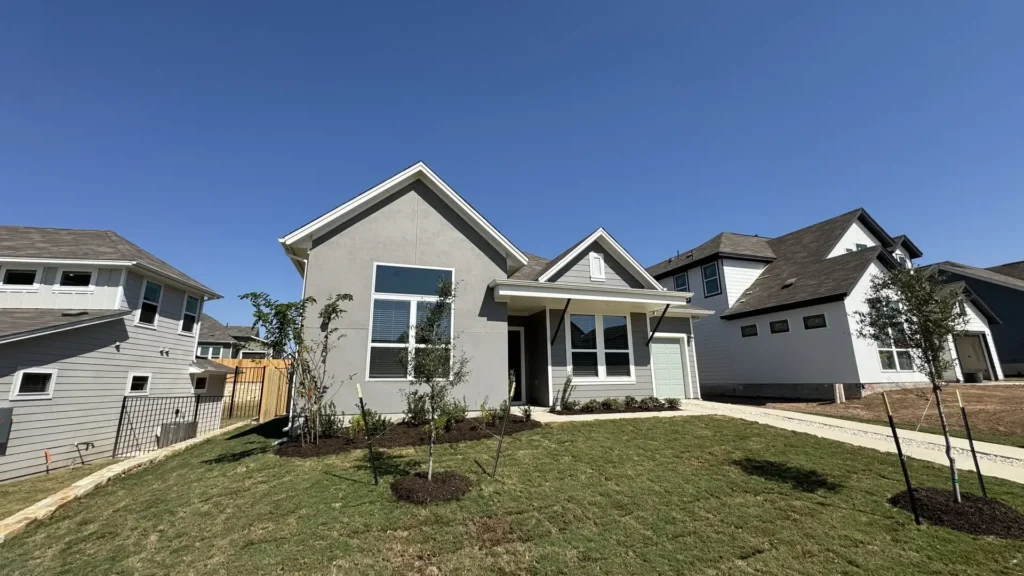
ADU Austin Guide and Regulations in 2026
Before starting any project, homeowners need to understand the latest Austin ADU regulations. Zoning rules, lot restrictions, and permitting requirements can significantly affect what type of ADU you can build and how large it can be.
In Austin, ADU eligibility is influenced by factors such as:
- Property zoning
- Lot size
- Setback requirements
- Building height limits
- Impervious cover restrictions
- Utility access
According to the City of Austin Development Services Department, many residential lots now qualify for ADU development under updated housing reforms aimed at increasing density and improving housing availability.
However, some properties may still face limitations, especially in:
- Historic districts
- HOA-controlled neighborhoods
- Environmentally restricted areas
- Smaller or irregular lots
Parking rules and occupancy requirements may also vary depending on the neighborhood and zoning classification.
One mistake many homeowners make is assuming that citywide ADU rules apply equally to every property. In reality, zoning overlays, easements, utility placement, and lot configuration can all impact approval timelines and construction feasibility.
Because regulations continue to evolve, many homeowners work with local architects or ADU builders Austin residents already trust to review zoning compliance before investing in plans or permits.
How Much Does an ADU Cost in Austin?
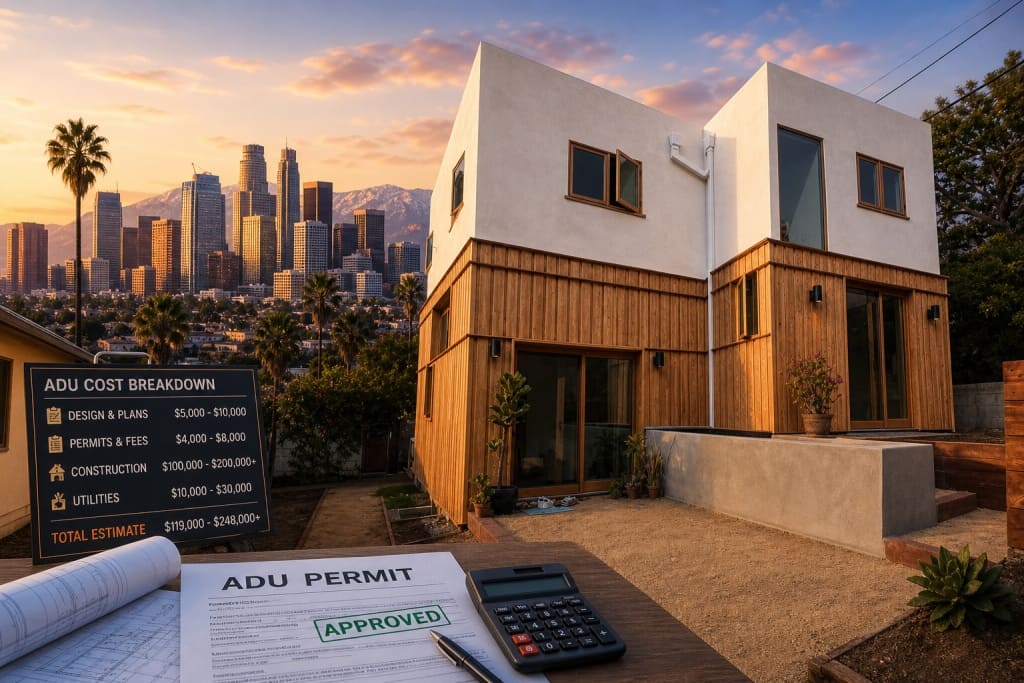
The ADU cost in Austin can vary widely depending on the size, design, location, and type of unit being built. In 2026, most homeowners spend anywhere from $80,000 to over $400,000 for a complete ADU project.
Here’s a general cost breakdown:
| ADU Type | Estimated Cost |
|---|---|
| Garage Conversion | $80,000–$150,000 |
| Attached ADU | $120,000–$220,000 |
| Detached ADU | $180,000–$400,000+ |
| Prefab ADU | $100,000–$250,000 |
Several factors influence pricing, including:
- Site preparation
- Foundation work
- Utility hookups
- Interior finishes
- Permit fees
- Contractor labor costs
Detached ADUs are usually the most expensive because they require separate foundations, roofing, plumbing, and electrical systems. Garage conversions tend to be more affordable since part of the structure already exists.
Labor costs have also continued to rise across Texas due to ongoing demand for skilled contractors and residential construction projects. According to the National Association of Home Builders, labor shortages remain one of the biggest cost drivers in residential construction nationwide.
Many homeowners underestimate soft costs such as architectural plans, engineering, permits, and utility upgrades, which can add tens of thousands of dollars to the final budget.

ADU Permit Process and Timeline in Austin
The permit process is often the longest part of building an ADU in Austin. In most cases, the full process — from planning to final approval — takes around 6 to 12 months, depending on project complexity and city review timelines.
The process usually includes:
- Architectural plans
- Zoning review
- Permit submission
- Utility approvals
- Inspections during construction
According to the City of Austin Development Services Department, approval timelines can vary based on application volume and project details.
Common causes of delays include:
- Incomplete plans
- Zoning corrections
- Utility conflicts
- Revision requests
- Inspection scheduling
Many homeowners underestimate how much time is spent on permits before construction even begins. Working with experienced ADU builders that Austin homeowners trust can often help avoid unnecessary delays and approval issues.
Best Types of ADUs for Austin Properties
The best ADU type depends on your property size, budget, rental goals, and local zoning restrictions. In Austin, detached ADUs and garage conversions remain the most popular options in 2026.
Detached ADUs offer the most privacy and rental potential, making them ideal for long-term tenants or guest housing. However, they usually come with higher construction costs and longer permit timelines.
Garage conversions are often faster and more affordable because the basic structure already exists. They work especially well in neighborhoods with limited backyard space.
Prefab ADUs are also gaining popularity in Austin due to shorter construction timelines and more predictable pricing. Some homeowners prefer them because much of the unit is manufactured off-site before installation.
For properties with limited lot space, attached ADUs can be a practical middle-ground option that balances cost, flexibility, and permitting requirements.
The right choice ultimately depends on how you plan to use the space — whether for rental income, family housing, or future property value growth.
Finding the Right ADU Builders Austin Homeowners Trust
Choosing the right contractor can make a major difference in both construction quality and project timeline. Since ADUs involve zoning rules, permits, utility coordination, and inspections, experience matters far more than simply choosing the cheapest bid.
When comparing ADU builders Austin homeowners commonly work with, look for:
- Local ADU experience
- Knowledge of Austin zoning rules
- Transparent pricing
- Licensed and insured contractors
- Strong project portfolio
- Clear construction timelines
It’s also important to ask whether the builder handles permits and city approvals. Contractors familiar with Austin ADU regulations can often identify potential issues before they become expensive delays.
Before signing a contract, ask questions such as:
- How many ADUs have you built in Austin?
- What delays are most common?
- Do you manage permits and inspections?
- Can you provide recent project references?
Many homeowners focus only on construction costs, but poor contractor communication and unrealistic timelines often create bigger problems later in the project.
Is Building an ADU in Austin Worth It?
For many homeowners, building an ADU in Austin is a long-term investment that adds both flexibility and property value.
An ADU can provide:
- Rental income
- Extra living space
- Housing for family members
- Home office flexibility
- Increased property value
Rental demand remains especially strong in neighborhoods close to downtown, major employers, and university areas. Some homeowners use ADUs for long-term tenants, while others create private guest housing or remote work space.
Although the upfront ADU cost in Austin can be significant, many property owners see strong long-term value through rental income and property appreciation.
According to housing market trends from the National Association of Realtors, flexible housing solutions like ADUs continue to gain popularity in high-growth cities where affordability remains a challenge.
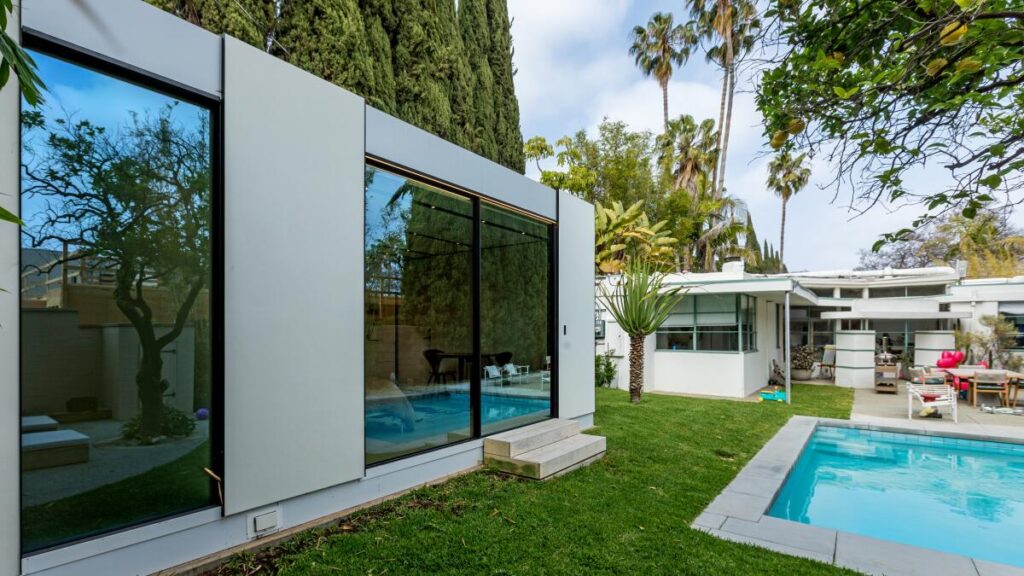
Modernist architect William Kesling designed this Streamline Moderne home for actor Wallace Beery in 1936. The home was in the news in 2017 when a developer purchased it and tried to tear it down.
UCLA law professor Xiyin Tang and her husband Paul Laskow bought the home in 2020 after it was designated a historic landmark. Because of the designation, they can’t update the exterior facade, so to accommodate their growing family, they added a prefab ADU by Cover in 2021. (Ricardo DeAratanha/Los Angeles Times)
Common Mistakes Homeowners Make With ADUs
One of the biggest mistakes homeowners make is underestimating how complex ADU projects can become once permits, zoning rules, and utility requirements are involved.
Common ADU mistakes in Austin include:
- Ignoring zoning restrictions
- Underestimating total project costs
- Hiring contractors without ADU experience
- Making design changes mid-project
- Overlooking utility upgrade expenses
Another common issue is assuming every property qualifies for an ADU. Even with updated Austin ADU regulations, factors like lot size, easements, setbacks, and HOA rules can still affect approval.
Many delays and budget overruns happen during the planning stage, not construction itself. That’s why experienced ADU builders Austin homeowners trust usually recommend reviewing zoning and permit requirements before investing heavily in architectural plans.
Conclusion
As housing prices continue to rise, more homeowners are turning to ADUs as a practical way to add living space, generate rental income, and increase long-term property value. This ADU Austin Guide shows that while the process involves permits, zoning rules, and significant upfront costs, the long-term benefits can be substantial.
Understanding Austin ADU regulations, realistic construction timelines, and the true ADU cost in Austin can help homeowners avoid expensive mistakes before construction begins.
Whether you’re planning a detached backyard unit, garage conversion, or prefab ADU, careful planning and working with experienced professionals can make the entire process smoother and more cost-effective in 2026.
FAQs About ADUs in Austin
Can I legally build an ADU in Austin?
Yes. Many residential properties in Austin now qualify for ADUs under updated zoning and housing regulations, although restrictions still vary by property and neighborhood.
How much does an ADU cost in Austin?
The ADU cost in Austin typically ranges from $80,000 to over $400,000, depending on the size, design, and type of unit.
How long does an Austin ADU project take?
Most projects take around 6–12 months from planning and permits to final construction.
Are prefab ADUs allowed in Austin?
Yes. Prefab ADUs are allowed in many areas as long as they meet local zoning and building code requirements.
Can I rent out my Austin ADU?
In many cases, yes. However, rental rules and short-term rental regulations may vary depending on the property location and zoning district.