More families are choosing an ADU for aging parents as housing costs and assisted living expenses continue to rise in 2026. Instead of moving loved ones into expensive care facilities, homeowners are building private backyard homes that offer both independence and proximity to family.
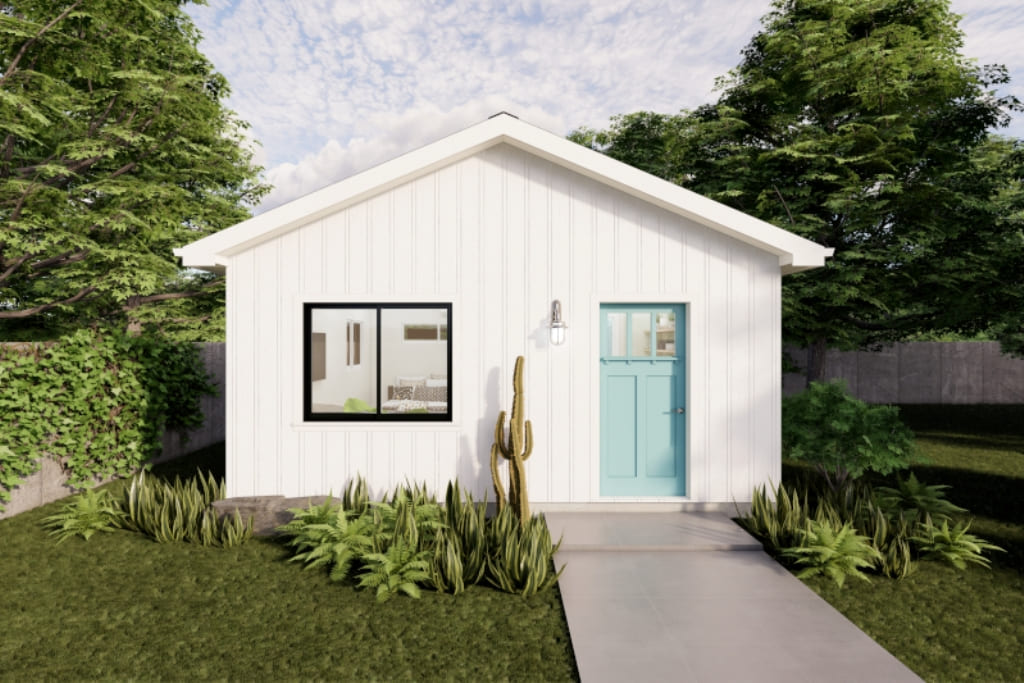
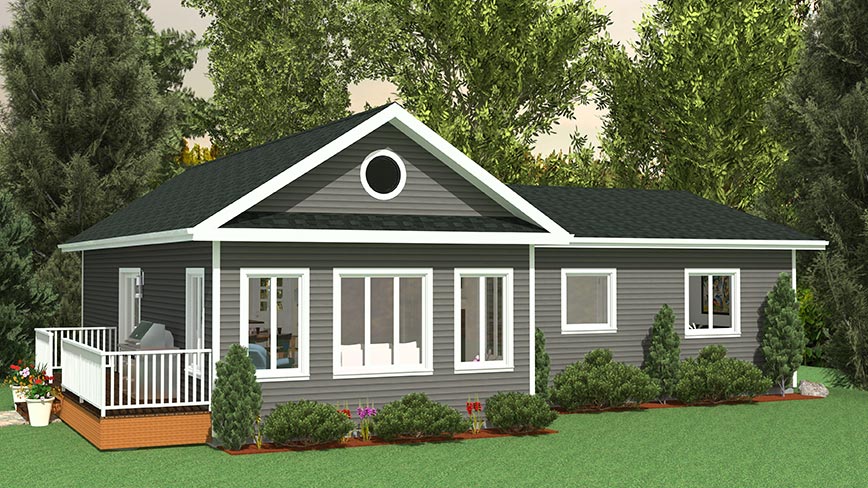
An ADU for elderly parents creates a practical balance between caregiving, privacy, and long-term financial value. From detached backyard cottages to modern garage conversions, these spaces are becoming one of the smartest multigenerational housing solutions in the U.S.
With the rise of senior-friendly ADU design ideas like step-free layouts, walk-in showers, and smart safety features, aging in place has become more comfortable than ever. In this guide, we’ll explore costs, design ideas, zoning rules, and whether a granny flat for aging parents is truly worth the investment.
Why More Families Are Building an ADU for Aging Parents in 2026
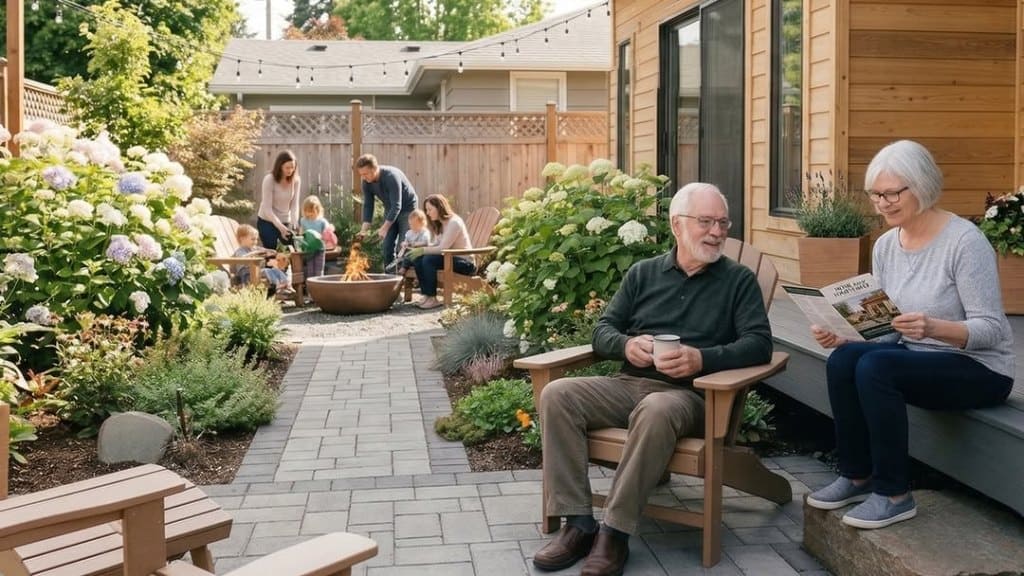
The popularity of the ADU for aging parents is growing rapidly as families search for affordable alternatives to assisted living. With elder care costs continuing to rise, many homeowners are choosing backyard homes and in-law suites that allow parents to stay close while maintaining independence.
According to the U.S. Census Bureau, multigenerational living is increasing across the United States, driven by housing affordability and caregiving needs. At the same time, states like California are making ADU permits easier to obtain.
An ADU for elderly parents offers several long-term benefits:
- More privacy than shared living arrangements
- Lower long-term care expenses
- Increased property value
- Flexible future use as a rental or guest house
Many families are also prioritizing senior-friendly ADU design ideas such as step-free entrances, wider hallways, walk-in showers, and smart safety features to support aging in place comfortably.
For homeowners looking ahead, a granny flat for aging parents is becoming more than a housing trend — it’s a practical long-term investment for both family and property value.
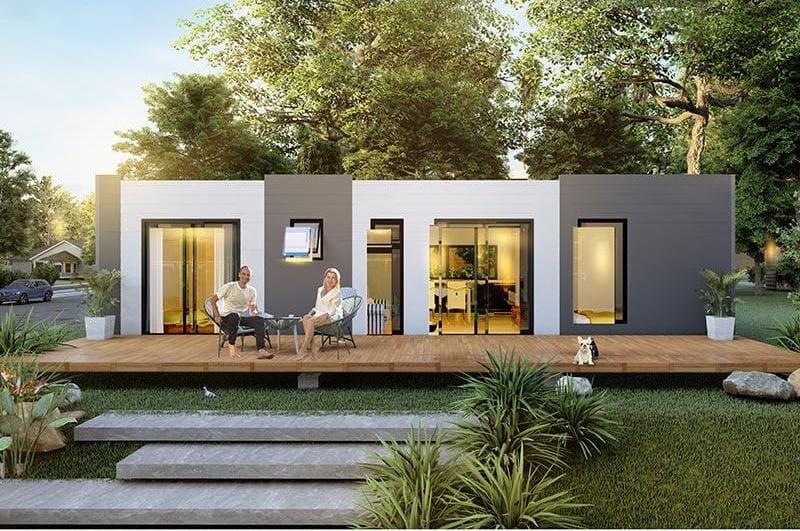
Benefits of Building an ADU for Aging Parents
Building an ADU for aging parents offers more than just extra living space. For many families, it creates a long-term solution that balances caregiving, privacy, and financial security.
Keeps Family Close Without Sacrificing Independence
One of the biggest advantages of an ADU for elderly parents is proximity. Parents can stay near children and grandchildren while still having their own private routine and personal space.
This setup often feels more comfortable than moving into assisted living facilities or sharing the same home full-time.
Lower Long-Term Care Costs
According to the Genworth Cost of Care Survey, assisted living expenses continue to rise across the U.S. While building an ADU requires upfront investment, many families save significantly over time compared to ongoing care facility costs.
Increases Property Value
Homes with ADUs are attracting strong buyer interest in many real estate markets. A professionally designed granny flat for aging parents can increase resale value while adding flexible living space future buyers may also want.
Supports Aging in Place
Modern senior-friendly ADU design ideas focus on safety, accessibility, and comfort. Features like:
- Step-free entrances
- Wider doorways
- Non-slip flooring
- Walk-in showers
- Smart lighting systems
can help aging parents live independently for longer.
Flexible Future Use
An ADU can continue generating value even after caregiving needs change. Many homeowners later convert the space into:
- A guest house
- Rental unit
- Home office
- Studio space
That long-term flexibility is one reason ADUs are becoming one of the smartest housing investments in 2026.
Senior-Friendly ADU Design Ideas That Actually Work
A well-designed ADU for aging parents should focus on comfort, safety, and long-term accessibility. Planning these features early is far easier and cheaper than renovating later.
The best layouts prioritize simple movement and low-maintenance living.
Prioritize Single-Level Floor Plans
Single-story layouts are ideal for seniors because they eliminate stairs and reduce fall risks. Open floor plans also make movement easier, especially for walkers or wheelchairs.
Install Step-Free Entrances
Zero-step entryways are one of the most important senior-friendly ADU design ideas. Even a small step can become a mobility challenge over time.
Many homeowners also add:
- Wider hallways
- Lever-style door handles
- Slip-resistant flooring
- Better lighting in walkways and bathrooms
Design Safer Bathrooms
Bathrooms are one of the most common areas for household injuries among seniors. Walk-in showers with grab bars and built-in seating can significantly improve safety and comfort.
A growing number of ADU for elderly parents projects now include curbless showers and raised toilets designed for aging-in-place living.
Add Smart Home Features
Modern technology is making granny flats for aging parents much safer and easier to manage.
Popular additions include:
- Voice-controlled lighting
- Smart door locks
- Video doorbells
- Emergency alert systems
- Motion-sensor lighting
These features improve both convenience and peace of mind for families.
Focus on Energy Efficiency
Energy-efficient windows, insulation, and appliances help reduce monthly utility costs while making the ADU more comfortable year-round.
According to the U.S. Department of Energy, energy-efficient homes can significantly lower long-term operating expenses, which is especially important for retirees on fixed incomes.
The best ADU for aging parents designs combine accessibility, privacy, and practicality without making the space feel clinical. Small design decisions made during construction can dramatically improve comfort and usability for years to come.
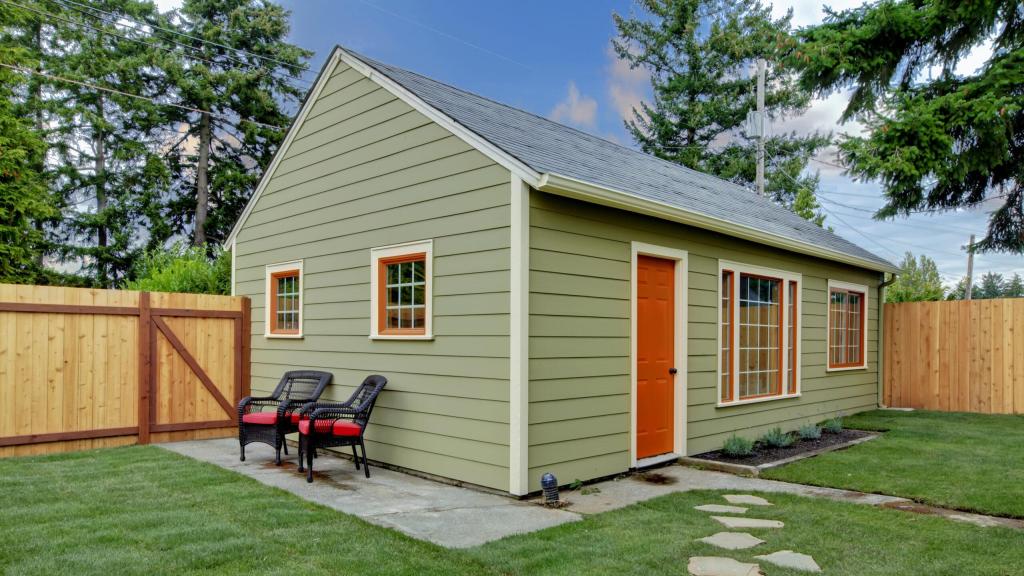
How Much Does an ADU for Aging Parents Cost in 2026?
The cost of building an ADU for aging parents depends on factors like size, location, materials, permits, and whether the unit is prefab or custom-built.
In 2026, most homeowners in the U.S. spend anywhere between $80,000 and $300,000, depending on the complexity of the project.
Here’s a general breakdown:
| ADU Type | Estimated Cost Range |
|---|---|
| Garage Conversion | $80,000–$150,000 |
| Prefab ADU | $100,000–$220,000 |
| Detached Custom ADU | $150,000–$300,000+ |
Detached units usually cost more because they require new foundations, plumbing, utility connections, and separate structural work.
According to the National Association of Home Builders, labor and material costs remain one of the biggest factors affecting ADU pricing in 2026.
Hidden Costs Many Homeowners Overlook
Beyond construction, families should also budget for:
- Permit fees
- Utility hookups
- Site preparation
- Architectural plans
- Landscaping
- Accessibility upgrades
Adding senior-friendly ADU design ideas such as walk-in showers, wider hallways, and non-slip flooring may slightly increase upfront costs but often reduces future renovation expenses.
Financing Options for ADUs
Many homeowners finance an ADU for elderly parents through:
- Home equity loans
- HELOCs
- Cash-out refinancing
- Local ADU grants or incentives
Some states and cities now offer financial assistance programs aimed at encouraging multigenerational housing and affordable ADU development.
While the upfront investment can seem high, many families view a granny flat for aging parents as a long-term asset that increases property value while reducing future caregiving costs.
ADU Zoning Laws and Permits Homeowners Need to Know
Before building an ADU for aging parents, homeowners need to understand local zoning laws and permit requirements. Rules can vary significantly depending on the city, county, and state.
Some areas fully support ADU construction, while others still have restrictions related to:
- Property size
- Parking requirements
- Maximum unit size
- Setback distances
- Utility connections
Ignoring these regulations can delay projects and increase costs.
States Making ADUs Easier in 2026
Several states are actively encouraging ADU development to address housing shortages and support multigenerational living.
For example, California has simplified approval processes and reduced restrictions for many homeowners. States like Oregon and Washington have also expanded ADU-friendly zoning policies in recent years.
These reforms are making it faster and easier to build an ADU for elderly parents without dealing with lengthy approval timelines.
Why Permits Matter
Permitted ADUs are generally safer, legally compliant, and more valuable in the long term. Unpermitted units can create problems during refinancing, insurance claims, or future home sales.
Working with local contractors or architects familiar with ADU regulations can help homeowners avoid costly mistakes early in the planning process.
Plan for Future Accessibility
Zoning approval is only one part of the process. Families should also think long-term when designing the space.
Including senior-friendly ADU design ideas during construction — such as wider doorways, step-free access, and accessible bathrooms — can make the unit more functional and future-proof.
For many homeowners, a legally approved granny flat for aging parents becomes more than just additional housing. It becomes a permanent extension of the property with long-term financial and practical value.
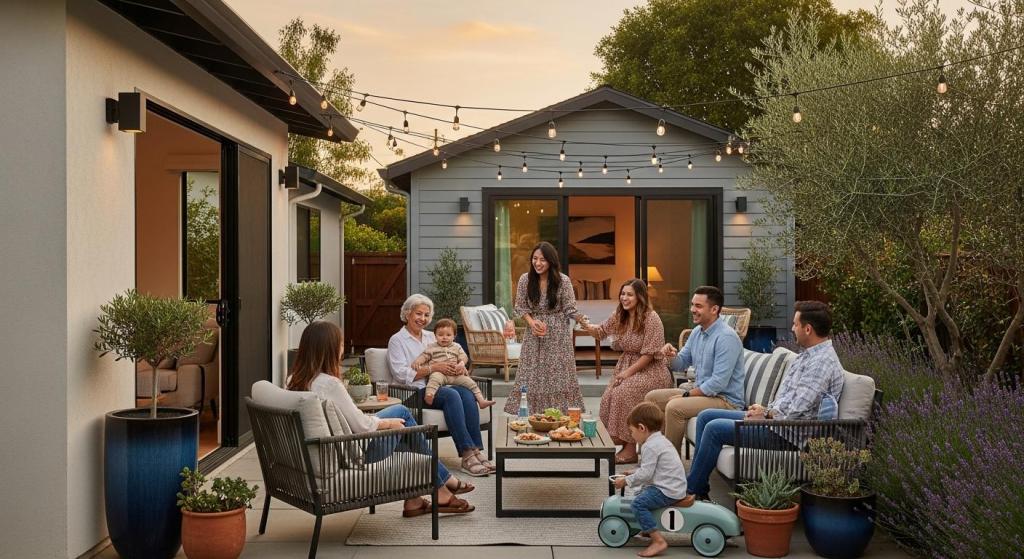
Prefab vs Custom ADU: Which Is Better for Aging Parents?
One of the biggest decisions homeowners face when planning an ADU for aging parents is choosing between a prefab unit and a custom-built design.
Both options have advantages depending on budget, timeline, and accessibility needs.
| Feature | Prefab ADU | Custom ADU |
|---|---|---|
| Cost | Usually lower | Usually higher |
| Construction Time | Faster | Longer |
| Design Flexibility | Limited | Highly customizable |
| Accessibility Features | Basic options | Fully personalized |
Prefab ADUs have become increasingly popular in 2026 because they are faster to install and often more affordable. Many companies now offer ready-made layouts specifically designed for seniors, including step-free entrances and accessible bathrooms.
For families looking for a quicker solution, prefab units can be a practical choice.
Custom ADUs, however, offer greater flexibility. Homeowners can tailor the layout around specific mobility or caregiving needs, making them ideal for long-term aging-in-place living.
A custom ADU for elderly parents may include:
- Wider turning spaces for wheelchairs
- Larger bathrooms
- Extra storage
- Private outdoor areas
- Advanced smart-home safety systems
While custom builds cost more upfront, they often provide better long-term comfort and usability.
The right choice ultimately depends on priorities. Families focused on speed and affordability may prefer prefab units, while those wanting personalized senior-friendly ADU design ideas often choose custom construction.
Either way, a well-planned granny flat for aging parents can become a valuable long-term investment that supports both family care and property value.
Common Mistakes Families Make When Building an ADU
Building an ADU for aging parents can be a smart investment, but poor planning often leads to unnecessary costs and long-term issues.
One of the biggest mistakes is ignoring future mobility needs. An ADU for elderly parents should include accessibility features from the beginning, such as step-free entrances, wider hallways, and walk-in showers. Retrofitting later is usually far more expensive.
Another common problem is overlooking local zoning and permit requirements. Delays, fines, and redesigns can quickly increase costs if homeowners fail to check regulations before construction starts.
Families also tend to underestimate the full budget. Beyond construction, expenses may include:
- Permit fees
- Utility upgrades
- Site preparation
- Accessibility modifications
Many homeowners focus heavily on appearance while overlooking practicality. The best senior-friendly ADU design ideas prioritize safety, comfort, and easy movement over luxury finishes.
Finally, families should discuss privacy and caregiving expectations early. A well-planned granny flat for aging parents should support independence while making daily life easier for everyone involved.
Is an ADU for Aging Parents Worth It?
For many homeowners, an ADU for aging parents is both a practical and financial long-term investment.
Compared to rising assisted living costs, a private backyard unit offers more flexibility, independence, and privacy while keeping loved ones close to family support. An ADU for elderly parents can also increase property value and later be converted into a rental unit, guest house, or home office.
Beyond finances, the emotional benefits matter just as much. Parents remain connected to daily family life without giving up autonomy or personal space.
The key is proper planning. Incorporating senior-friendly ADU design ideas like step-free layouts and accessible bathrooms can make the home safer and more comfortable for years to come.
As multigenerational living continues to grow in 2026, a granny flat for aging parents is becoming one of the smartest long-term housing solutions for modern families.
Conclusion
An ADU for aging parents is no longer just a housing trend — it’s becoming a practical solution for families looking to balance caregiving, privacy, and long-term financial planning.
With rising elder care costs and growing demand for multigenerational living, more homeowners are investing in flexible spaces that support independence while keeping loved ones close. Whether it’s a detached backyard cottage or a modern garage conversion, the right ADU for elderly parents can improve quality of life while adding long-term property value.
By focusing on smart planning and senior-friendly ADU design ideas, families can create a safe, comfortable space that adapts to changing needs over time.
For many households in 2026, a granny flat for aging parents isn’t just an upgrade to the property — it’s an investment in family, flexibility, and peace of mind.