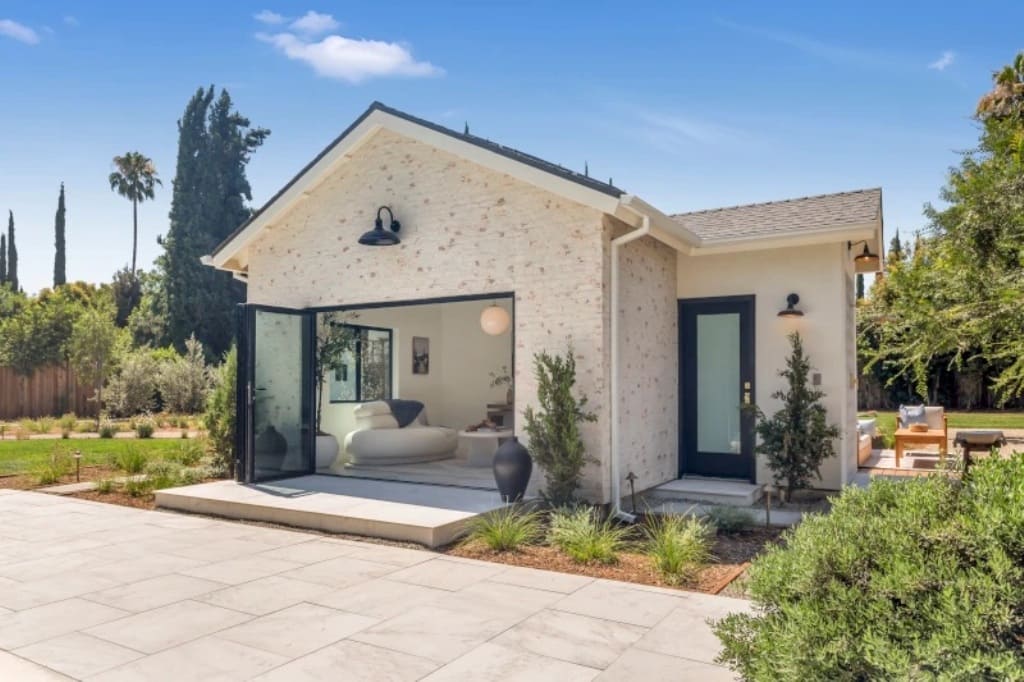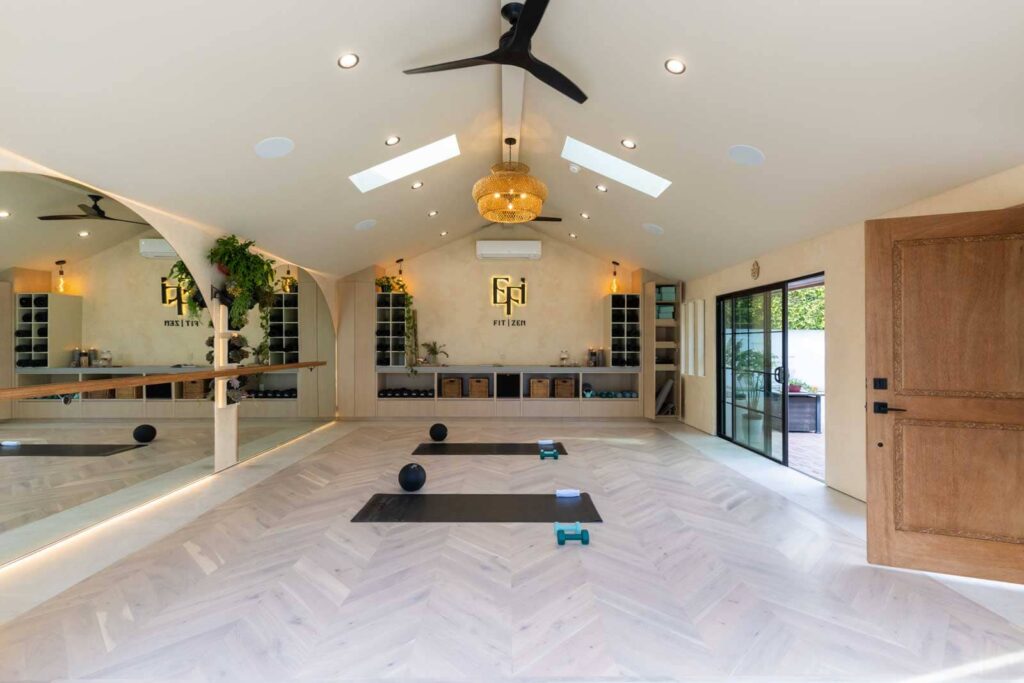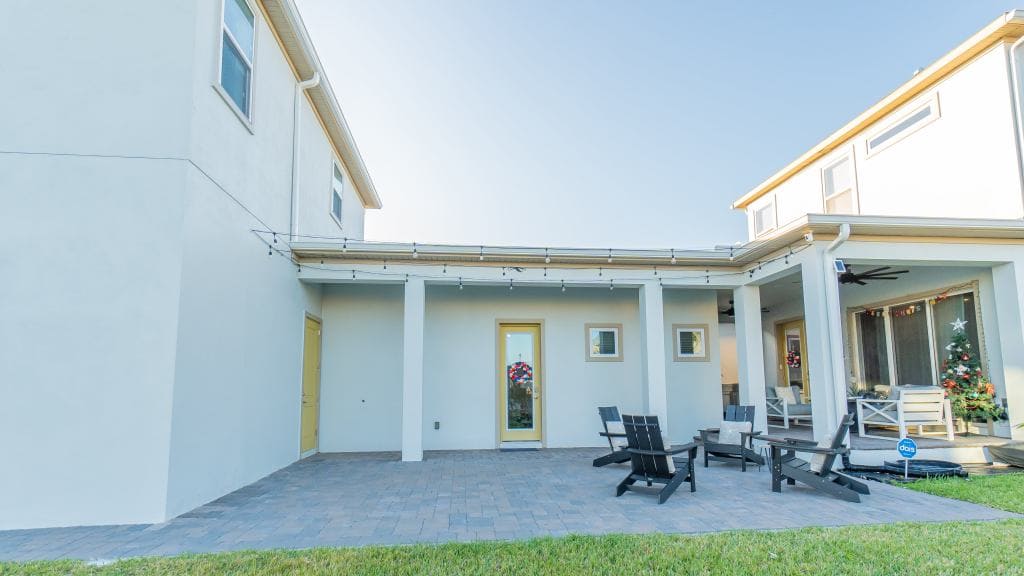
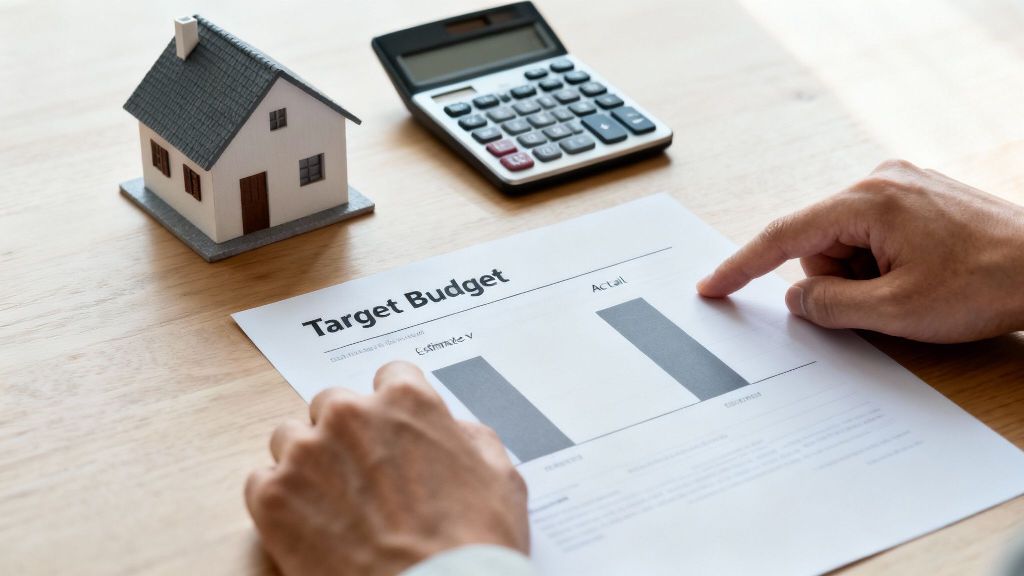
The hidden costs of building an ADU catch many homeowners off guard. While contractor estimates may look manageable upfront, the real cost to build an ADU often rises once permit fees, utility upgrades, site preparation, inspections, and design revisions enter the picture.
In 2026, rising labor costs and stricter permitting requirements are making budget overruns even more common. According to the National Association of Home Builders, construction costs continue to be affected by labor shortages and material price fluctuations across the U.S.
From unexpected ADU expenses like drainage work to overlooked ADU permit costs, many projects end up costing far more than homeowners originally planned.
This guide breaks down the most commonly overlooked expenses so you can budget realistically before construction begins.
Why ADU Budgets Often Go Over Estimate
One of the biggest reasons homeowners underestimate the cost to build an ADU is that initial contractor quotes often cover only the base construction price. Many additional expenses appear later during permits, site preparation, utility work, and inspections.
In many projects, unexpected ADU expenses come from:
- Design revisions
- Soil or drainage problems
- Utility upgrades
- Material price increases
- Permit corrections
- Change orders during construction
Labor and material costs also continue to fluctuate in 2026, especially for electrical work, HVAC systems, and windows. According to the National Association of Home Builders, labor shortages remain one of the biggest drivers of rising residential construction costs.
Another common issue is assuming every property is construction-ready. Sloped lots, older utility systems, or difficult site access can quickly increase the final budget.
This is why experienced contractors usually recommend setting aside an additional 15–20% contingency fund beyond the original estimate.
ADU Permit Costs Most Homeowners Forget
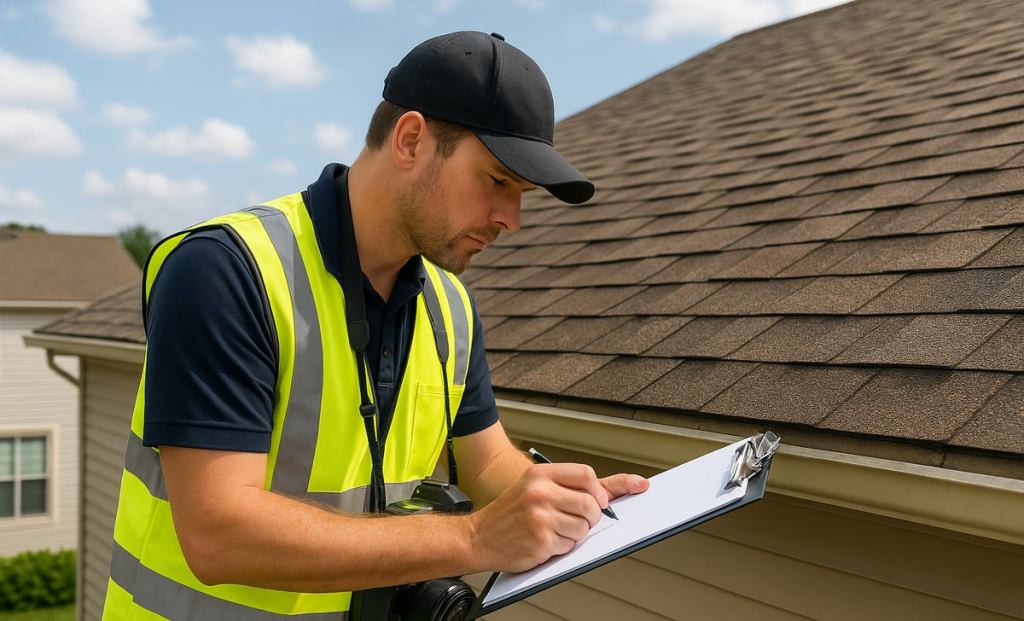
ADU permit costs are one of the most overlooked parts of the budget. Many homeowners focus only on construction pricing and fail to account for the multiple fees required before work even begins.
Common permit-related expenses include:
- Building permits
- Plan review fees
- Inspection charges
- Utility connection fees
- Impact fees in some cities
Here’s a general estimate:
| Permit-Related Expense | Estimated Cost |
|---|---|
| Building Permits | $2,000–$15,000 |
| Plan Review Fees | $1,000–$5,000 |
| Utility Hookups | $5,000–$30,000+ |
| Inspections | $500–$3,000 |
Costs vary widely depending on the city, ADU size, and utility requirements. Older properties often face higher costs because sewer lines, electrical panels, or water connections may need upgrades to meet current code standards.
According to local planning departments and permit portals, delays or corrections during the approval process can also increase costs through revised plans and additional review fees.
Site Preparation Costs That Surprise Homeowners
Site preparation is another area where unexpected ADU expenses can quickly increase the budget. Before construction starts, the property may require significant work to make the site ready and code-compliant.
Common site preparation costs include:
- Demolition and debris removal
- Excavation and grading
- Soil testing
- Drainage improvements
- Tree removal
- Foundation preparation
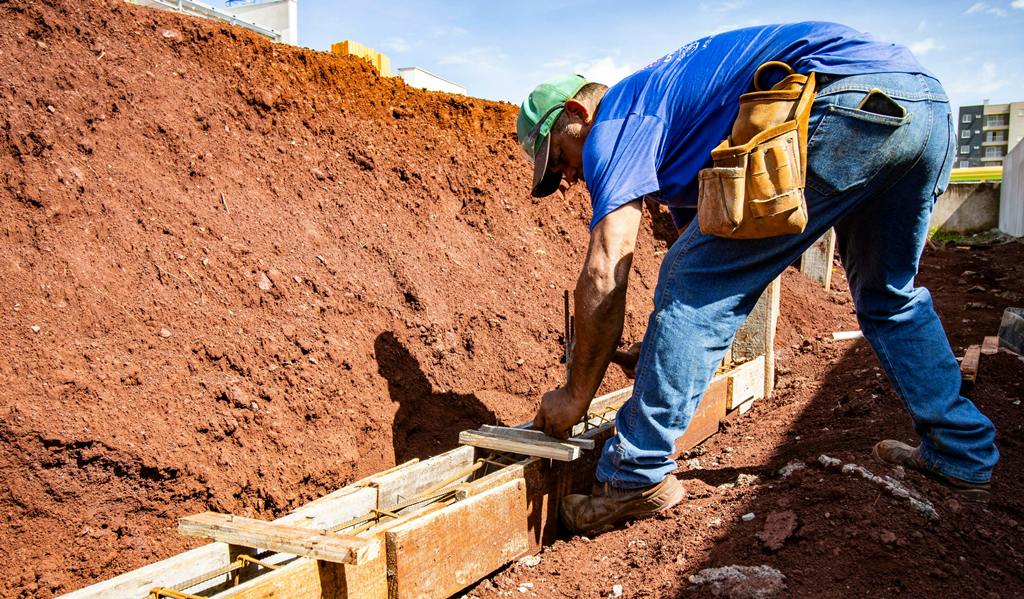
Properties with sloped terrain or poor soil conditions usually cost much more to prepare. In some cases, retaining walls or additional drainage systems may be required before the foundation can even be poured.
Older homes can also create access challenges for construction equipment, increasing labor time and delivery costs.
Many homeowners underestimate these early-stage expenses because they are rarely included in basic contractor estimates for the cost to build an ADU.
Utility Upgrades and Infrastructure Expenses
Utility work is one of the most common hidden costs of building an ADU, especially on older properties. Many homes were never designed to support a second living unit, which means existing systems may need expensive upgrades.
Common utility-related expenses include:
- Sewer line upgrades
- Water connections
- Electrical panel replacement
- Gas line extensions
- Internet and HVAC installation
Electrical upgrades alone can add thousands of dollars if the existing panel lacks enough capacity for the ADU.
Older homes often face the highest unexpected ADU expenses because outdated plumbing and electrical systems may not meet current building codes. In some cities, utility providers may also charge separate connection or capacity fees.
These infrastructure costs are often discovered only after construction planning begins, making them one of the biggest reasons ADU budgets exceed the original estimate.
Architectural, Engineering, and Design Fees
Professional design services are another major cost many homeowners underestimate early in the project.
Before permits can be approved, most ADUs require:
- Architectural drawings
- Structural engineering plans
- Site surveys
- Energy compliance reports
- Permit-ready construction documents
These services can cost several thousand dollars depending on the complexity of the project.
Design revisions are also a common source of unexpected ADU expenses. Small layout changes, zoning corrections, or updated permit requirements may require architects and engineers to revise plans multiple times before approval.
According to the American Institute of Architects, rising demand for residential design services has also contributed to higher architectural costs in many housing markets.
While some homeowners try to reduce expenses by using generic plans, poorly prepared drawings often lead to permit delays and additional revision fees later.
Material Price Fluctuations and Labor Costs in 2026
Material and labor costs remain one of the least predictable parts of the cost to build an ADU in 2026. Even after signing a contractor agreement, pricing can still change during construction.
Commonly affected items include:
- Lumber
- Windows and doors
- HVAC systems
- Appliances
- Electrical components
According to the National Association of Home Builders, labor shortages and supply chain disruptions continue to affect residential construction pricing across the U.S.
Skilled trades such as electricians, plumbers, and HVAC technicians are especially in high demand, which can increase labor costs and slow project timelines.
Many homeowners are surprised when contractor quotes rise mid-project due to material shortages, delayed shipments, or scope changes. This is why fixed-price contracts and contingency budgeting have become increasingly important for ADU projects.
Landscaping, Driveways, and Exterior Finishing Costs
Many homeowners focus so heavily on the ADU itself that they forget to budget for exterior work after construction is complete.
Common finishing costs include:
- Landscaping restoration
- Fencing
- Walkways and patios
- Driveway modifications
- Exterior lighting
- Drainage improvements
In some cities, property owners may also need additional parking adjustments or stormwater management upgrades to meet local regulations.
These final touches can add thousands of dollars to the project, especially after heavy construction equipment damages existing yards or hardscaping.
By the time construction is nearly finished, many homeowners have already exhausted most of their budget, making these overlooked expenses one of the most frustrating hidden costs of building an ADU.
Financing Costs and Interest Payments
Financing is another area where the hidden costs of building an ADU can quietly add up over time.
Many homeowners use:
- Home equity loans
- HELOCs
- Construction loans
- Cash-out refinancing
But longer construction timelines often mean paying more in interest, loan fees, and monthly carrying costs.
Permit delays, inspection issues, or contractor scheduling problems can extend projects for months beyond the original timeline. As a result, financing expenses may increase significantly before the ADU is even completed.
Some lenders also charge:
- Origination fees
- Appraisal costs
- Draw inspection fees
- Closing costs
Homeowners who budget only for construction expenses often overlook these financial costs entirely, which can make the total cost to build an ADU much higher than expected.
Hidden Maintenance Costs After the ADU Is Finished
The expenses don’t stop once construction is complete. Many homeowners overlook the long-term costs of maintaining and operating an ADU.
Common ongoing expenses include:
- Higher utility bills
- Property tax increases
- Insurance adjustments
- Routine maintenance and repairs
- Landscaping upkeep
Rental ADUs may also come with tenant-related costs such as repairs, vacancy periods, and appliance replacement over time.
Older or heavily used units typically require more maintenance, especially for plumbing, HVAC systems, and exterior finishes exposed to weather.
While these costs are usually smaller than construction expenses, they still affect the long-term return on investment and should be considered before starting the project.
How to Avoid Unexpected ADU Expenses
While some costs are unavoidable, careful planning can prevent many of the most common budget surprises.
Here are a few practical ways to reduce unexpected ADU expenses:
- Build a 15–20% contingency fund
- Work with experienced ADU contractors
- Finalize plans before construction starts
- Review zoning and utility requirements early
- Request detailed written estimates
- Avoid frequent design changes
Many homeowners choose the cheapest contractor to reduce upfront costs, but unclear contracts and unrealistic pricing often create bigger expenses later through delays, revisions, and change orders.
Researching ADU permit costs early and understanding local regulations can also help avoid expensive corrections during the approval process.
In most cases, realistic budgeting and proper planning are the best ways to keep the project financially manageable.
Is Building an ADU Still Worth It in 2026?
Despite rising construction and permit costs, many homeowners still see ADUs as a valuable long-term investment.
An ADU can provide:
- Rental income
- Extra living space
- Higher property value
- Flexible housing for family members
In strong housing markets, rental income may help offset mortgage payments and property taxes over time.
However, understanding the hidden costs of building an ADU is essential before starting construction. Projects that are planned carefully are far less likely to face expensive surprises later.
FAQs About Hidden ADU Costs
What is the biggest hidden cost of building an ADU?
Utility upgrades and site preparation are often the most expensive unexpected ADU expenses, especially on older properties.
Why do ADU permit costs vary so much?
Permit fees depend on the city, ADU size, utility requirements, and local impact fees. Some areas also require additional inspections and plan reviews.
How much extra should I budget for surprises?
Many contractors recommend setting aside an additional 15–20% contingency fund beyond the original construction estimate.
Do prefab ADUs reduce hidden costs?
Prefab ADUs may reduce construction time and labor costs, but permits, utility hookups, and site preparation can still add significant expenses.
Are ADUs still profitable in 2026?
In many housing markets, ADUs can still generate long-term rental income and increase property value despite higher upfront costs.
Conclusion
The hidden costs of building an ADU can add thousands of dollars to a project if homeowners focus only on basic construction estimates. Permit fees, utility upgrades, site preparation, financing charges, and design revisions are some of the most common expenses that get overlooked early in the process.
Understanding the real cost to build an ADU in 2026 requires more than comparing contractor quotes. Careful planning, realistic budgeting, and working with experienced professionals can help prevent costly surprises later.
While ADUs still offer strong long-term value through rental income and added property space, homeowners who prepare for unexpected ADU expenses are far more likely to stay on budget and avoid major financial stress during construction.