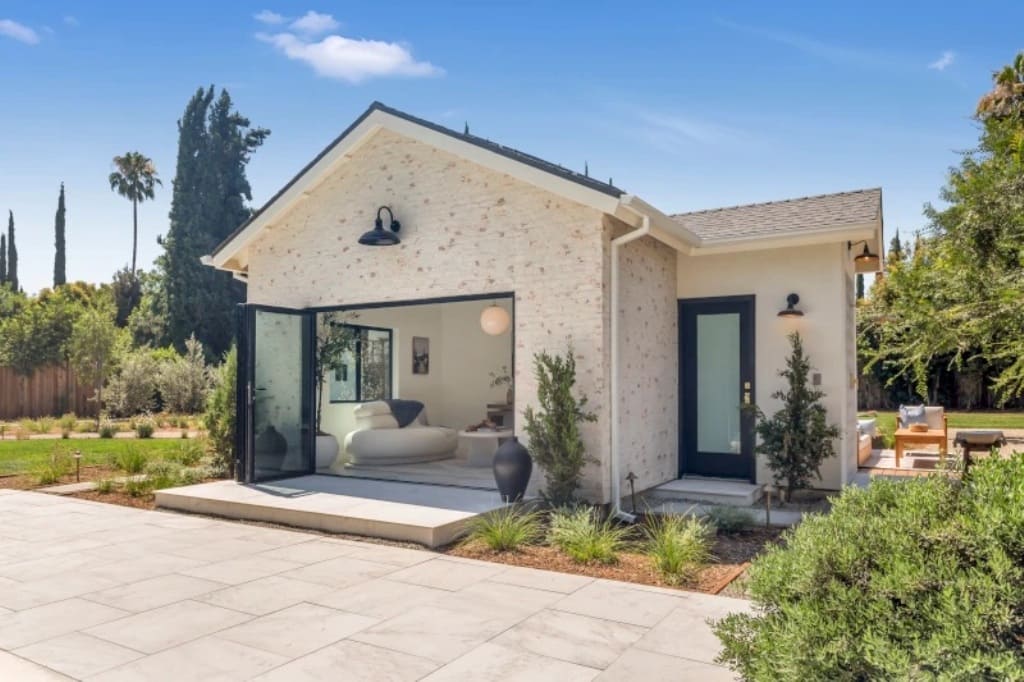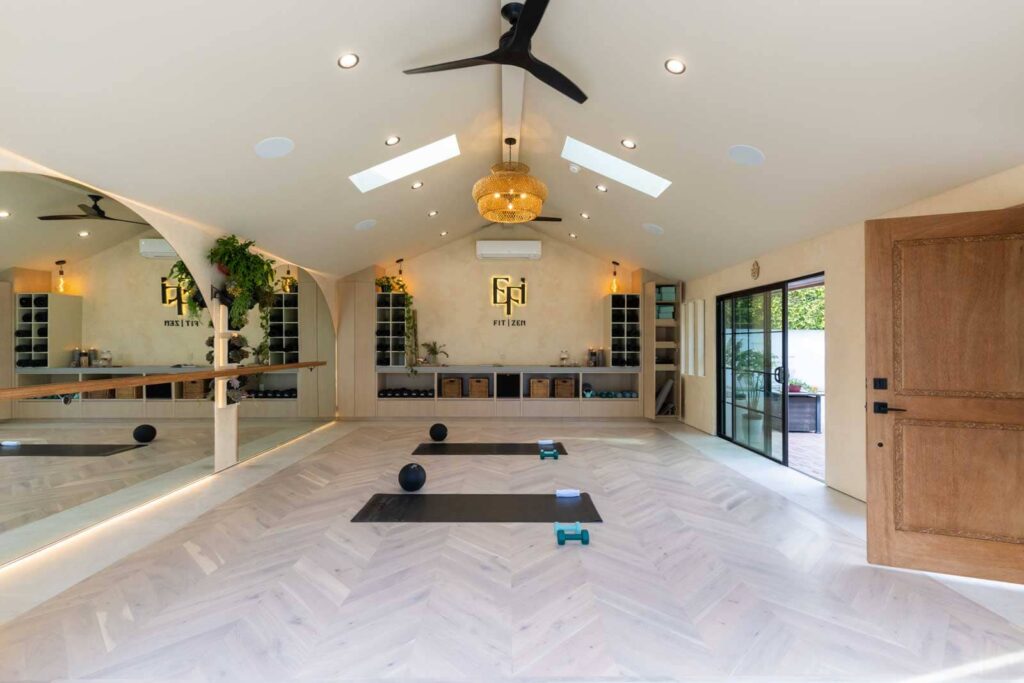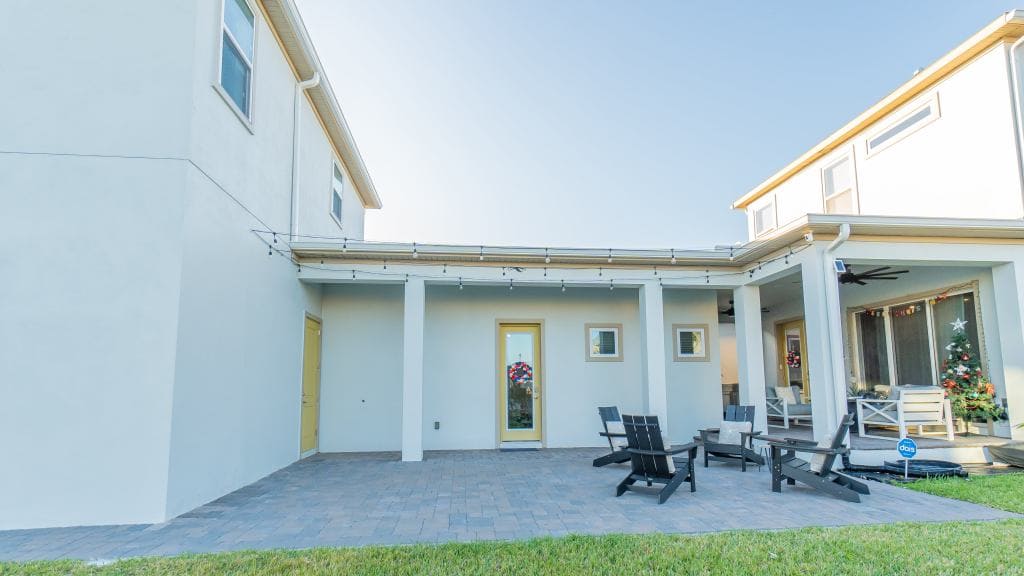

A significant share of ADU construction has nothing to do with rental income. It’s built for a parent who needs to be closer to family, an adult child saving for their own home, or a caregiver who needs to live on-site. Multigenerational ADU Financing options for parents or another family member is a different financial conversation than financing a pure rental investment — and a growing number of states have built specific programs to support exactly this use case.
The challenge is that this landscape shifts constantly, and a lot of the information circulating online is outdated the moment it’s published. This guide covers what’s genuinely active in 2026, what’s paused despite still appearing in search results, and how to evaluate the full range of grants, tax breaks, and loan products available for a family-focused ADU build.
Use the FindADUPros ADU Loan Calculator to model your specific financing scenario before applying to any program below.
Why Multigenerational ADU Financing Looks Different
A rental-focused ADU project gets underwritten around projected income — how much the unit will rent for, and whether that income supports the loan payment. A multigenerational build often doesn’t generate rental income at all, which changes what lenders and grant programs are actually evaluating.
This is precisely why state grants for building ADU 2026 programs frequently target income-qualified households and explicitly reference multigenerational and aging-in-place use cases in their program language — the public policy goal isn’t generating rental units, it’s keeping families together, keeping seniors out of higher-cost care facilities, and using existing land more efficiently without requiring a resident to have high rental income to qualify for financing.

State Grant Programs: What’s Actually Active in 2026
This is the section where accuracy matters most, because outdated grant information wastes real time and can derail a homeowner’s financial planning.
California: The CalHFA Grant Is Paused — Confirm Before You Plan Around It
The CalHFA ADU Grant Program, which provided up to $40,000 for ADU predevelopment costs for low- and moderate-income households, launched with roughly $100 million in funding. As of 2026, it is paused and not accepting new applications due to funding exhaustion — there is no confirmed relaunch date.
This is worth stating plainly because conflicting information about this program is genuinely common online. Some construction company blogs still describe the California grant as “going strong in 2026,” while CalHFA’s own site confirms the funding was fully allocated back in December 2023. Both claims technically originate from real pages — one just hasn’t been updated. If you’re making financial plans around this specific grant, verify directly through CalHFA or a participating lender rather than trusting a builder’s marketing page. Some California cities and counties maintain their own local ADU assistance programs even with the statewide grant paused — check with your local housing authority directly.
Massachusetts: A New, Genuinely Active Program
Massachusetts launched an active ADU financing program through MassHousing in 2026, offering fixed-rate second mortgages of up to $250,000 through participating community lenders. The program was explicitly framed around supporting multigenerational living and helping seniors stay close to family — language pulled directly from the state’s own announcement. Unlike a straight grant, this is a loan product, but the state-backed structure and community lender network are specifically designed to make ADU financing accessible to homeowners who don’t have significant existing equity.
Colorado: Local Government Grants With a Homeowner-Facing Financing Layer
Colorado’s Accessory Dwelling Unit Grant Program (ADUG) funds local governments rather than individual homeowners directly, but it creates a downstream benefit for residents. Local governments that receive ADUG funding become “ADU Supportive Jurisdictions,” and homeowners and borrowers in those jurisdictions become eligible for ADU Finance Programs offered through participating lenders — including an ADU Interest Rate Buydown Program and an ADU Credit Enhancement Program. Approximately $1.6 million in grant funding was available for the 2025–2026 fiscal year, with a third funding round opening August 3, 2026. Check whether your specific Colorado municipality has applied for and received ADUG designation, since the homeowner-facing financing benefits only apply within supportive jurisdictions.
New York: NYC’s Plus One Program
New York City relaunched its Plus One ADU program on March 18, 2026, offering up to $395,000 in combined financial support and technical assistance for qualifying homeowners of 1-to-3 family homes. This is one of the more substantial city-level programs currently active nationally, and it includes hands-on technical assistance in addition to direct financial support — valuable for homeowners navigating a multigenerational build for the first time without construction experience.
Federal Programs Worth Checking
HUD’s HOME Investment Partnerships Program provides grants to states and local governments to fund affordable housing initiatives, including ADU development for low-income families, seniors, and individuals with disabilities — though funds flow through state and local administering agencies rather than directly to homeowners, so availability depends entirely on your specific area’s current allocation. USDA Rural Housing Service grants are available for ADU construction specifically in qualifying rural areas, aimed at improving housing affordability in communities outside major metros. HUD’s Section 202 program supports supportive housing specifically for low-income seniors, and Section 811 does the same for individuals with disabilities — both can intersect with multigenerational ADU planning depending on household composition.

How to Verify a Grant Program Before You Plan Around It
Given how much outdated information circulates, use this verification sequence before budgeting around any specific program:
- Go directly to the administering agency’s website — not a construction company’s blog, not a general grants aggregator site
- Check the specific funding round dates and current status — many state and local programs run in defined application windows rather than being continuously open
- Confirm income limits and occupancy requirements — most programs require the homeowner to occupy the property and continue living there during construction, and income limits typically vary by county or region
- Ask whether the grant can be layered with private financing — some programs, like CalHFA’s structure, required a construction loan from an approved lender specifically because the grant piggybacked on that loan; other programs allow layering a rebate or fee waiver with financing you arrange independently
- Confirm current documentation requirements — most programs require proof of ownership (a recorded deed), income verification (W-2s, tax returns, pay stubs), and proof of occupancy through a utility bill
Tax Considerations for a Family-Occupied ADU
Most housing-assistance grants used for owner-occupant purposes are not treated as taxable income, though this depends on the specific program and your individual tax situation — consult a tax professional before assuming a grant is entirely tax-free.
Beyond grant taxation, building an ADU for a family member has specific property tax implications worth understanding. Adding a legal dwelling unit typically triggers a property tax reassessment in most states, since the county assessor adds the new structure’s value to your existing assessment. For a multigenerational build with no rental income to offset that increase, this is worth modeling explicitly rather than discovering after the fact — though in most cases, even without rental income, the added property value and quality-of-life benefit for the family member living there outweighs a modest annual tax increase.
Some jurisdictions apply reduced tax treatment specifically for ADUs occupied by qualifying family members or seniors — check whether your state or county offers this, since it varies significantly and isn’t consistently available nationwide.
Loan Products for Family Backyard Cottage Builds
Beyond grants, several loan categories work specifically well for family backyard cottage loans where the unit won’t generate rental income to support the debt:
HELOCs and home equity loans remain the most common financing path, evaluated purely against your home’s existing equity rather than the ADU’s future rental income — appropriate for a family-occupied unit where there’s no rent to underwrite against.
Renovation loans like Fannie Mae HomeStyle or FHA 203(k) lend against the property’s projected value after the ADU is complete, which can help homeowners without significant existing equity. Because these programs typically allow counting a portion of projected ADU rental income for qualification purposes, a family-occupied unit without rental income may need to rely more heavily on the household’s own income to qualify — worth discussing directly with a loan officer familiar with these products.
Reverse mortgages and HECM for Purchase are increasingly used by senior homeowners specifically to fund ADU construction or renovations that support aging in place, tapping home equity without a traditional monthly repayment obligation. This has become a genuinely notable trend as the senior homeowner population grows and reverse mortgage professionals field more renovation-related financing questions specifically tied to multigenerational living arrangements.
Use the FindADUPros ADU Cost Calculator to establish a realistic project budget before approaching any lender, and verify any contractor you’re considering through the FindADUPros Contractor License Lookup before signing a construction contract.

The Bottom Line
Multigenerational ADU financing genuinely differs from investment-focused ADU financing, and 2026 offers real, active programs in several states — Massachusetts’s new second mortgage product, Colorado’s local government-driven financing benefits, and New York City’s substantial Plus One program among them. California’s much-discussed statewide grant remains paused despite persistent outdated claims online, which makes direct verification with the administering agency essential before you build a budget around any specific program.
Whether you pursue a state program, a federal grant pathway, or a private loan product evaluated on household income rather than rental projections, the underlying math for a family-occupied ADU is usually favorable — even without rental income, the property value increase and the quality-of-life benefit for the family member living there typically outweigh the modest ongoing tax increase.
For vetted contractors experienced with multigenerational ADU builds, visit FindADUPros.
Frequently Asked Questions
Are there current grants for building an ADU for aging parents in 2026?
It depends heavily on your state. Massachusetts has an active MassHousing financing program offering fixed-rate second mortgages up to $250,000, explicitly framed around multigenerational living. Colorado’s ADUG program creates homeowner-facing financing benefits in participating jurisdictions. California’s statewide CalHFA grant is currently paused. Always verify directly through the administering agency before planning around any specific program.
Is the California ADU grant still available in 2026?
No — the CalHFA ADU Grant Program is paused and not accepting new applications as of 2026, with its original $100 million in funding fully allocated back in 2023. There’s no confirmed relaunch date. Some outdated sources still describe it as active; verify current status directly through CalHFA rather than a construction company’s marketing materials.
How is financing different for a multigenerational ADU versus a rental ADU?
Rental-focused ADU loans are typically underwritten against projected rental income. A multigenerational ADU often generates no rental income, so financing relies more heavily on existing home equity (HELOCs, home equity loans) or the household’s overall income (renovation loans like HomeStyle or 203(k)). Grant programs targeting multigenerational and aging-in-place use cases don’t require rental income qualification at all.
Do I have to pay taxes on a housing grant used to build an ADU for a family member?
Most housing-assistance grants used for owner-occupant purposes are not treated as taxable income, but this depends on the specific program and your individual situation. Consult a tax professional to confirm treatment for your specific grant and circumstances before assuming it’s automatically tax-free.
Can seniors use a reverse mortgage to finance an ADU?
Yes — this is an increasingly common financing path. Seniors can tap home equity through a traditional reverse mortgage, a proprietary reverse mortgage product, or the HECM for Purchase program to fund ADU construction supporting aging in place, without taking on a traditional monthly repayment obligation. This is worth discussing with a reverse mortgage specialist alongside more traditional financing options.