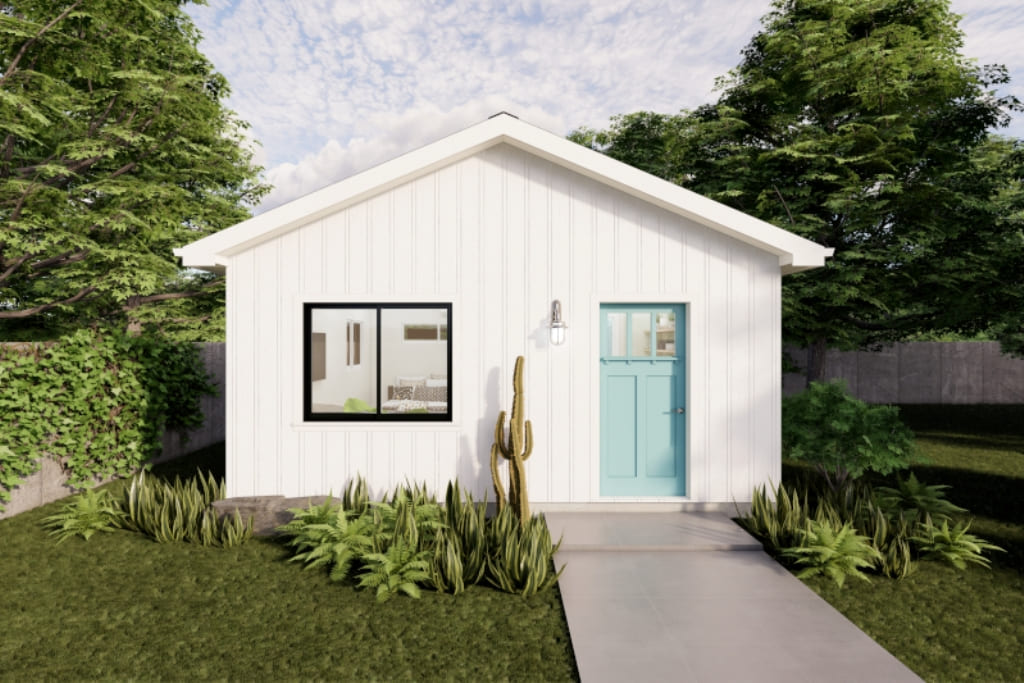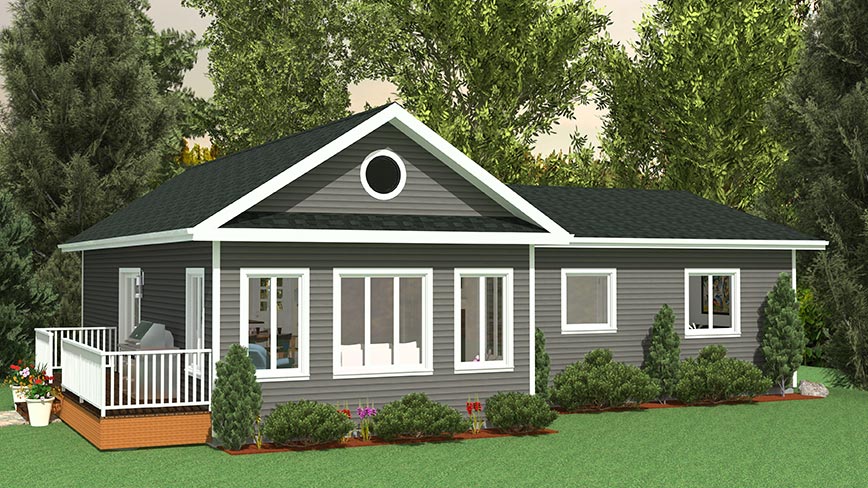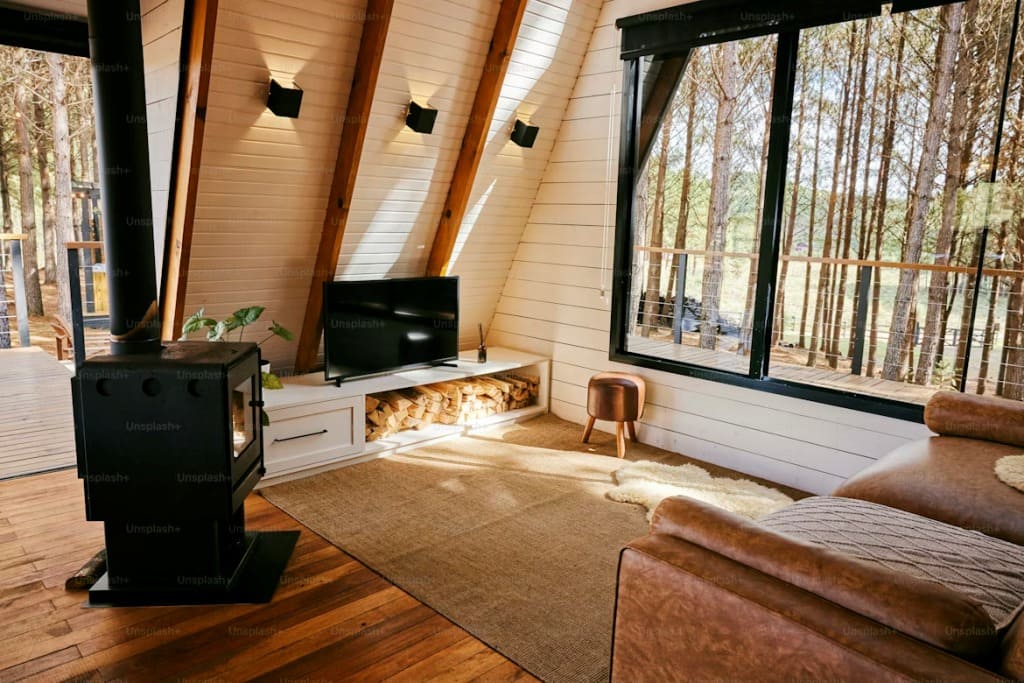
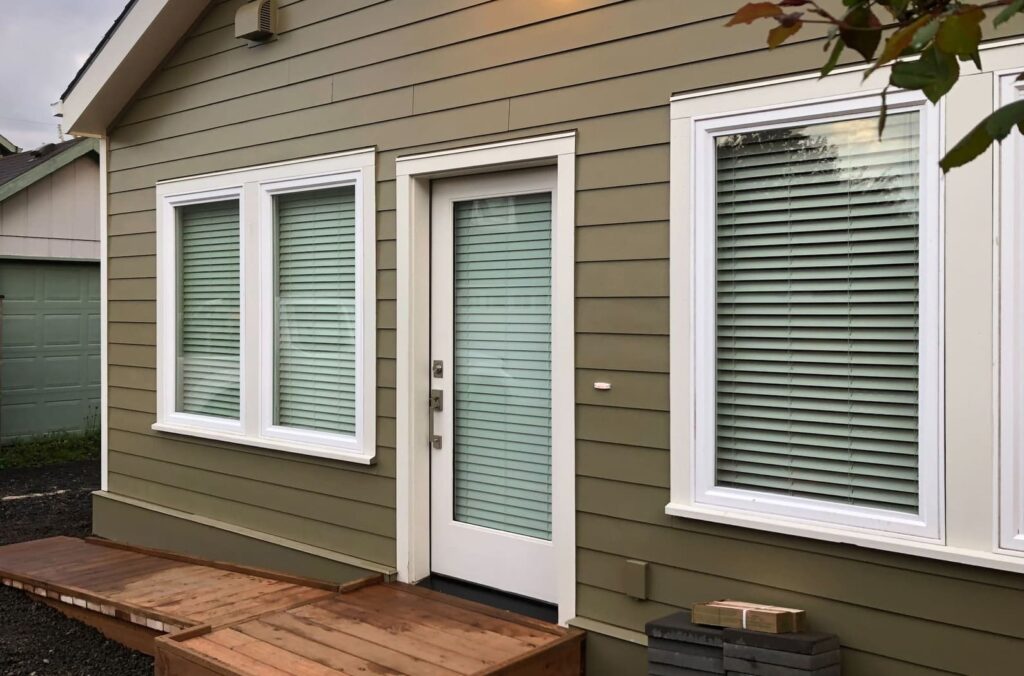
If you’re planning an ADU — whether it’s a ground-up build or a garage conversion — windows are easy to treat as an afterthought. Most budgets get eaten up by foundation work, plumbing, electrical, and permits long before anyone thinks hard about glass. That’s a mistake. Window choice affects your energy bills for decades, can determine whether your unit passes permit inspection, and plays a bigger role in how “livable” the space feels than almost any other single decision in the build.
Here’s what actually matters, and why it’s worth spending real time on this decision instead of defaulting to whatever’s cheapest at the supply store.
Why windows matter more in an ADU than in a regular room addition
An ADU is a small, self-contained living space — often 400 to 1,200 square feet. In a space that compact, every window does more work than it would in a larger home:
- Heat loss and gain are amplified. A poorly insulated window in a 150-square-foot bedroom addition is a rounding error on your energy bill. The same window in a 500-square-foot ADU, where it might represent 10-15% of your total exterior wall area, has an outsized effect on heating and cooling costs.
- Natural light determines whether the space feels livable or cramped. ADUs already sacrifice square footage; good window placement is often the difference between a unit that feels like a real home and one that feels like a converted storage space.
- Resale and rental value hinge on it. If you’re renting the ADU out or planning to sell the property later, natural light and visible window quality are two of the first things prospective tenants and buyers notice.
See if you qualify for the Renewal by Andersen offer
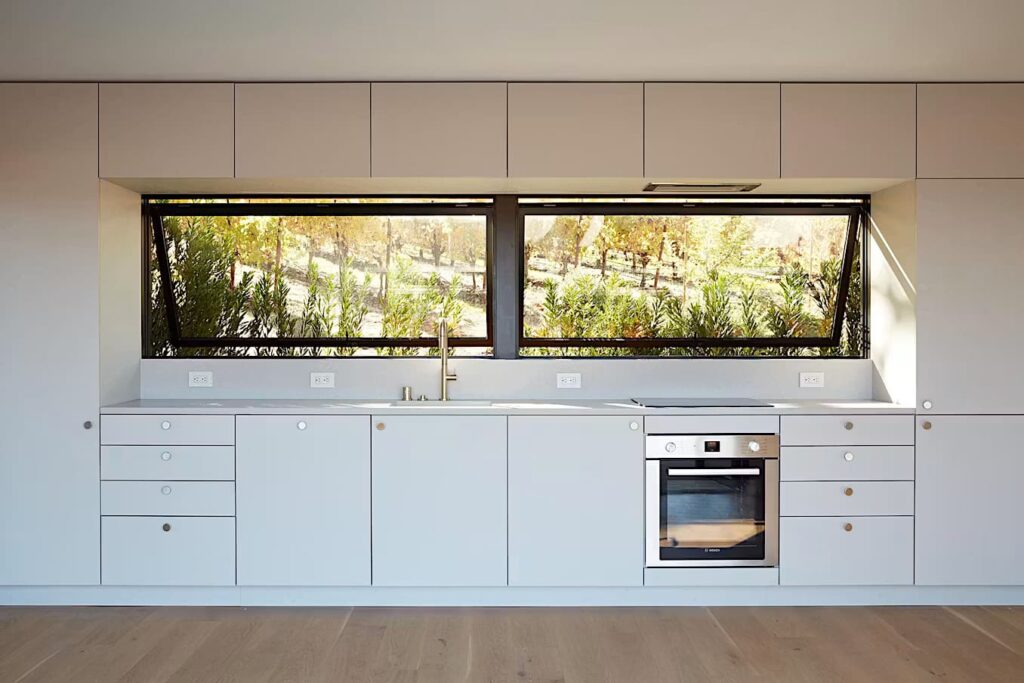
Energy codes aren’t optional in most cities
Many jurisdictions require ADUs to meet the same energy code as the main house, which usually means specific U-factor and Solar Heat Gain Coefficient (SHGC) ratings on any window you install. California’s Title 24 is the most well-known example, but plenty of other states — including Washington, Oregon, and much of the Northeast — have comparable requirements baked into local building codes.
Skipping this isn’t just a compliance issue. Inspectors will catch it, and you’ll be paying to swap out non-compliant windows after the fact, which costs far more than getting it right the first time. It also directly hits your tenant’s or your own utility bill every month for as long as the ADU stands.
If you’re not sure what your city requires, check our ADU Laws & Permits guide for jurisdiction-specific breakdowns, or ask your contractor directly before finalizing window selections — this is one of those details that’s much cheaper to get right at the design stage than to fix after installation.
Garage conversions have unique challenges
If your ADU started life as a garage, you’re dealing with a structure that was never designed to be a living space, which creates a few specific window problems:
- The garage door opening itself. That large opening typically becomes a wall, and you’ll need to decide how much of it becomes window versus solid wall. Too little glass and the room feels like a cave; too much and you’re fighting insulation and privacy issues.
- Limited existing window placement. Garages usually have zero or minimal windows to begin with, so you’re cutting new openings into the structure — which means more construction cost, but also more control over where light actually goes.
- Egress requirements. Any bedroom in the ADU needs at least one window that meets minimum opening size and maximum sill-height requirements for emergency exit. This isn’t negotiable and gets checked during inspection — it’s worth confirming with your contractor early rather than discovering a problem after drywall goes up.
- Existing insulation gaps. Garages are rarely insulated to residential standards. If you’re not also addressing wall and ceiling insulation as part of the conversion, even a great window won’t compensate for heat escaping everywhere else.
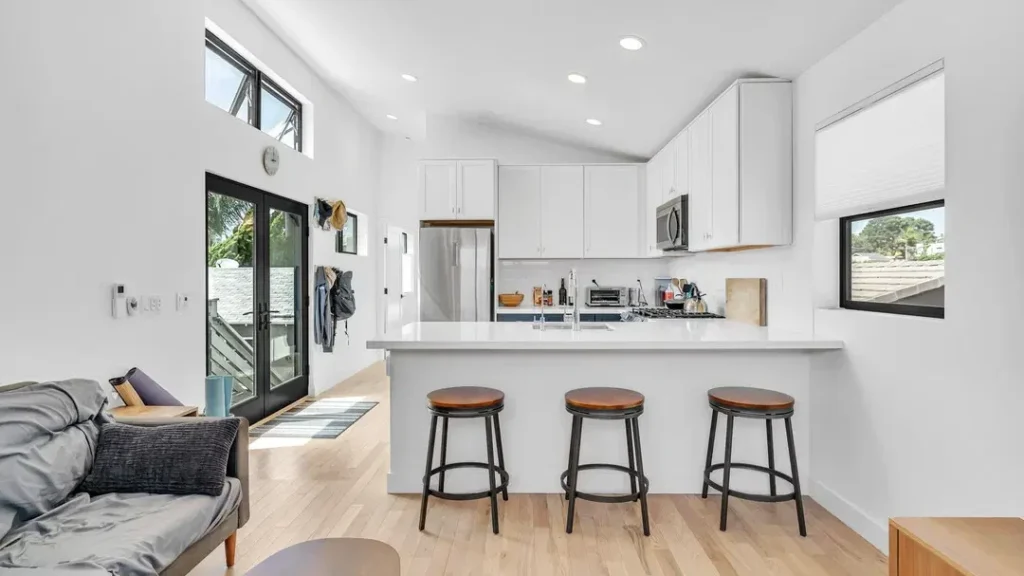
What to actually look for when choosing windows
U-factor measures how well a window insulates — lower numbers mean better insulation. This matters most in colder climates where you’re fighting heat loss for months at a time.
Solar Heat Gain Coefficient (SHGC) measures how much solar heat passes through the glass. Lower SHGC is better in hot climates where you’re trying to keep the unit cool; higher SHGC can actually help in colder climates by letting in passive solar heat.
Double vs. triple pane. Triple-pane windows cost more upfront — often 10-20% more than double-pane — but the difference pays off in climates with extreme temperature swings. In milder climates, double-pane is usually sufficient and a better value.
Frame material. Vinyl is the most budget-friendly and low-maintenance option. Fiberglass and wood-clad frames cost more but tend to last longer and perform better thermally. For an ADU, where you’re often optimizing for cost-efficiency, vinyl is a reasonable default unless you’re matching an existing architectural style.
Installation quality. This is the detail people skip, and it’s arguably as important as the window itself. A high-performance window installed with poor flashing or air sealing will leak air around the frame, undermining the U-factor rating you paid extra for. Ask any contractor you’re considering how they handle flashing and air sealing specifically — a vague answer is a red flag.
Rough cost expectations
Window costs for an ADU project vary widely based on size, material, and how many openings you’re adding, but as a general range: expect somewhere between $500 and $1,500 per window installed, including labor, for mid-range vinyl or fiberglass options. Garage conversions that require cutting new openings into existing walls will run toward the higher end of that range, since you’re paying for structural work in addition to the window itself.
Frequently asked questions
Do ADU windows need to meet the same code as the main house? In most jurisdictions, yes. ADUs are typically held to the same energy code as the primary residence, which means matching U-factor and SHGC requirements. Check with your local building department or your contractor before finalizing window selections.
How many windows does an ADU typically need? It depends on layout and local code, but most ADUs need at least one window per habitable room, plus a code-compliant egress window in any bedroom. A 500-square-foot studio ADU might have 3-5 windows total; a one-bedroom unit will usually need at least one more for the bedroom’s egress requirement.
Is it worth paying more for triple-pane windows? Only in climates with significant temperature extremes. If you’re in a mild climate, the extra 10-20% cost of triple-pane windows usually doesn’t pay for itself. In very cold or very hot climates, the long-term energy savings can justify the upfront cost.
Can I use the garage door opening as a window instead of replacing it entirely with wall? Some conversions do install large glass panel systems in place of the garage door for a modern, light-filled look. This costs more than a standard window installation and has different structural and insulation considerations, so it’s worth discussing directly with your contractor early in planning.
Does window choice affect ADU resale value? Yes, though it’s hard to quantify precisely. Buyers and renters notice natural light and window quality quickly, and a poorly lit or drafty ADU is a harder sell regardless of how nice the rest of the unit is.
A current offer worth checking out
If you’re in the window-shopping stage (pun intended), Renewal by Andersen is currently running a buy-one-window-or-door-get-one-40%-off promotion, with a free in-home consultation to assess what your specific ADU project needs.
See if you qualify for the Renewal by Andersen offer
This post contains an affiliate link. We may earn a commission if you make a purchase, at no additional cost to you.
Offer details: Buy one (1) window or entry/patio door, get one (1) window or entry/patio door 40% off when you purchase four (4) or more windows or patio/entry doors by 12/31/2026. Savings comparison based on purchase of a single unit at list price. Available at participating locations; offer applies throughout the service area.