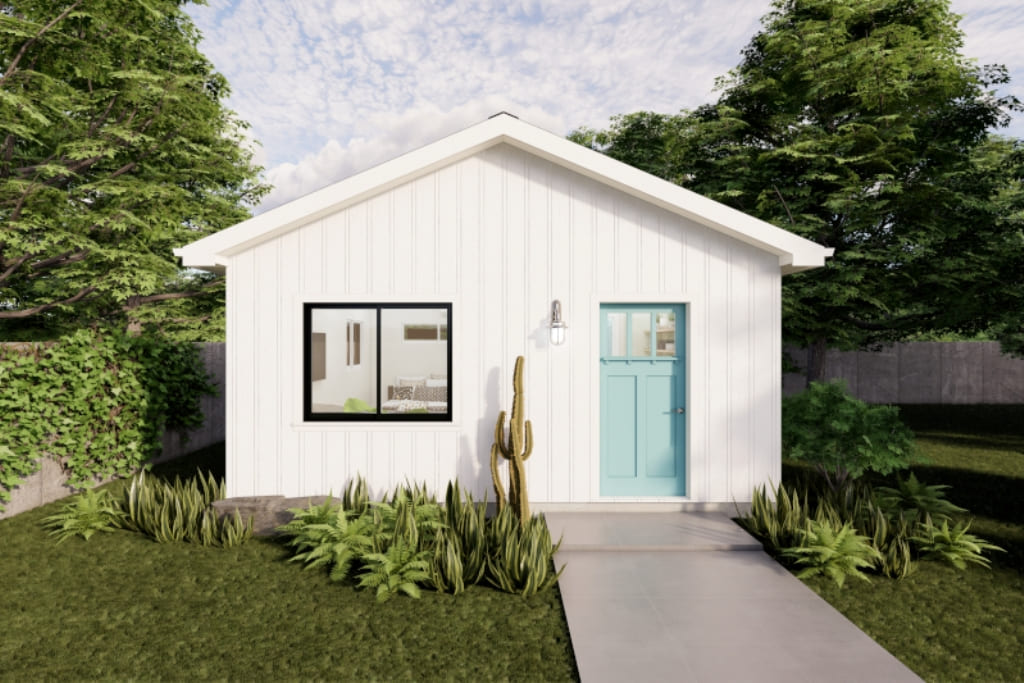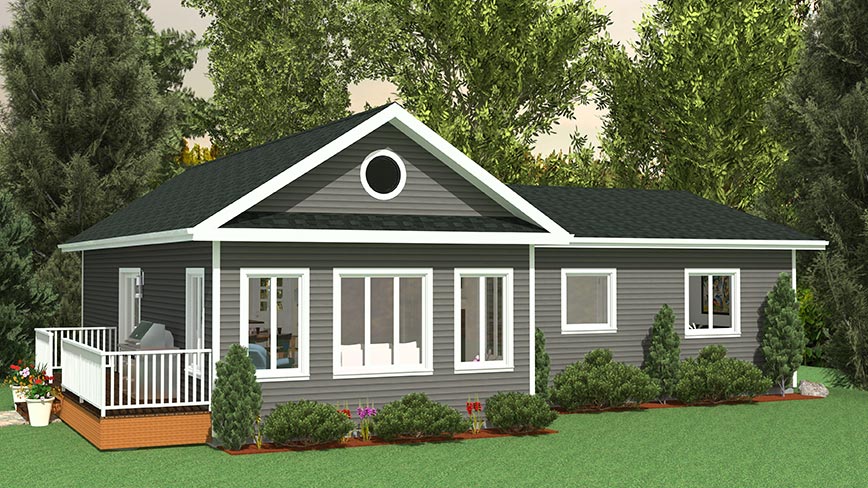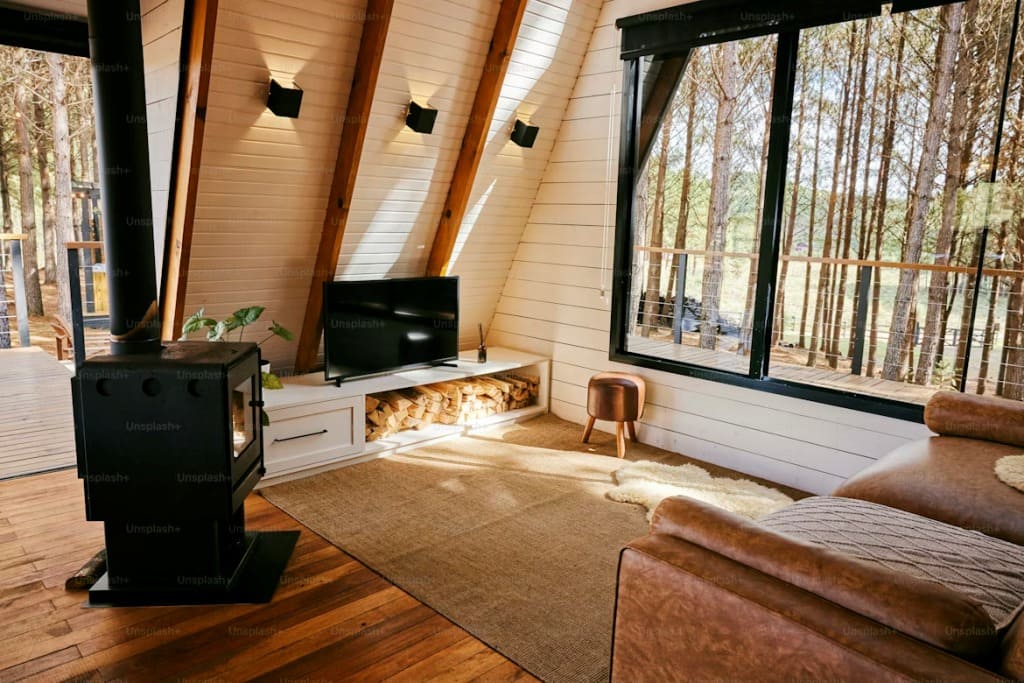
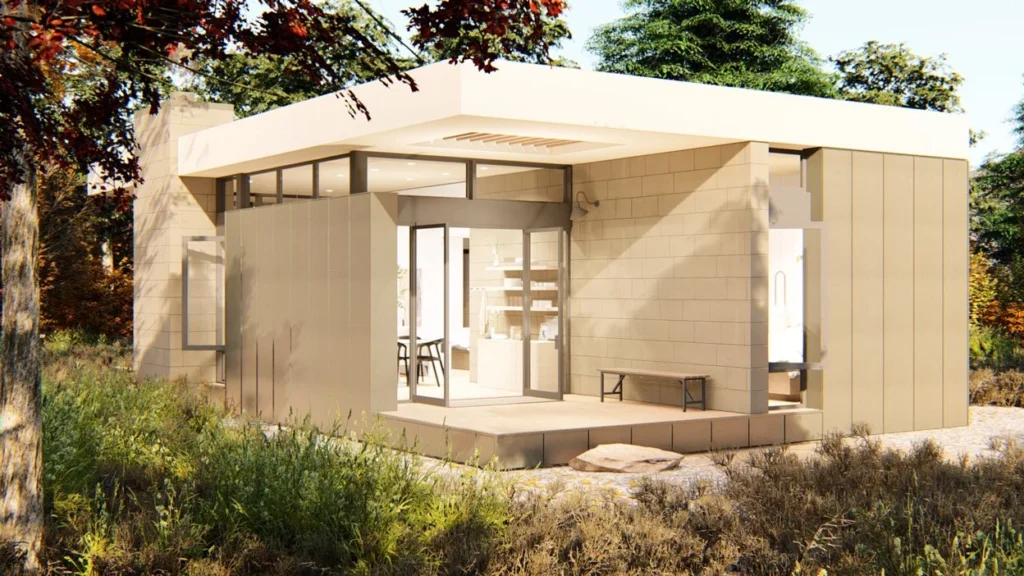
The word “accessory” has never been less accurate. Today’s best luxury ADU designs aren’t accessories to anything — they’re fully resolved, architecturally intentional homes that happen to share a property with another structure. Vaulted ceilings, imported stone surfaces, flush-sill sliding glass walls, spa-grade bathrooms, and concealed smart-home systems are no longer reserved for primary residences. In 2026, they’re appearing in 600–1,200-square-foot backyard homes that outperform most full-size houses on design quality.
The shift is being driven by homeowners who understand what a well-designed ADU actually does: it commands premium rents, attracts better long-term tenants, appraises higher at resale, and — when housing a family member — functions as a genuine home rather than a glorified spare room.
This guide covers the specific architectural decisions, structural systems, and material choices that define high-end ADU ideas in 2026 — and the engineering logic behind why each one matters.
For design-build teams and architects who specialize in high-end ADU construction, FindADUPros is worth exploring before your design process begins.
Why Luxury ADU Design Makes Financial Sense
Before the aesthetics: modern backyard homes built to a high design standard are more profitable, not just more beautiful.
In Los Angeles, a well-designed 600 sq ft ADU with premium finishes commands $3,500–$4,500 per month in long-term rent. A comparable unit with builder-grade finishes rents for $2,000–$2,500. That monthly differential — driven almost entirely by design quality — represents $18,000–$24,000 per year in additional income. Over five years, the premium finishes that cost $40,000–$60,000 more to install have returned two to four times their cost through higher rent alone.
Appraisers increasingly use the income approach to value ADUs in high-demand markets, meaning higher rental income translates directly to higher appraised value. A luxury ADU isn’t a design preference — it’s a compounding financial decision.
California permits luxury detached ADUs up to 1,200 sq ft, roughly doubling the living area of a standard studio or one-bedroom build. One important structural note at that scale: if a larger unit is placed within five feet of the primary residence or property line, building code mandates one-hour fire-rated wall assemblies and specific exterior cladding selections — which can constrain the placement of expansive frameless glass walls. Planning fire separation early prevents expensive redesigns later.
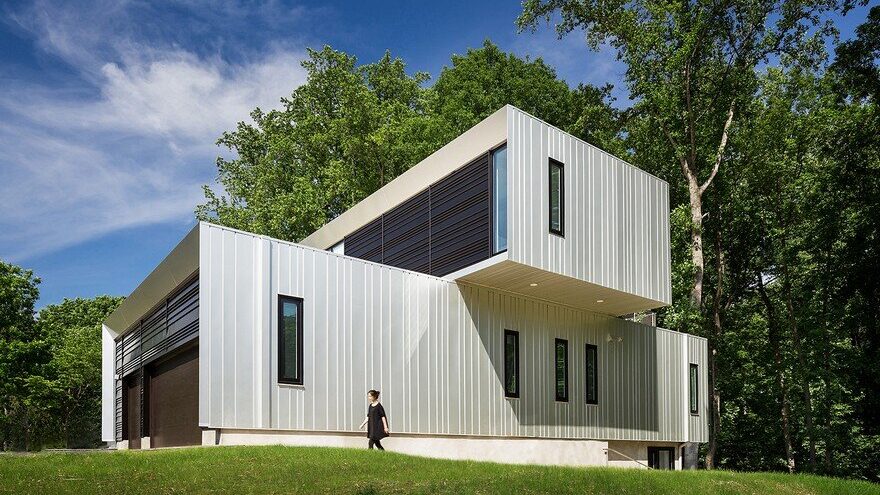
Volumetric Architecture: Vaulted Ceilings and Truss-Free Spatial Design
Square footage is a constraint. Ceiling height is a choice. In luxury accessory dwelling unit design, vertical space is one of the most powerful — and most underused — tools available.
A standard ADU with 8-foot ceilings feels like what it is: a small apartment. The same footprint with 12-foot vaulted ceilings feels like a loft. The structural cost difference is modest — a few thousand dollars in additional framing — but the experiential and perceptual difference is transformative.
Shed roof vaults — a single-direction slope rising from 9 feet at one wall to 14 at the other — are the most cost-effective entry point for dramatic ceiling height. They read as architecturally intentional, photograph exceptionally well, and don’t require the complex engineering of a symmetrical gable vault.
Exposed structural elements — timber ridge beams, steel moment frames, glulam rafters — turn the ceiling structure into a design feature. Left finished and exposed rather than hidden behind drywall, these elements create the kind of material depth that no paint color can replicate.
The framing system itself matters here. Structural Insulated Panels (SIPs) are the premier framing alternative for luxury ADUs — factory-built sandwich panels combining OSB sheathing with a rigid foam core. SIPs provide a highly insulated thermal envelope, reduce on-site construction timelines by two to four weeks, and allow for wall thicknesses 4–6 inches thinner than traditional stud framing. In a 600–1,200 sq ft footprint, recovering 6–10 inches of floor space around the entire perimeter is meaningful — and the cleaner wall planes they produce align perfectly with minimalist design intent.
The Engineering of Recessed Clerestory Windows vs. Skylights
Both skylights and clerestory windows introduce light from above — but they behave completely differently in performance terms, and the difference matters in warm climates.
Skylights placed flat or near-flat on the roof receive direct overhead solar radiation for most of the day, creating severe solar heat gain under California and southern sun. This works directly against smart climate efficiency, forcing HVAC systems to work harder even in a well-insulated ADU.
Clerestory windows — placed high along the roofline on vertical wall surfaces — capture ambient daylight from the sky rather than direct solar radiation. Positioned on north-facing or shaded walls, they flood the interior with consistent, glare-free natural light throughout the day without the thermal penalty of a roof penetration. They also provide architectural cross-ventilation: hot air rising toward the vault exits through high clerestory openings while cooler air enters through lower wall windows, reducing mechanical cooling loads naturally. For luxury ADU construction in warm climates, clerestory windows consistently outperform skylights on both thermal and design grounds.
Creating the Seamless Threshold: High-End Indoor-Outdoor Transitions
If there’s a single design decision that separates a standout luxury ADU design from a standard one in 2026, it’s the quality of the indoor-outdoor connection — and specifically whether that connection is achieved through true architectural integration or just a large door.
The distinction begins at the floor. Standard sliding door systems have a raised threshold — a sill that creates a visible step and a visual interruption in the floor plane. True luxury indoor-outdoor design uses flush sill sliding glass door systems where the floor material runs continuously through the door opening with no height change or transition strip. The structural requirement is a recessed floor drain detail at the threshold and proper waterproofing of the subfloor assembly — details that must be specified before framing begins, not added afterward.
Above the floor, the most compelling modern backyard homes use zero-sightline pocketing glass wall systems — multi-slide doors that retract completely into the wall cavity when open, leaving no visible door panels stacked at the edge of the opening. The wall simply disappears. A 12-foot wide opening with no visible hardware, no stacked panels, and a continuous floor plane reads as an architectural feature, not a product selection.
Continuous flooring material across the threshold — large-format porcelain tile or sealed concrete running inside and onto the covered outdoor patio — completes the visual dissolution of the boundary. When the floor plane is uninterrupted, the eye reads the exterior space as an extension of the interior.
The resort-style outdoor living trend is reshaping backyard design at every price point — but in luxury ADU design, the indoor-outdoor connection is the primary feature that commands premium rents and drives listing performance.
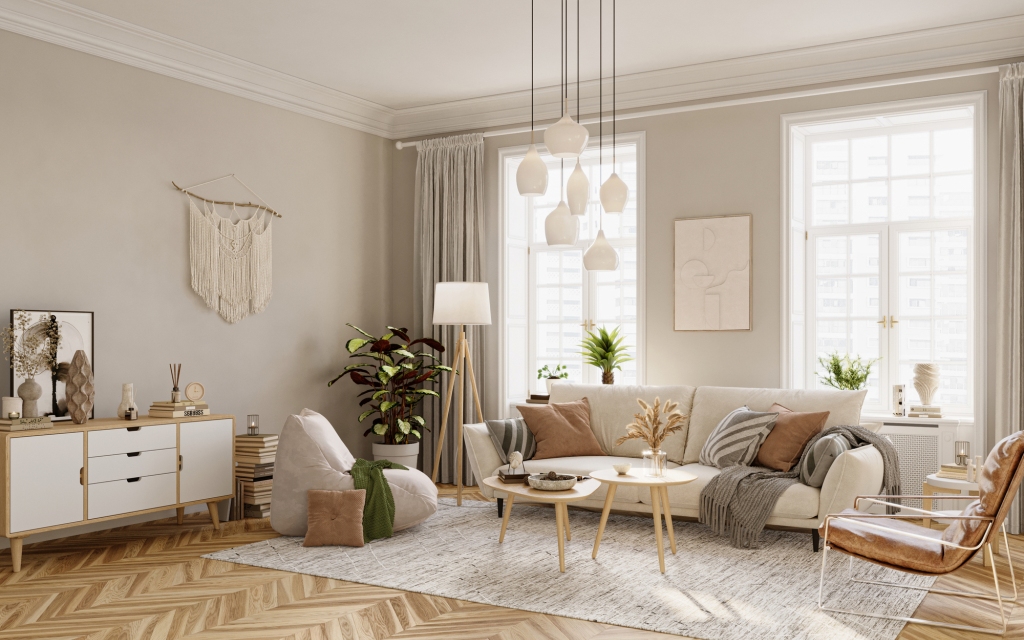
Scandinavian Minimalism: The Dominant High-End ADU Idea Aesthetic
Minimalist architecture remains a defining trend in 2026 ADU design — specifically the Scandinavian-inflected version that trades cold austerity for warm, material-rich restraint. The emerging term “midimalism” captures it well: neither the emptiness of pure minimalism nor the accumulation of maximalism, but a curated warmth built from a limited palette executed with precision.
In luxury ADU designs, this translates to:
Natural wood as a primary material — not an accent. White oak cabinetry running floor to ceiling. Exposed Douglas fir ceiling beams. Wide-plank engineered hardwood in matte natural tones. The warmth of wood against white or light plaster walls is the defining visual signature of high-end ADU interiors in 2026.
Troweled plaster walls rather than painted drywall. Smooth lime plaster in warm white reads as a completely different material — richer, more textured, more architectural. It photographs better, ages better, and signals intentional design rather than builder default.
Steel-framed windows with slender profiles. The contrast of thin black steel frames against white plaster and natural wood is the combination that appears most frequently in high-design ADU photography right now. Narrow frames maximize glass area while providing visual definition.
Continuous architectural reveal detailing replaces standard bullnose drywall corners and thick baseboards. Clean aluminum Z-flashing reveals — like the Fry Reglet system — produce gallery-style wall-to-floor and wall-to-ceiling transitions that read as precision craftsmanship rather than production construction.
Smart Home Integration: Multi-Zone Cassettes and Automated Shading
Smart-home technology has crossed from luxury upgrade to expected baseline in upscale guest house design in 2026. The smart home market is projected to reach $193.5 billion in the US, and ADU-specific integration has become one of the primary features differentiating premium units.
The “hidden mechanicals” principle governs how this technology is implemented in genuine luxury builds. Ceiling-recessed multi-zone mini-split cassettes — units mounted flush into the ceiling plane — replace the bulky wall-mounted units that visually compromise a premium accent wall. Brands like Mitsubishi and Daikin produce cassette systems specifically sized for small, high-efficiency spaces, with low-profile flush-mount grilles that disappear into the ceiling. The visible footprint is a 12×12-inch grille; the performance is whole-home climate control.
The mechanical closet consolidates everything else. A dedicated 24–30-inch deep closet housing a tankless water heater, a plumbing manifold system, and the ADU’s electrical subpanel keeps all mechanical infrastructure completely out of sight — no tank in the bathroom corner, no visible pipe runs in living areas, no panel box on a kitchen wall. True luxury is defined as much by what you don’t see as by what you do.
Beyond climate: automated shading via motorized roller shades, whole-home audio through in-ceiling speakers, app-based smart access, and motion-activated exterior lighting are the four systems that premium tenants most consistently cite as differentiating features. Building in the infrastructure for all of them during framing — low-voltage conduit runs, ceiling blocking for speakers — costs almost nothing at construction and eliminates the expensive retrofitting that adds thousands post-occupancy.
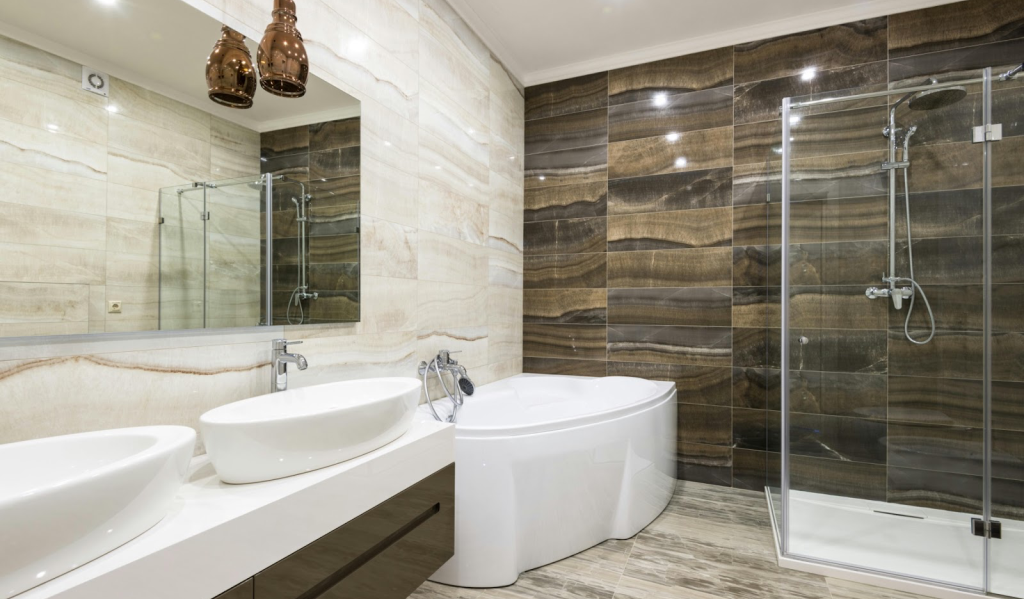
Spa-Grade ADU Bathrooms: Curbless Walk-Ins and Hidden Mechanical Details
The bathroom is where modern ADU inspiration most clearly translates into tangible daily experience — and where the gap between a standard ADU and a luxury one is felt most directly.
Curbless walk-in showers with 24×48-inch or larger stone tile and frameless glass enclosures are the baseline for luxury ADU bathroom specification. The curbless entry reads as both luxurious and accessible; large-format tile minimizes grout lines for a cleaner, more resolved appearance.
In-wall toilet tank systems — like Geberit’s in-wall carrier — mount the cistern completely within the wall, leaving only a slim flush plate on the surface. Combined with a wall-hung toilet bowl, this clears the entire floor plane, makes the bathroom dramatically easier to clean, and produces the floating, spacious quality that characterizes high-end hospitality bathrooms.
Floating vanities with wall-mounted faucets and concealed trapways complete the floor-clearing strategy. Add integrated LED underlighting beneath the vanity and the bathroom holds its luxury quality at any hour of the day.
Heated floors beneath large-format tile run $800–$1,500 in most markets — a modest cost that produces disproportionate daily comfort and consistently appears in premium tenant reviews as a standout feature.
Rockwool Safe’n’Sound acoustic insulation within all bathroom partition walls prevents sound transmission into adjacent living spaces. In a small ADU where the bathroom may share a wall with the sleeping area or the living room, acoustic separation is a functional luxury that standard fiberglass batt insulation doesn’t adequately provide.
The 2026 High-End ADU Idea Specification Audit
Before approving your architect’s schematic design phase, verify these premium structural details are embedded in the construction documents:
- Zero-Sightline Pocketing Glass Systems: Multi-slide doors should pocket completely into the wall cavity when open — no stacked visible panels at the edge of the opening
- Flush Sill Threshold Detail: Confirm the structural drawings show a recessed drain detail and continuous subfloor waterproofing at all glass door openings for a true level threshold
- Ceiling-Recessed Mini-Split Cassettes: Specify flush-mount ceiling cassettes (Mitsubishi or Daikin) rather than wall-mounted units — confirm blocking and electrical rough-in locations in the framing drawings
- In-Wall Plumbing Controls: Specify Geberit or equivalent in-wall toilet tank systems and wall-mounted vanity faucets with concealed trapways to clear all floor space in bathrooms
- SIPs Panel Specification: If using SIPs framing, confirm panel thickness, R-value, and connection details at corners and roof-wall intersections in the structural drawings
- Sound Attenuation (STC Rating): Specify Rockwool Safe’n’Sound insulation in all interior partition walls surrounding the bedroom and mechanical closet
- Continuous Reveal Detailing: Confirm Fry Reglet aluminum Z-reveals (or equivalent) are specified at all wall-to-floor and wall-to-ceiling transitions — no standard bullnose or thick baseboard profiles
The Cost of Premium Construction: Per-Square-Foot Luxury Projections
Modern backyard home cost per square foot for a luxury detached ADU in California runs $350–$500+ depending on market, site conditions, and specification level. A fully resolved 700 sq ft luxury unit lands at $245,000–$350,000 all-in. A 1,000 sq ft two-bedroom at the high end of state allowances runs $350,000–$500,000.
The premium above standard specification — stone surfaces, white oak millwork, SIPs framing, ceiling-recessed HVAC cassettes, in-wall plumbing systems, smart-home infrastructure, clerestory window systems, and flush-sill glass wall assemblies — typically adds $50,000–$90,000 above a builder-grade build. In Los Angeles, San Francisco, Seattle, and comparable high-demand markets, that premium is recovered within three to five years through higher rental income alone, before any appreciation is counted.
The key financial principle: in luxury ADU design, the specification level drives the income level. Every dollar spent on design intelligence — rather than square footage — compounds over the holding period of the asset.
The Bottom Line
The gap between a standard ADU and a genuine luxury ADU design is primarily a matter of design intelligence, not raw spending. SIPs framing that recovers floor area. Clerestory windows that deliver light without heat gain. Flush-sill glass walls that dissolve the indoor-outdoor boundary. Concealed mechanicals that produce the hotel-quality finish tenants pay a premium for. Acoustic insulation that makes a small space feel private. Reveal detailing that reads as precision craftsmanship.
The homeowners who get this right aren’t necessarily spending more. They’re making better decisions earlier — with a design team that understands both the architectural principles and the specific structural constraints of small, high-performance living spaces.
For design-build specialists and architects experienced in high-end ADU ideas in your market, visit FindADUPros.