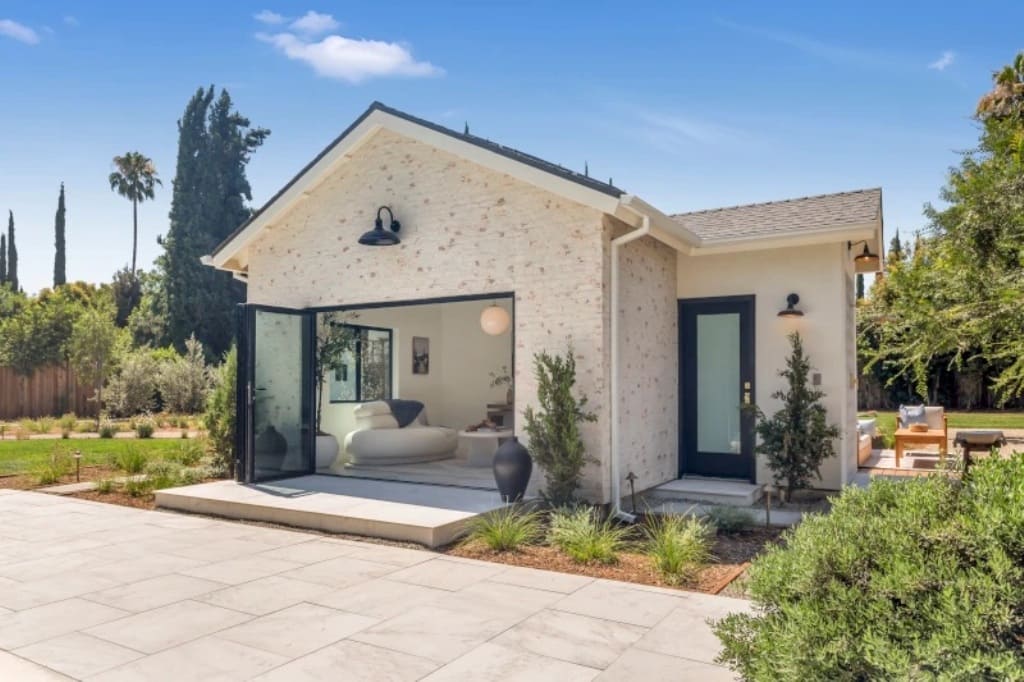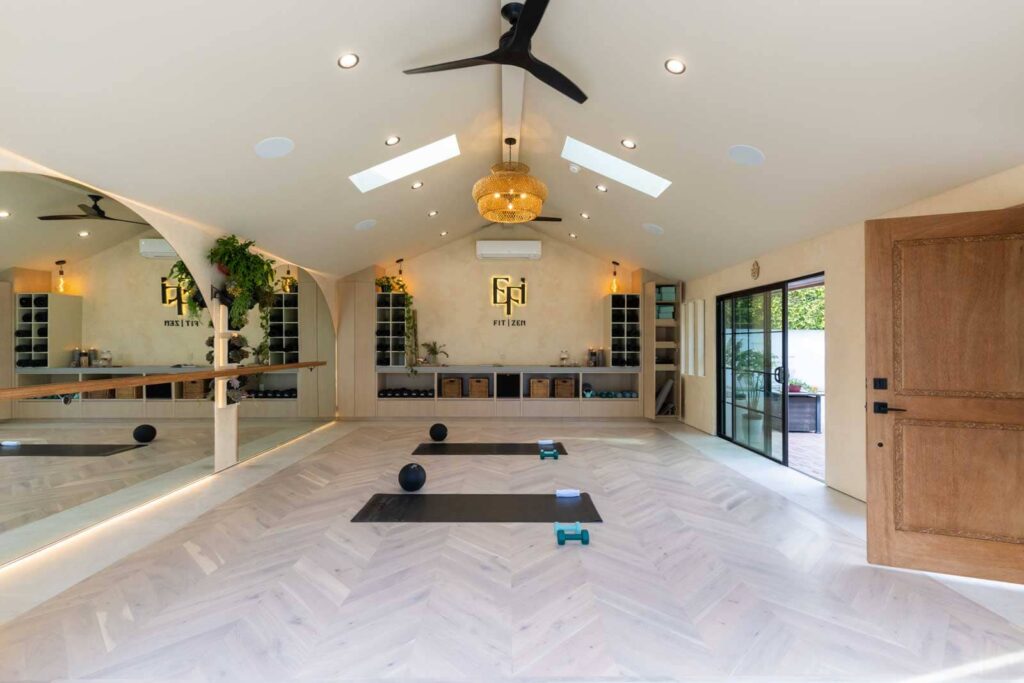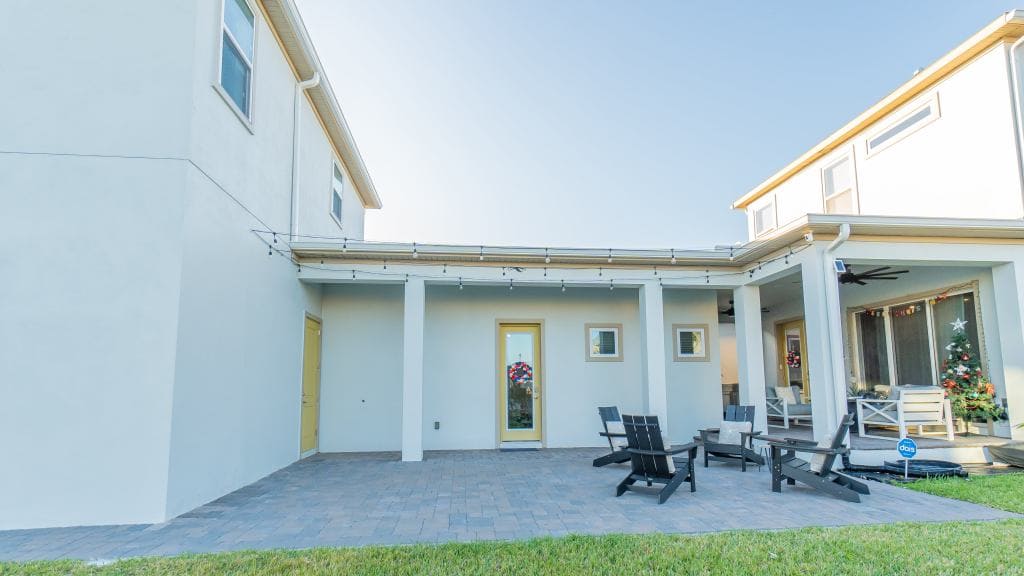
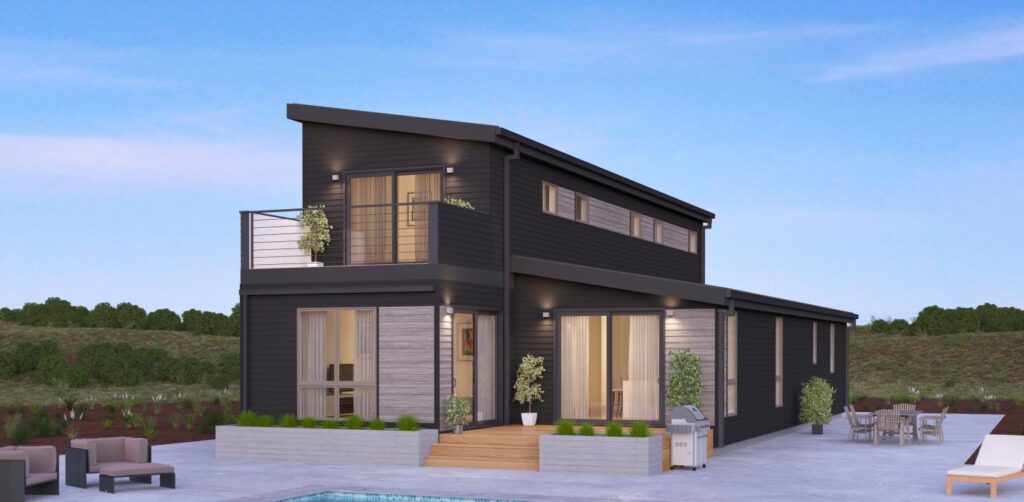
The short answer is: sometimes — but it depends heavily on where you live, what you’re converting, and how many of the hidden costs you’ve accounted for. Building an ADU for under $100K in 2026 is genuinely achievable in certain configurations and markets. It’s genuinely impossible in others, regardless of how carefully you budget.
This guide gives you real numbers, real examples, and an honest look at where the budget ADU cost conversation gets complicated — including two 2026 legislative updates in California that create real sub-$100K opportunities that didn’t exist two years ago.
For vetted ADU professionals who work within realistic budget constraints, FindADUPros is worth checking before you get your first quote.
Can You Build an ADU for Under $100K? The Factual 2026 Cost Reality
Homeowners asking can you build an ADU for $100K aren’t being naive. They’ve seen the ADU legislation headlines, read about garage conversions as the budget-friendly path, and heard that rural properties offer lower costs. All of that is true — in the right context.
The challenge is that most affordable ADU plans are marketed with base construction costs, not all-in project costs. A contractor who quotes $80,000 for a garage conversion may simply be quoting labor and materials without permit fees, utility upgrades, design fees, and scope additions that emerge once walls are open. By the time those line items are added, an $80,000 quote can land at $115,000–$130,000.
Two 2026 California Legislative Updates That Change the Budget Math
California homeowners have two new tools that genuinely expand the sub-$100K window.
The California Unpermitted ADU Amnesty Program allows homeowners with existing, unpermitted garage conversions to bring them up to code under a simplified inspection and remediation pathway — rather than facing full demolition or rebuilding. For properties where a prior owner converted a garage without permits, this amnesty window means a legal, permitted ADU can be achieved for $15,000–$40,000 in code compliance work rather than $80,000–$120,000 in new construction. If your property has an existing unpermitted conversion, this is the most cost-effective path to a permitted low cost backyard home available in 2026.
California’s SB 1211, effective January 1, 2025, significantly increases the number of detached ADUs allowed on multifamily properties — up to eight in some configurations — without triggering the restrictive development impact fees that previously made multifamily ADU projects cost-prohibitive. For homeowners with duplexes or small apartment buildings, this creates a genuine path to additional ADUs without the fee burden that previously broke the budget.
The 400 Sq Ft Studio ADU: Cost Breakdowns, Slab Foundations, and Material Estimates
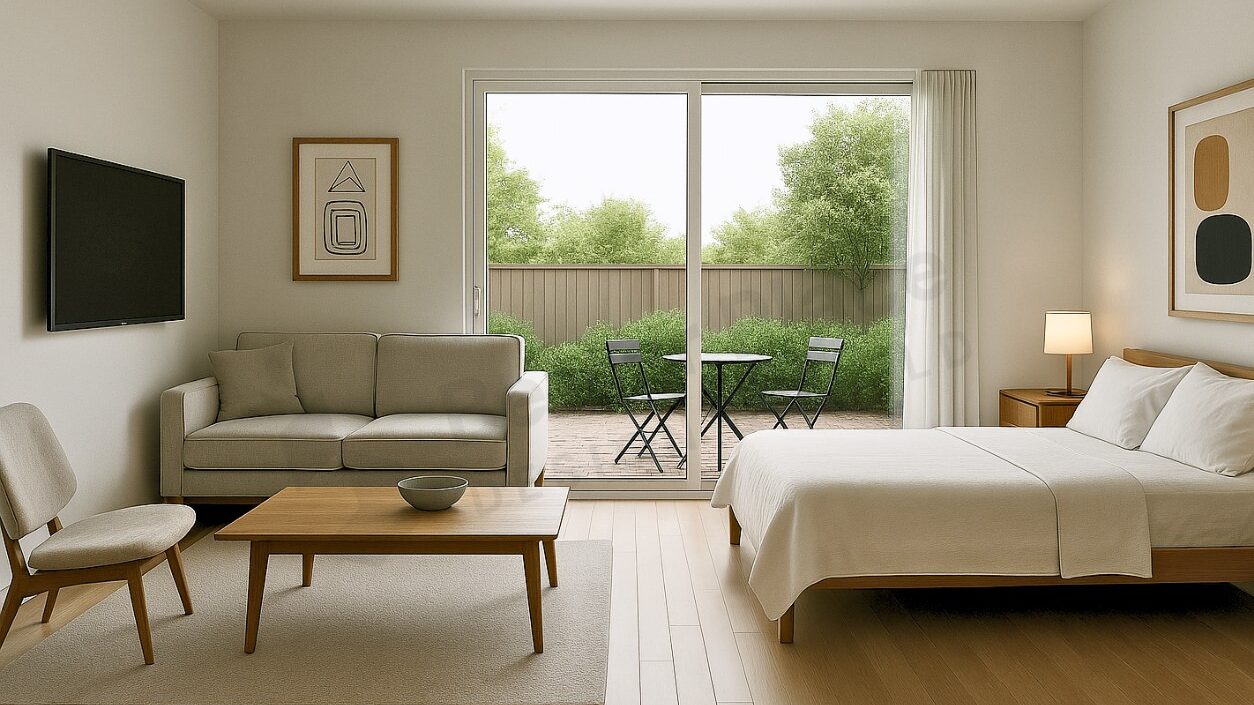
A 400 sq ft studio ADU is the new construction configuration most likely to land under $100K — in markets where costs are moderate and site conditions are favorable.
Here’s a realistic all-in breakdown for a 400 sq ft studio in a mid-cost market (secondary California cities, Pacific Northwest suburbs, or mid-sized metros outside the Bay Area and LA):
| Line Item | Cost Range |
|---|---|
| Architectural plans / pre-approved city set | $1,500–$8,000 |
| Building permit + plan check | $3,000–$7,000 |
| Foundation (slab on flat lot) | $6,000–$12,000 |
| Framing + exterior sheathing | $10,000–$16,000 |
| Roofing | $4,000–$7,000 |
| Windows + exterior doors | $4,000–$8,000 |
| Insulation + drywall | $5,000–$9,000 |
| Electrical (panel + rough + finish) | $6,000–$10,000 |
| Plumbing (rough + fixtures) | $7,000–$12,000 |
| Mini-split HVAC | $3,500–$6,000 |
| Kitchen (compact, mid-range) | $5,000–$9,000 |
| Bathroom (one full bath) | $6,000–$10,000 |
| Flooring | $2,500–$5,000 |
| Paint + finish work | $2,000–$4,000 |
| Total | $65,500–$123,000 |
The low end — $65,500–$85,000 — is achievable using a pre-approved city ADU plan set (eliminating most design fees), flat lot with stable soil, an existing 200-amp panel, and homeowner involvement in finish work. Pre-approved city ADU plan cost savings are significant: using a municipal plan set instead of custom architecture can cut $4,000–$8,000 from the budget and eliminate weeks from the plan check timeline.
Site Conditions That Void the $100K Budget Limit
Three site conditions that push any project over $100K regardless of other decisions:
- Sloped lots requiring cut-and-fill grading or a raised foundation: add $15,000–$35,000
- Expansive clay or fill soils requiring engineered foundation systems: add $10,000–$30,000 above a standard slab
- 100-amp main panels that can’t support a new ADU subpanel without an upgrade: the minimum electrical panel size required for a detached ADU subpanel is a 200-amp main. An upgrade runs $3,500–$6,000 and isn’t in most base quotes
The Attached Garage Conversion: Your Most Reliable Pathway to a Sub-$100K Build
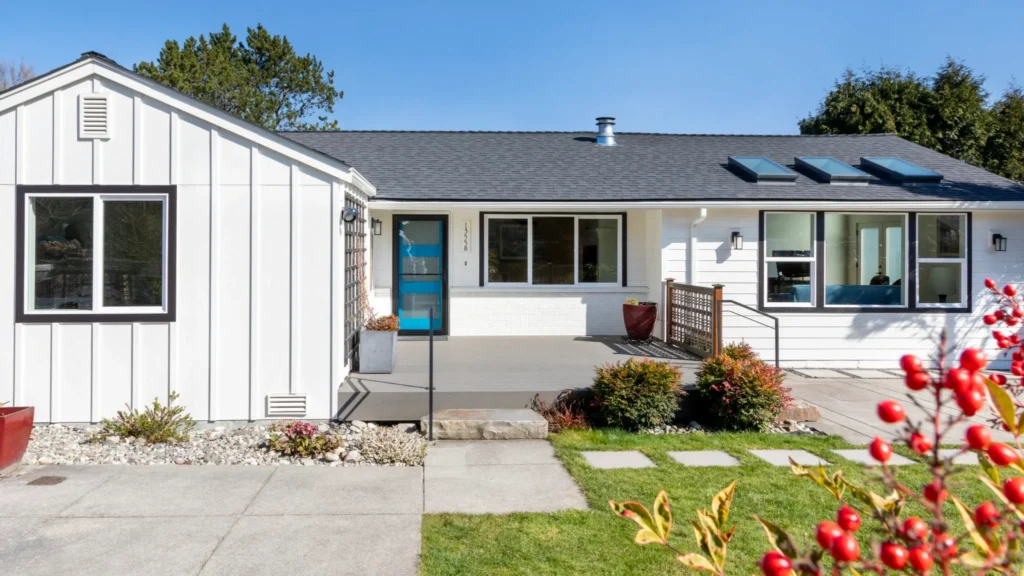
If there’s one ADU type that consistently gives homeowners a realistic shot at staying under six figures, it’s the attached single-car garage conversion. The average cost to convert a garage to an ADU nationally is $110,000 — but an attached single-car conversion with mid-range finishes in a mid-cost market runs $43,000–$79,500 all-in, making it the clear budget leader.
| Line Item | Cost |
|---|---|
| Design + permits | $5,000–$10,000 |
| Garage door infill + structural header | $3,000–$6,000 |
| Insulation + drywall (walls and ceiling) | $4,000–$7,000 |
| Electrical upgrades | $4,000–$8,000 |
| Plumbing (bathroom + kitchen rough-in) | $8,000–$14,000 |
| HVAC (mini-split) | $3,500–$5,500 |
| Egress windows | $1,500–$3,000 |
| Flooring | $2,000–$4,000 |
| Kitchen fit-out (compact) | $5,000–$9,000 |
| Bathroom | $5,000–$9,000 |
| Finish work + paint | $2,000–$4,000 |
| Total | $43,000–$79,500 |
At $1,500/month rent, a $70,000 garage conversion pays for itself in under four years — then generates pure passive income.
Plumbing Hacks: Connecting to Existing Residential Sewer Laterals
This is the line item most homeowners overpay on — and where an experienced plumber saves real money. The question of how to connect an ADU sewer line to the main house has two answers: the expensive way and the smart way.
The expensive way involves cutting into the city street, tapping the main sewer line, and running a new independent lateral to the ADU — a process that can cost $8,000–$20,000 in street-cutting, permits, and restoration.
The smart way, used by experienced ADU plumbers on garage conversions, is a cleanout junction connection: the ADU’s waste line ties directly into the primary home’s existing external sewer cleanout yard trap, using a wye fitting at the cleanout access point. This avoids street-cutting entirely, keeps all work on private property, and reduces plumbing rough-in costs by $3,000–$8,000 on a typical attached conversion. It’s code-compliant when sized correctly — but it requires a plumber who has done it before. Ask explicitly whether your plumber knows this approach before accepting any bid.
A related upgrade worth knowing: pre-engineered MEP (Mechanical, Electrical, Plumbing) utility wall pods — prefabricated utility backbones built off-site that combine the kitchen plumbing stack, bathroom wet wall, and electrical panel in a single assembly. Dropped into a garage conversion in one installation rather than assembled piece by piece by multiple subcontractors, these systems can reduce MEP labor costs by 15–25% on sub-$100K builds where every line item is scrutinized.
Regional Cost Maps: Why Urban Coastal Metros Break the Budget Ceiling
Geography is one of the most significant variables in budget ADU costs, and it’s often underestimated.
High-cost urban markets (Bay Area, Los Angeles, Seattle, New York metro): Building an ADU under $100K here is extremely difficult. Los Angeles garage conversions run $80,000–$120,000 for single-car and $100,000–$160,000 for two-car. Permit fees alone in some Bay Area jurisdictions exceed $15,000. Labor rates for licensed trades run 60–80% above the national average. In these markets, $100K is the floor for a simple attached conversion.
Mid-cost markets (Sacramento, Portland, Phoenix, Denver, Austin): This is where the $100K target is genuinely achievable. Permit fees run $3,000–$8,000. Labor rates are lower. Pre-approved city ADU plan sets — free in many California cities under AB 1332 — eliminate design fees entirely.
Rural and low-cost markets (Midwest, rural Southeast, small towns): New detached construction at 400 sq ft can land at $60,000–$85,000. Labor costs are significantly lower and permit fees minimal. The trade-off: rental income potential is also lower, changing the ROI calculation.
DIY vs. General Contractor: Safely Trimming Labor Markups Without Violating Code
Strategic DIY on appropriate tasks can save $8,000–$15,000 on a sub-$100K project:
- Demolition and site prep: Removing the garage door, clearing debris — saves $2,000–$5,000
- Painting: Interior and exterior — saves $3,000–$6,000
- Flooring: Luxury vinyl plank installation — saves $1,500–$3,000
- Landscaping restoration and finish details: saves $1,500–$3,000
What you cannot DIY without voiding permits and creating expensive correction cycles: structural framing, electrical rough-in and panel work, plumbing rough-in, and any inspection-required work. One failed inspection triggered by unlicensed DIY work typically costs more to correct than the licensed contractor would have charged for the original scope.
Hidden Budget Killers: Geotechnical Soils, Main Panel Upgrades, and Impact Fees
- Soils and geotechnical surprises: A pre-construction soils report costs $2,000–$5,000. On lots with expansive clay or fill soil, the foundation system upgrade adds $10,000–$30,000. Finding this after breaking ground is far more expensive than finding it before design is finalized.
- Electrical panel upgrades: The minimum electrical panel size required for a detached ADU is a 200-amp main. Homes built before 1990 frequently have 100-amp panels. The upgrade costs $3,500–$6,000 and rarely appears in base quotes. Assume this cost until you’ve confirmed your panel has available capacity.
- Sewer lateral condition: A sewer scope video from a licensed plumber costs $150–$300 and is one of the highest-ROI pre-construction steps available. Clay pipe laterals common on pre-1970s properties may require full replacement before an ADU connection is approved — adding $8,000–$15,000. Spending $250 on a camera inspection before design begins saves you from discovering this after plans are drawn.
- The 750 sq ft impact fee threshold: In California, ADUs under 750 sq ft are exempt from development impact fees covering parks, schools, and transit. Above that threshold, fees of $3,000–$8,000 apply in many jurisdictions. Keeping your footprint strictly under 750 sq ft is one of the clearest budget protections available.
Financing Your Unit Securely: Avoiding Contractor-Arranged Loan Schemes
One financial trap that deserves direct naming: contractors who offer to “handle financing.” The Multitaskr collapse in Southern California demonstrated how this model fails — more than 100 homeowners were left holding construction loans for projects never completed, because the debt was owed to lenders, not the contractor. When the company disappeared, the loans didn’t.
Arrange financing independently through your bank, credit union, or a HELOC. And when you sign with any contractor, insist on a Guaranteed Maximum Price (GMP) fixed-price contract — not a time-and-materials arrangement. A GMP contract with a tight change-order clause prevents the open-ended cost escalation that turns $85,000 projects into $130,000 ones.
The Sub-$100K ADU Project Defense Checklist
Before signing any contractor agreement, verify each of the following:
- Check for pre-approved city ADU plan sets: Visit your municipality’s planning department website. Using a stock structural blueprint eliminates custom design fees and cuts plan-check timelines by weeks
- Pull a sewer scope video: Pay $150–$300 for a plumber to camera-inspect your primary sewer line before design begins. Clay pipe or root intrusion found now costs $250 to discover; found after permits are filed, it costs $8,000–$15,000 to fix plus redesign fees
- Confirm your main panel is 200 amps: Open your breaker box and look at the rating. A 100-amp panel requires a $3,500–$6,000 upgrade before an ADU subpanel can be added
- Hold the footprint under 750 sq ft: This single decision exempts you from California’s development impact fees — a $3,000–$8,000 saving in most jurisdictions
- Insist on a fixed-price GMP contract: Never build on a time-and-materials agreement. A Guaranteed Maximum Price with a tight written change-order clause is the contractual backbone of every successful sub-$100K build
- Check for unpermitted existing structures: If you’re in California and have an existing unpermitted garage conversion, investigate the ADU amnesty program before assuming you need to rebuild from scratch