The growing popularity of backyard housing has left many homeowners comparing JADU vs ADU before starting a project. While both options can add living space and rental income potential, they differ significantly in size, cost, zoning rules, and construction requirements.
In California, especially, updated housing laws have made both ADUs and junior ADUs more common in 2026. According to the California Department of Housing and Community Development, homeowners can now build certain accessory units with fewer restrictions than in previous years.
But choosing between a JADU vs ADU isn’t always straightforward. Factors like budget, property size, rental goals, and local permit rules all play a role in determining which option makes the most sense.
This guide breaks down the real differences homeowners should understand before building.
What Is the Difference Between a JADU and an ADU?

The biggest difference in the JADU vs ADU comparison comes down to size, location, and how the unit is built.
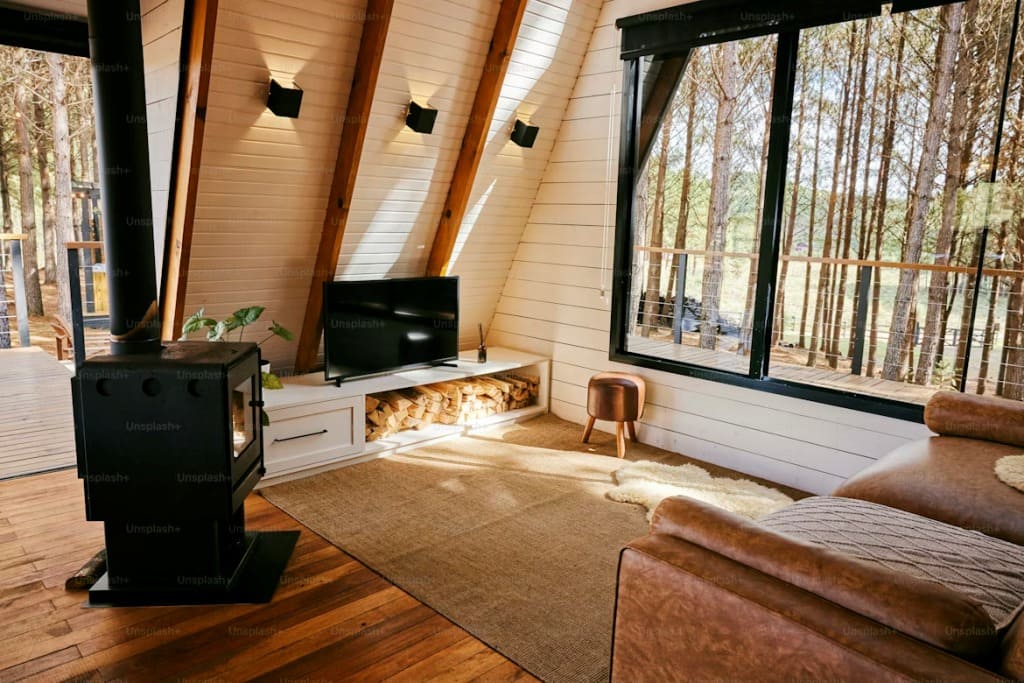
A JADU, or Junior Accessory Dwelling Unit, is a smaller housing unit created within the walls of an existing single-family home. In California, JADUs are typically limited to 500 square feet and often share some utilities with the main house.
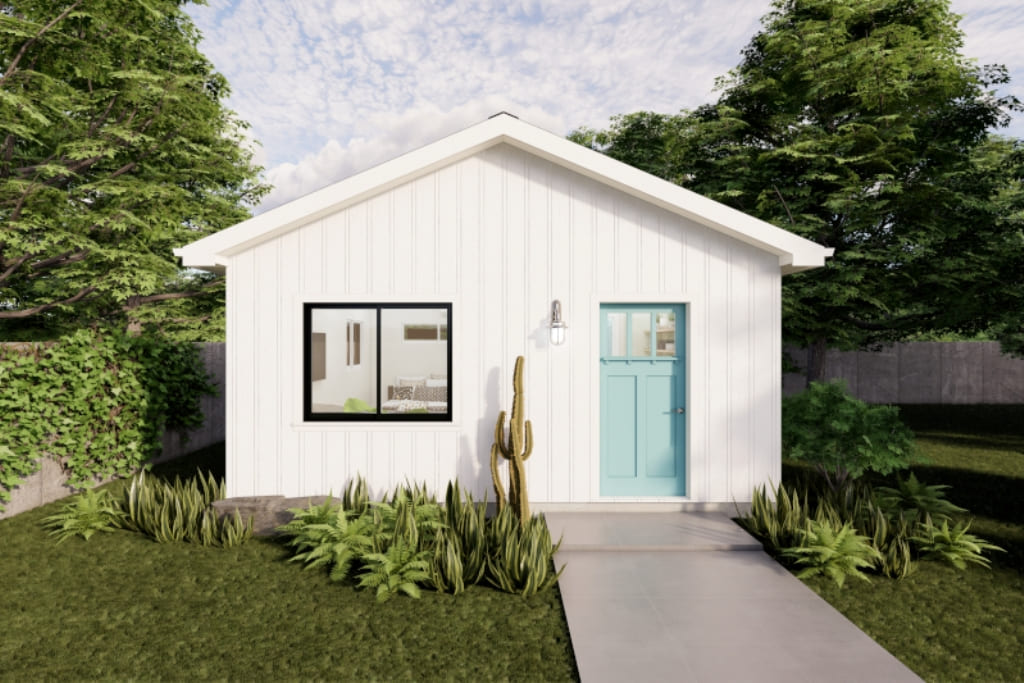
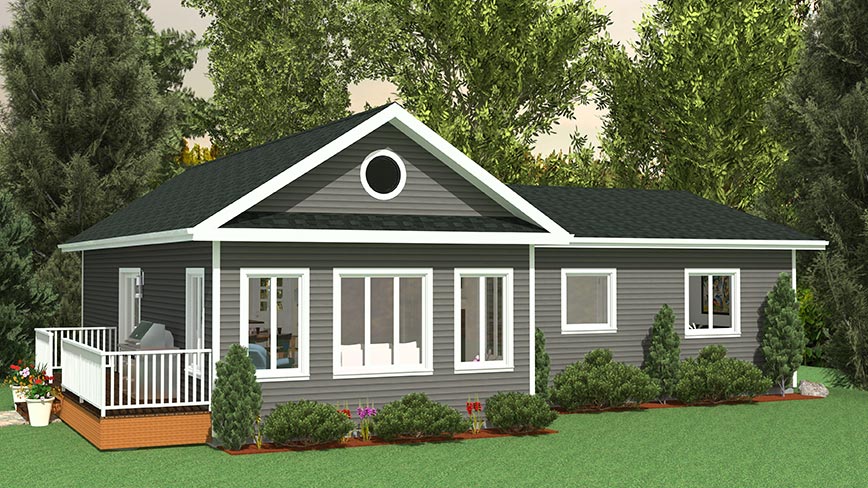
An ADU, on the other hand, is a fully independent living unit that can be:
- Detached
- Attached
- Converted from a garage
- Built above a garage
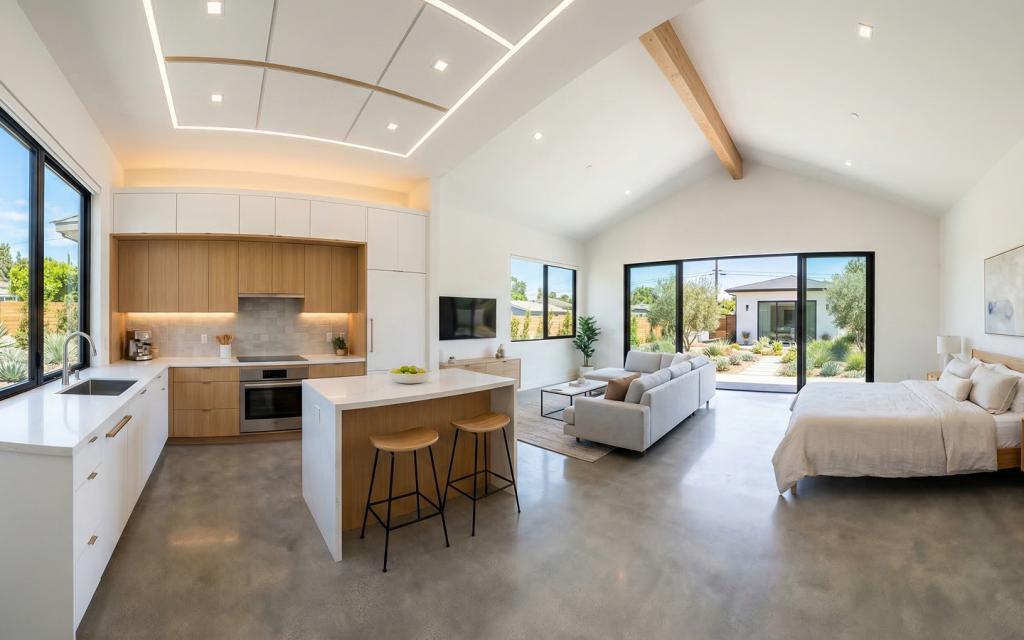
Unlike JADUs, most ADUs include:
- Full kitchens
- Private bathrooms
- Separate entrances
- Larger living areas
Here’s a quick comparison:
| Feature | JADU | ADU |
|---|---|---|
| Maximum Size | 500 sq ft | Usually 800–1,200+ sq ft |
| Kitchen Type | Efficiency kitchen | Full kitchen |
| Bathroom | May be shared | Private bathroom |
| Location | Inside existing home | Attached or detached |
| Construction Cost | Lower | Higher |
For many homeowners comparing ADU vs JADU options, the choice usually depends on budget, available space, and rental goals.
JADU Requirements Homeowners Should Know
Understanding JADU requirements is important before converting part of an existing home into a junior ADU.
In California, most JADUs must:
- Be created within an existing single-family home
- Remain under 500 square feet
- Include an efficient kitchen
- Have a separate entrance
Unlike traditional ADUs, JADUs may share a bathroom with the main house, which helps reduce construction and plumbing costs.
According to the California Department of Housing and Community Development, owner-occupancy rules may still apply in some situations, although local regulations can vary by city.
One major advantage in the jr adu vs adu comparison is that JADUs often require fewer utility upgrades because they are integrated into the existing structure. This can make permitting and construction faster for many homeowners.
However, the smaller size and shared-living limitations may not work well for homeowners seeking maximum privacy or long-term rental flexibility.
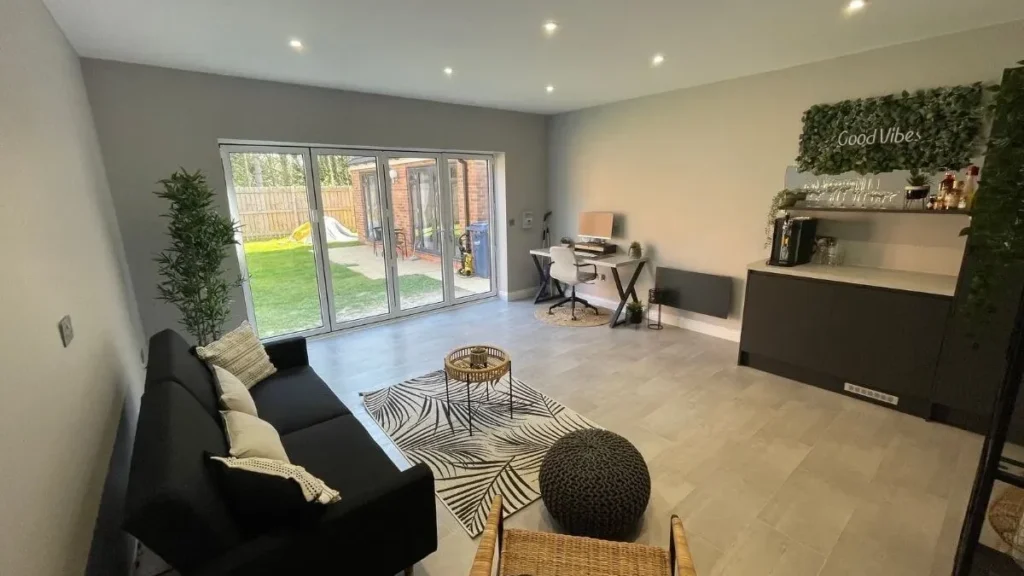
ADU vs JADU Cost Comparison
Cost is one of the biggest factors homeowners consider when comparing JADU vs ADU options.
Because JADUs are built within an existing home, they are usually far less expensive than full ADUs. In many cases, homeowners can avoid major foundation work, utility trenching, and large structural additions.
Here’s a general comparison:
| Unit Type | Estimated Cost |
|---|---|
| JADU | $40,000–$150,000 |
| Attached ADU | $100,000–$300,000 |
| Detached ADU | $200,000–$500,000+ |
The biggest drivers of ADU vs JADU cost include:
- Size of the unit
- Utility upgrades
- Structural work
- Permit fees
- Site preparation
- Kitchen and bathroom installation
Detached ADUs typically cost the most because they require separate construction, plumbing, electrical systems, and roofing.
For budget-conscious homeowners, a JADU may offer a faster and more affordable path to creating rental space or multigenerational housing without the higher costs of a full ADU.
Permit and Zoning Differences
Permit complexity is another major difference in the JADU vs ADU comparison.
Because JADUs are built within the existing home, they are often easier and faster to permit than detached ADUs. In many cities, JADUs face fewer zoning complications since they do not require a separate standalone structure.
However, homeowners still need to follow local:
- Building codes
- Fire safety rules
- Parking requirements
- Occupancy regulations
Detached ADUs usually involve more extensive reviews because they may require:
- New foundations
- Utility connections
- Setback compliance
- Drainage planning
According to local planning departments and the California Department of Housing and Community Development, permit timelines and zoning rules can still vary significantly between cities.
For many homeowners comparing ADU vs JADU options, a JADU may offer a simpler approval process, especially on smaller lots where detached construction could face space limitations.
Rental Income Potential: JADU vs ADU
Rental income is one of the main reasons homeowners compare JADU vs ADU before building.
Detached ADUs usually generate higher monthly rent because they offer:
- More privacy
- Larger living space
- Full kitchens and bathrooms
- Separate entrances
These features often make ADUs more attractive for long-term tenants.
JADUs, however, can sometimes produce a faster return on investment because construction costs are much lower. For homeowners with limited budgets, converting existing interior space into a JADU may be more financially practical than building a detached unit from scratch.
In the adu vs jadu comparison, the better rental option often depends on:
- Property size
- Local rental demand
- Budget
- Long-term housing goals
While ADUs may earn higher rental income overall, JADUs can still work well for student housing, family members, or lower-cost rental setups in high-demand housing markets.
Pros and Cons of a JADU
For homeowners with limited space or smaller budgets, a JADU can be an attractive alternative to a full ADU.
Some major advantages include:
- Lower construction costs
- Faster permit approval
- Reduced utility upgrades
- Easier integration into existing homes
Because JADUs are created within the current structure, they usually involve less construction disruption and shorter timelines.
However, there are also limitations in the jr adu vs adu comparison:
- Smaller living space
- Limited privacy
- Potential owner-occupancy rules
- Shared bathroom in some cases
JADUs may work best for homeowners who want affordable housing space for family members, students, or modest rental income without the higher costs of detached construction.
Pros and Cons of an ADU
ADUs offer more flexibility and long-term value than JADUs, but they also come with higher construction costs and more complex permitting.
Some major advantages of an ADU include:
- Larger living space
- Greater privacy
- Higher rental income potential
- Full kitchen and bathroom
- Better long-term resale appeal
Detached ADUs are especially popular for multigenerational living, guest housing, and full-time rental use because they function more like independent homes.
However, the adu vs jadu comparison also highlights several disadvantages:
- Higher construction costs
- Longer permit timelines
- More utility and infrastructure work
- Increased zoning complexity
For homeowners with larger lots and long-term investment goals, an ADU may provide stronger rental income and property value growth despite the higher upfront expense.
Which Option Is Better for Your Property?
The right choice in the JADU vs ADU decision depends on your budget, property layout, rental goals, and long-term plans.
A JADU may be the better option if you:
- Want a lower-cost project
- Have limited backyard space
- Need faster permitting
- Plan to use existing interior space
An ADU may make more sense if you:
- Want maximum rental income
- Need more privacy
- Have a larger lot
- Plan for long-term multigenerational living
For many homeowners, the decision comes down to balancing upfront costs with long-term flexibility. A JADU can provide affordable additional housing quickly, while a full ADU usually offers greater independence and stronger rental potential over time.
Before choosing either option, it’s important to review local zoning rules, utility requirements, and permit limitations specific to your property.
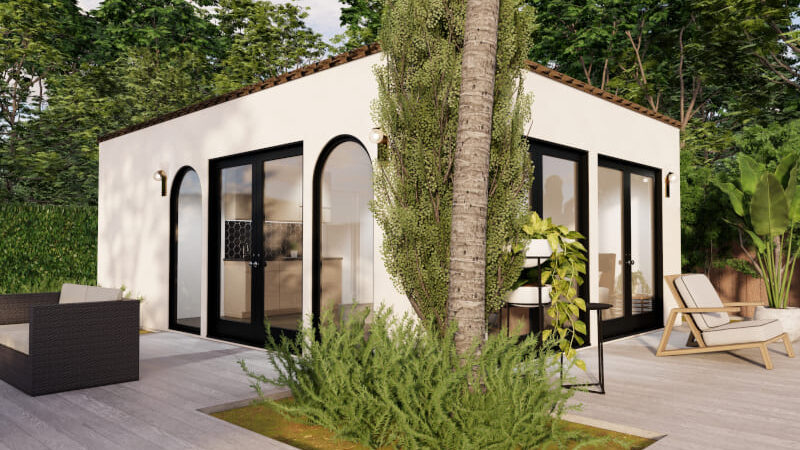
Common Mistakes Homeowners Make With JADUs and ADUs
One of the biggest mistakes homeowners make in the JADU vs ADU process is choosing a unit type before fully understanding local zoning and permit rules.
Common mistakes include:
- Underestimating total construction costs
- Ignoring JADU requirements
- Choosing the wrong unit size for the property
- Overlooking parking or setback rules
- Hiring contractors without ADU experience
Another common issue is assuming a JADU and ADU offer the same rental flexibility. In reality, owner-occupancy rules, shared living spaces, and local rental regulations can affect how the property is legally used.
Many homeowners also focus only on upfront cost savings without considering long-term privacy, resale value, and rental income potential.
Careful planning early in the process usually helps avoid expensive permit revisions, design changes, and construction delays later.
Conclusion
Choosing between a JADU vs ADU ultimately depends on your budget, property layout, privacy needs, and long-term goals.
JADUs are usually more affordable and faster to build because they use existing interior space and require fewer utility upgrades. ADUs, however, offer more living space, greater privacy, and stronger rental income potential.
For many homeowners, the best option comes down to balancing upfront construction costs with long-term flexibility and property value.
Before starting any project, it’s important to review local zoning laws, permit requirements, and construction costs carefully. Understanding the real differences early can help homeowners avoid expensive mistakes and choose the housing solution that fits their property best.
FAQs About JADUs and ADUs
Can you rent out a JADU?
Yes. In many areas, JADUs can be rented long-term, although local rental rules and owner-occupancy requirements may vary by city.
Does a JADU need a separate bathroom?
Not always. Unlike a full ADU, a JADU may share a bathroom with the primary home in some jurisdictions.
Is a JADU cheaper than an ADU?
Yes. In most cases, a JADU costs significantly less because it uses existing interior space and usually requires fewer utility and structural upgrades.
Can you build both a JADU and ADU on one property?
In some California cities, homeowners may legally build both a JADU and a full ADU on the same single-family property, depending on zoning and lot conditions.
What are the main JADU requirements?
Most JADUs must remain under 500 square feet, be located within an existing home, include an efficiency kitchen, and have a separate entrance.