Rising housing demand and rental prices have made ADU Return on Investment one of the biggest questions homeowners are asking in 2026. While accessory dwelling units can generate steady rental income and increase property value, construction costs have also climbed sharply in many markets.
For some homeowners, an ADU becomes a long-term income-producing asset. For others, hidden costs, permit delays, and financing expenses can reduce overall returns.
According to the National Association of Home Builders, labor shortages and material costs continue to affect residential construction pricing across the U.S.
So, is an ADU worth it financially?
This guide breaks down ADU ROI, rental income potential, property value impact, and the key factors that determine whether building an ADU actually pays off in today’s housing market.
Why Homeowners Are Investing in ADUs in 2026
ADUs have become one of the fastest-growing home improvement investments because they offer both housing flexibility and long-term income potential.
Many homeowners are building ADUs to:
- Generate passive rental income
- Increase property value
- Create multigenerational housing
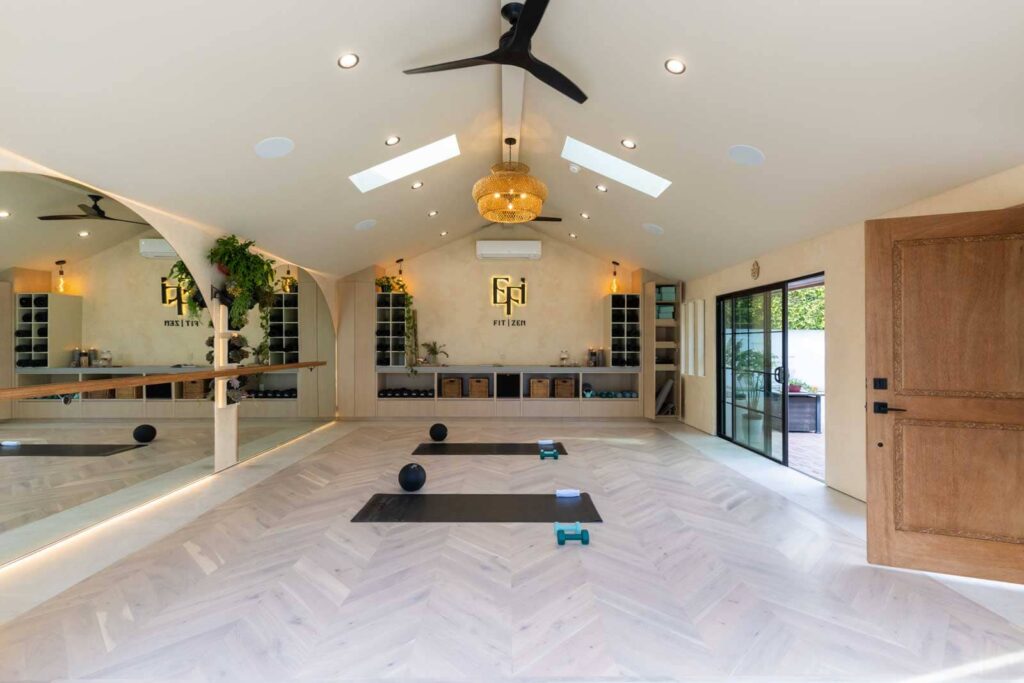
- Add private guest or office space
In high-demand housing markets, ADU rental income can help offset mortgage payments, rising property taxes, and living expenses.
California housing reforms and local zoning changes have also made ADU development easier in many cities. According to the California Department of Housing and Community Development, state policies continue to encourage ADU construction as part of broader housing expansion efforts.
For investors and homeowners alike, ADUs are increasingly viewed as long-term real estate assets rather than simple backyard additions.
What Determines ADU Return on Investment?
Several factors affect ADU Return on Investment, and profitability can vary significantly from one property to another.
The biggest factors include:
- Construction costs
- Rental income potential
- Property location
- Permit and utility expenses
- Financing costs
- Local housing demand
In high-demand cities with strong rental markets, ADU ROI is often much higher because homeowners can charge premium rents for small independent living spaces.
However, projects with expensive site preparation, utility upgrades, or long permit delays may take much longer to recover their costs.
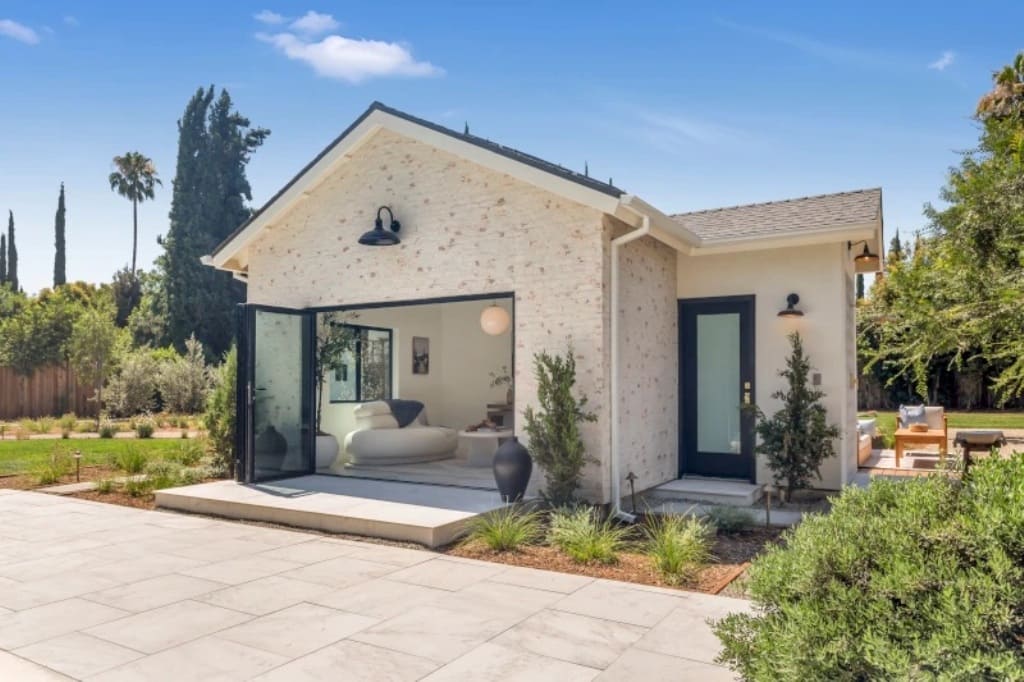
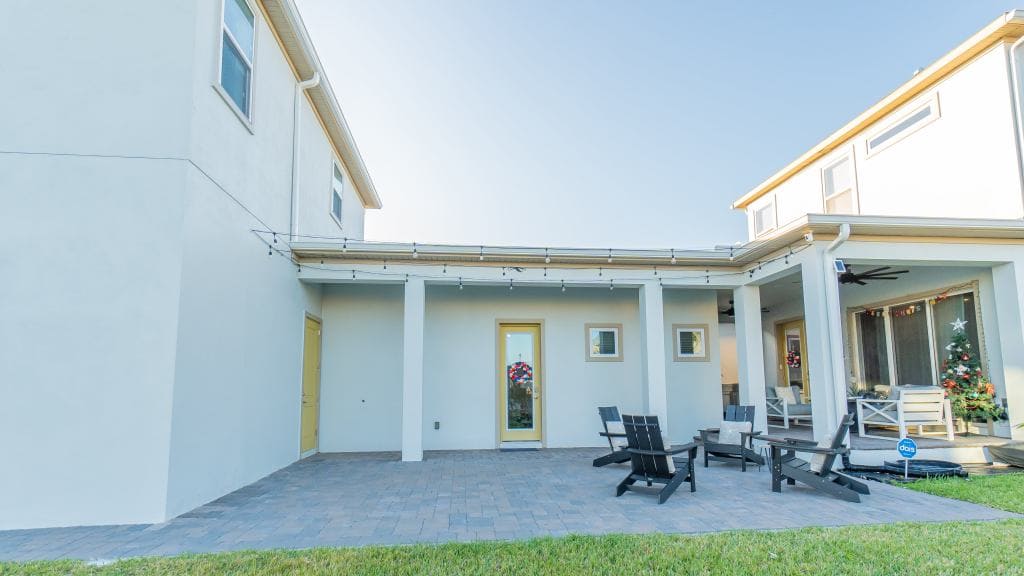
Property type also matters. Detached ADUs generally cost more to build but may generate higher monthly rent, while garage conversions often provide faster ROI because construction costs are lower.
For many homeowners asking, “Is an ADU worth it?” the answer depends heavily on balancing upfront investment against long-term rental income and property appreciation.
Average ADU Construction Costs in 2026
Construction cost plays the biggest role in determining overall ADU ROI. In 2026, prices continue to vary widely depending on the type of ADU, location, labor market, and property conditions.
Here’s a general cost breakdown:
| ADU Type | Estimated Cost |
|---|---|
| Garage Conversion | $100,000–$180,000 |
| Attached ADU | $150,000–$300,000 |
| Detached ADU | $250,000–$500,000+ |
| Prefab ADU | $120,000–$280,000 |
Beyond construction itself, many homeowners underestimate hidden costs such as:
- Permit fees
- Utility upgrades
- Drainage work
- Landscaping restoration
- Financing expenses
According to the National Association of Home Builders, labor shortages and material price volatility continue to affect residential building costs nationwide.
For homeowners focused on maximizing ADU Return on Investment, controlling upfront construction expenses is often just as important as increasing future rental income.
How Much ADU Rental Income Can You Expect?
ADU rental income varies based on location, unit size, privacy, and local housing demand. In strong rental markets, a well-designed ADU can generate significant monthly cash flow.
Average long-term rental estimates in 2026 include:
- Studio ADU: $1,500–$2,500/month
- One-bedroom ADU: $2,000–$3,500/month
- Detached ADU in premium markets: $4,000+/month
Several factors can increase rental income potential:
- Separate entrance
- Private outdoor space
- Parking availability
- Modern finishes
- High-demand neighborhoods
Detached ADUs generally command the highest rents because tenants value privacy and independent living space.
For homeowners focused on ADU Return on Investment, rental income is often the biggest factor in determining how quickly the project pays for itself. In many urban markets, consistent rental demand has made ADUs an increasingly attractive long-term investment.
How Long Does It Take an ADU to Pay for Itself?
The timeline for recovering ADU construction costs depends on rental income, financing, maintenance expenses, and the total project budget.
In many markets, homeowners estimate a payback period of:
- 8–15 years for detached ADUs
- 5–10 years for garage conversions or lower-cost projects
Here’s a simplified example:
| Example Scenario | Estimated Value |
|---|---|
| ADU Construction Cost | $250,000 |
| Monthly Rental Income | $2,500 |
| Annual Rental Income | $30,000 |
| Approximate Payback Period | 8–10 Years |
Projects with lower upfront costs and strong rental demand usually achieve better ADU ROI faster.
Garage conversions often recover costs sooner because they require less structural work and fewer utility upgrades. Detached ADUs may take longer to break even, but can generate higher long-term rental income and property value appreciation.
It often depends on how long they plan to keep the property and whether rental demand remains strong in their area.
Does an ADU Increase Property Value?
In many housing markets, adding an ADU can significantly increase overall property value, especially in areas with strong rental demand and limited housing inventory.
Homes with ADUs are often more attractive to buyers because they offer:
- Rental income potential
- Multigenerational living space
- Guest accommodations
- Flexible work-from-home options
According to housing market data from platforms like Zillow and Realtor.com, properties with well-designed ADUs often sell at a premium compared to similar homes without additional living space.
However, the increase in value usually depends on:
- ADU quality and design
- Neighborhood demand
- Permit compliance
- Parking and privacy
- Lot size
Detached ADUs generally add more perceived value because they function like independent homes. Poorly designed or unpermitted units, however, may not deliver the same financial benefit.
For many homeowners, long-term appreciation becomes an important part of overall ADU Return on Investment beyond monthly rental income alone.
Is an ADU Worth It for Every Homeowner?
While ADUs can generate strong long-term returns, they are not the right investment for every property owner.
An ADU may be worth it if you:
- Live in a high-demand rental market
- Plan to keep the property long-term
- Have enough lot space for construction
- Want passive rental income
- Need multigenerational housing
However, ADUs may deliver weaker ROI when:
- Construction costs are extremely high
- Local rental demand is limited
- Financing creates heavy monthly debt
- Permit restrictions delay projects significantly
For some homeowners, the financial benefits come primarily from increased property value rather than monthly rental income alone.
It ultimately depends on balancing upfront costs with long-term goals, rental demand, and how the property will be used over time.

Common Mistakes That Hurt ADU ROI
Many homeowners focus only on potential rental income and underestimate the factors that can reduce overall ADU Return on Investment.
Some of the most common mistakes include:
- Underestimating construction costs
- Ignoring permit and utility expenses
- Hiring inexperienced contractors
- Overbuilding for the neighborhood
- Choosing poor rental layouts
One major issue is assuming every ADU will generate premium rental income. In reality, location, privacy, parking, and unit design heavily influence tenant demand and monthly rent.
Poor planning during the design stage can also hurt long-term ADU ROI. For example, cramped layouts, limited storage, or lack of private outdoor space may reduce rental appeal.
Many homeowners also forget ongoing expenses such as:
- Maintenance and repairs
- Property taxes
- Insurance increases
- Vacancy periods
Careful budgeting and realistic income projections are usually the biggest factors separating profitable ADU projects from disappointing investments.
Conclusion
ADU Return on Investment depends on far more than rental income alone. Construction costs, permit timelines, financing expenses, property location, and long-term housing demand all play a major role in determining whether an ADU becomes a profitable investment.
For many homeowners, a well-planned ADU can provide:
- Consistent rental income
- Increased property value
- Flexible living space
- Long-term financial stability
However, maximizing ADU ROI requires realistic budgeting, careful contractor selection, and a clear understanding of local permit and zoning requirements.
In strong housing markets, ADUs can still deliver significant long-term value in 2026. But homeowners who plan carefully and avoid common financial mistakes are usually the ones who see the best returns over time.
FAQs About ADU Return on Investment
Is building an ADU a good investment?
In many high-demand housing markets, ADUs can provide strong long-term value through rental income and property appreciation. However, profitability depends on construction costs, financing, and local rental demand.
How much rental income can an ADU generate?
ADU rental income varies by location and unit type, but many homeowners earn between $1,500 and $4,000+ per month depending on market conditions and property features.
Do ADUs increase property value?
Yes. In many cases, a permitted and well-designed ADU can increase resale value by adding flexible living space and rental potential.
What type of ADU has the best ROI?
Garage conversions often deliver faster ADU ROI because they cost less to build, while detached ADUs may generate higher long-term rental income.
How long does it take for an ADU to pay for itself?
Many homeowners estimate a recovery period of around 5–15 years, depending on rental income, financing costs, and total construction expenses.