Prefab ADU cost has become one of the most searched topics among homeowners looking for faster and potentially cheaper backyard housing solutions in 2026.
Factory-built ADUs are often marketed as affordable, streamlined alternatives to traditional construction. But many homeowners discover later that the advertised price is only part of the total project cost.
Expenses such as:
- Site preparation
- Foundation work
- Utility hookups
- Crane delivery
- Permits
- Local inspections
can add tens of thousands of dollars beyond the factory price.
According to the Modular Building Institute, modular and prefab construction continues to grow due to housing demand and labor shortages, but local installation costs still vary significantly by region.
This guide breaks down real prefab backyard home cost factors, hidden expenses, modular vs custom ADU cost comparisons, and whether factory-built ADUs are actually cheaper once the full project budget is considered
What Is a Prefab ADU?
A prefab ADU is a backyard housing unit that is partially or fully built in a factory before being delivered and installed on-site.
Unlike traditional construction, factory-built ADUs are assembled off-site, which can help reduce:
- Weather delays
- On-site labor time
- Material waste
- Construction timelines
Types of Prefab ADUs
| Type | Description |
|---|---|
| Modular ADU | Factory-built sections assembled on-site |
| Panelized ADU | Pre-made wall panels assembled locally |
| Kit ADU | Delivered as partially assembled components |
| Manufactured Home | Built under separate federal standards |
Many homeowners are drawn to prefab backyard home cost savings because modular ADUs are often marketed as faster and more predictable than custom builds.
However, prefab doesn’t always mean turnkey. Homeowners still typically pay separately for:
- Site preparation
- Foundations
- Utility hookups
- Permits
- Delivery and crane installation
In many cases, these additional expenses become a major part of the final modular ADU cost that homeowners actually pay in 2026.
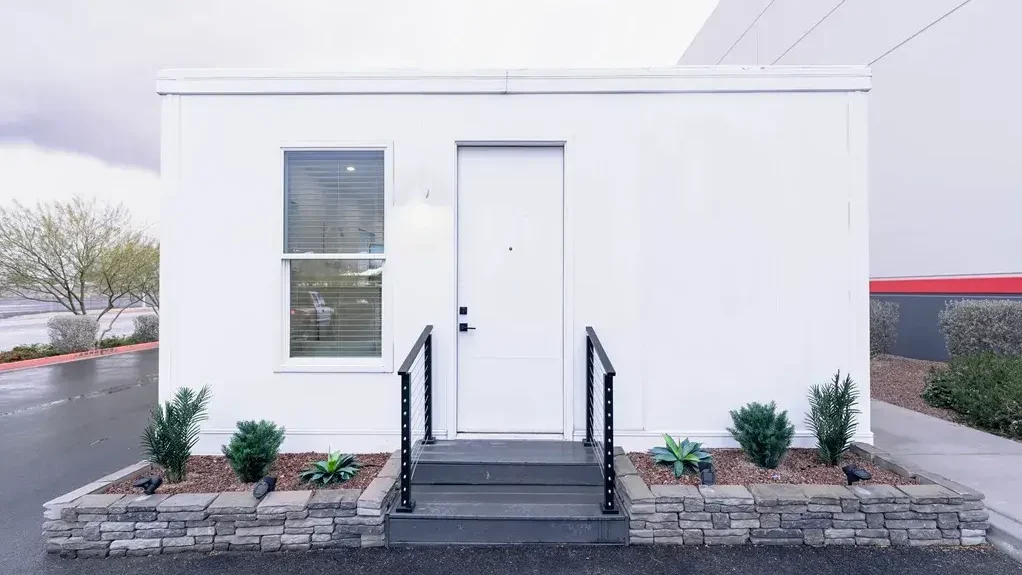
Average Prefab ADU Cost in 2026
Prefab ADU cost can vary widely depending on size, finishes, transportation distance, and local installation requirements.
In 2026, most homeowners can expect these general price ranges:
| ADU Type | Typical Cost Range |
|---|---|
| Small Studio Prefab | $80,000–$180,000 |
| 1-Bedroom Modular ADU | $150,000–$300,000 |
| High-End Factory-Built ADU | $300,000–$500,000+ |
These estimates often include the factory-built structure itself, but not always the full installation process.
Why Prefab Pricing Varies So Much
Several factors affect factory-built ADU prices, including:
- Unit size
- Interior finishes
- Delivery distance
- Crane access
- Foundation requirements
- Utility connections
- Local permit costs
Higher-end prefab ADUs with custom kitchens, large glass doors, and premium finishes can approach the cost of traditional custom-built units.
At the same time, the cheapest prefab ADU options may advertise low base pricing while excluding major installation expenses entirely.
According to the National Association of Home Builders, labor shortages and material costs continue to affect residential construction pricing nationwide, including modular housing.
For homeowners comparing modular vs custom ADU cost, evaluating the total installed price is usually far more important than focusing only on the advertised factory cost.
Prefab Doesn’t Mean Turnkey: Hidden Costs Homeowners Miss
One of the biggest misconceptions about prefab ADU cost is that the advertised factory price covers the entire project. In reality, many factory-built ADUs still require significant on-site work before they are move-in ready.
Common hidden costs include:
- Site preparation
- Foundation construction
- Utility trenching
- Permit fees
- Crane installation
- Landscaping repairs
Why Factory Pricing Can Be Misleading
Some prefab companies advertise only the base structure price while excluding:
- Delivery
- Utility hookups
- Local engineering
- Excavation
- City inspections
As a result, homeowners may initially believe a prefab backyard home cost is far lower than the actual final budget.
For example, a modular ADU advertised at $120,000 could still require:
- $15,000–$40,000 in site work
- $10,000–$30,000 for utilities
- $5,000–$20,000 for permits and installation logistics
depending on the property conditions.
Site Conditions Can Increase Costs Quickly
Difficult lots often create additional expenses, especially for:
- Sloped backyards
- Narrow side-yard access
- Urban neighborhoods
- Tree removal
- Drainage improvements
Crane access can also become expensive if the ADU must be lifted over existing homes or utility lines.
For homeowners comparing modular vs custom ADU cost, understanding these hidden infrastructure expenses is essential because prefab doesn’t automatically eliminate traditional construction costs — it simply shifts where many of those costs occur.
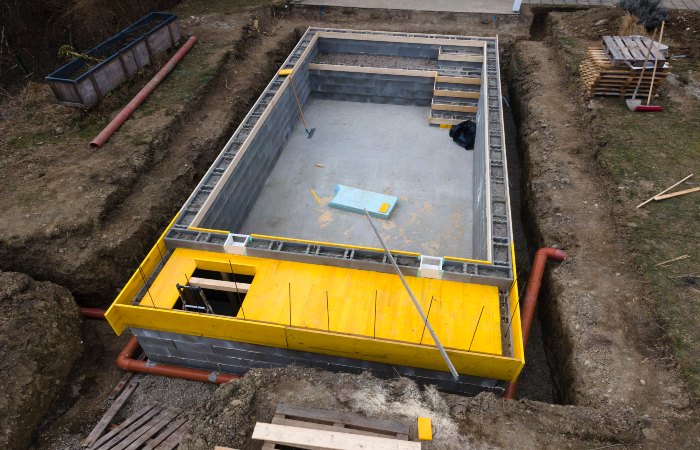
Site Preparation Costs for Prefab ADUs
Site preparation is one of the most underestimated parts of prefab ADU cost. Even if the unit is factory-built, the property still needs to be prepared before installation can begin.
Typical site prep work includes:
- Grading and excavation
- Drainage improvements
- Tree removal
- Access-path creation
- Soil stabilization
| Site Prep Item | Typical Cost Range |
|---|---|
| Grading & Excavation | $5,000–$25,000 |
| Drainage Improvements | $3,000–$15,000 |
| Tree Removal | $1,000–$10,000+ |
Why Difficult Lots Increase Costs
Some properties are far more expensive to prepare than others.
Higher site prep costs are common with:
- Sloped backyards
- Tight urban lots
- Narrow side-yard access
- Rocky soil conditions
- Limited crane access
In some cases, contractors may need temporary fencing removal, concrete demolition, or utility relocation before delivery can happen.
Access Limitations Can Affect Delivery
Factory-built ADUs still require enough physical space for:
- Transportation trucks
- Crane equipment
- On-site assembly crews
If access is restricted, crane installation becomes more complicated and expensive.
For many homeowners calculating prefab backyard home cost, site preparation becomes one of the biggest unexpected expenses because it varies dramatically based on property conditions, rather than the prefab unit itself.
Foundation Costs for Factory-Built ADUs
Even though prefab ADUs are built in factories, they still require permanent foundations that meet local building codes.
Foundation costs are a major part of modular ADU cost 2026 projects because the structure must be properly anchored, leveled, and connected to utilities before occupancy approval.
Common foundation types include:
- Concrete slab foundations
- Pier-and-beam systems
- Crawl space foundations
Typical Foundation Cost Ranges
| Foundation Type | Typical Cost Range |
|---|---|
| Concrete Slab | $8,000–$30,000 |
| Pier Foundation | $10,000–$35,000 |
| Crawl Space Foundation | $15,000–$40,000+ |
Why Foundations Still Matter for Prefab Homes
Some homeowners assume factory-built ADUs arrive fully finished and simply “drop into place,” but local foundations still require:
- Engineering approvals
- Soil evaluation
- Utility routing
- Structural reinforcement
- City inspections
Difficult soil conditions can increase costs significantly, especially on:
- Sloped lots
- Expansive clay soils
- Flood-prone properties
- Seismic zones
Utility Coordination Often Happens During Foundation Work
Foundation installation is also when contractors commonly prepare:
- Sewer connections
- Water lines
- Electrical conduits
- Gas routing
Because these systems are tied directly into the foundation layout, changes during installation can become expensive quickly.
For homeowners evaluating prefab ADU cost, foundation work is one of the clearest examples of why prefab doesn’t automatically eliminate traditional construction expenses.
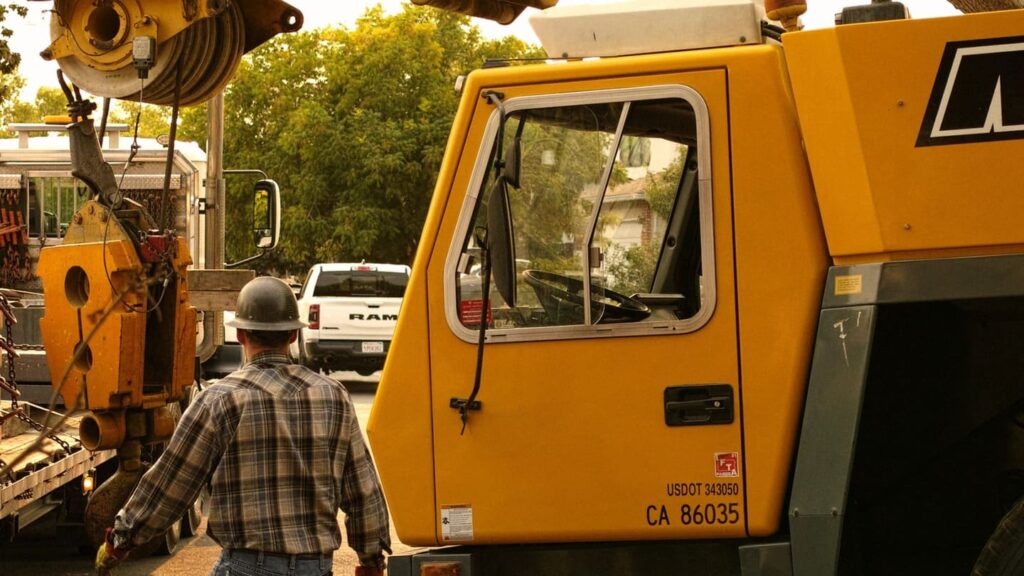
Crane Delivery Fees and Transportation Expenses
Crane delivery and transportation costs are some of the biggest hidden expenses affecting prefab ADU cost in 2026.
Because factory-built ADUs are transported in large sections, installation often requires:
- Oversized-load transportation
- Crane equipment
- Street access coordination
- Delivery permits
| Delivery Item | Typical Cost Range |
|---|---|
| Crane Rental | $3,000–$15,000 |
| Transportation | $5,000–$25,000+ |
| Street Closures | Variable |
Why Delivery Costs Vary So Much
Several factors can increase factory-built ADU prices during transportation and installation, including:
- Distance from the factory
- Narrow neighborhood streets
- Hillside properties
- Tight backyard access
- Utility line clearance
In dense urban neighborhoods, crane operators may need to lift the ADU over:
- Existing homes
- Garages
- Trees
- Power lines
This can require additional permits and traffic-control coordination.
Weather and Scheduling Can Also Affect Pricing
Delivery delays caused by:
- High winds
- Rain
- Permit scheduling
- Crane availability
can sometimes increase installation costs unexpectedly.
For homeowners comparing prefab backyard home cost options, transportation logistics often become one of the most overlooked factors because the farther and more complicated the delivery, the higher the final project cost tends to become.
Utility Hookup Costs for Prefab Backyard Homes
Utility hookups are one of the most expensive parts of prefab ADU cost that many homeowners underestimate during budgeting.
Even when the ADU arrives mostly finished from the factory, it still needs connections to:
- Sewer lines
- Water service
- Electrical systems
- Gas lines
- Internet infrastructure
Typical Utility Hookup Costs
| Utility Type | Typical Cost Range |
|---|---|
| Sewer Connection | $5,000–$20,000+ |
| Electrical Upgrades | $3,000–$15,000 |
| Water Line Installation | $2,000–$10,000 |
| Gas Hookups | $1,500–$8,000 |
Why Utility Costs Can Escalate Quickly
Several factors affect prefab backyard home cost during utility installation, including:
- Distance from the main house
- Trenching requirements
- Older utility infrastructure
- Local utility regulations
- Electrical panel capacity
Long trenching distances can significantly increase labor and restoration costs, especially if contractors must cut through:
- Concrete driveways
- Landscaping
- Patios
- Retaining walls
Electrical Upgrades Are Common
Many older homes require main-panel upgrades before adding a modular ADU.
In some cities, utility providers may also require:
- Separate meters
- Service-capacity upgrades
- Additional inspections
According to the California HCD ADU Resources, local utility and permitting rules can vary significantly between jurisdictions.
For homeowners evaluating modular vs custom ADU cost, utility infrastructure often becomes one of the biggest variables because these expenses depend more on the property itself than the prefab unit being installed.
Permit Complications With Modular and Prefab ADUs
Many homeowners assume prefab ADUs avoid local permitting problems because the structure is factory-built. In reality, modular ADU cost 2026 projects still require extensive local approvals in most cities.
Even when a prefab unit is state-certified, homeowners often still need:
- Building permits
- Site plans
- Utility approvals
- Zoning review
- Foundation inspections
Why Prefab ADUs Still Face Local Regulations
Local governments typically regulate:
- Setbacks
- Height limits
- Lot coverage
- Parking rules
- Utility connections
- Neighborhood compatibility
This means a factory-built ADU may still need modifications to meet city-specific code requirements.
Some homeowners are surprised to discover that permit timelines for prefab projects can be nearly as long as traditional construction in stricter jurisdictions.
HOA and Neighborhood Restrictions
In some areas, homeowners associations may also restrict:
- Exterior materials
- Roof styles
- Unit placement
- Architectural appearance
Even the cheapest prefab ADU may become more expensive if redesigns or permit revisions are required after purchase.
Inspection Delays Can Affect Timelines
Prefab ADUs still commonly require inspections for:
- Foundations
- Utility connections
- Electrical systems
- Final occupancy approval
According to the California HCD ADU Resources, local jurisdictions maintain authority over many site-specific ADU regulations even when modular construction methods are used.
For homeowners comparing modular vs custom ADU cost, permitting complexity is important because prefab construction may reduce factory build time, but it does not eliminate local approval requirements.
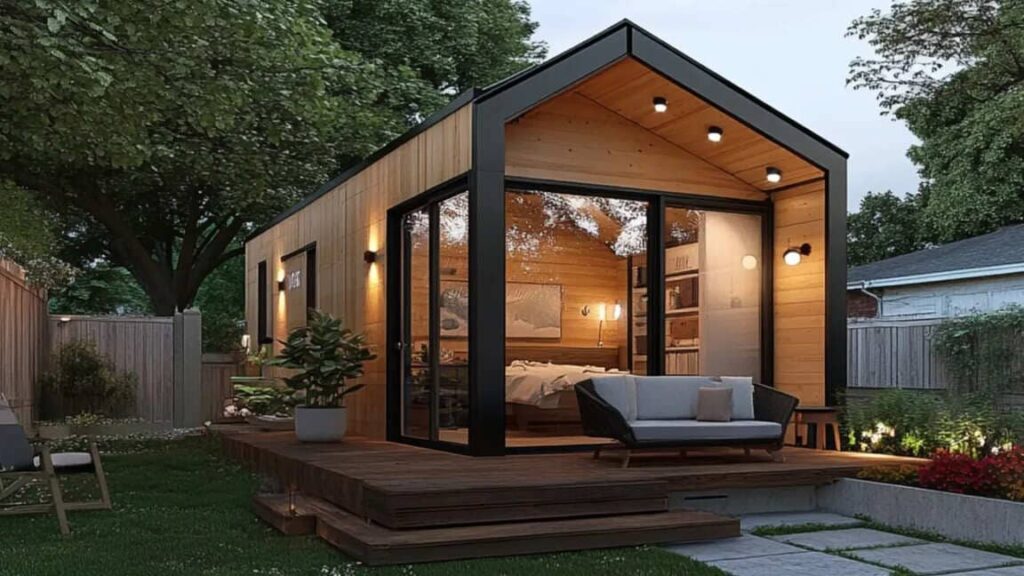
Modular vs Custom ADU Cost Comparison
One of the biggest questions homeowners ask in 2026 is whether modular construction actually saves money compared to building a custom ADU from scratch.
The answer depends heavily on:
- Property conditions
- Design complexity
- Utility infrastructure
- Local permit requirements
- Desired finishes
| Factor | Modular ADU | Custom ADU |
|---|---|---|
| Build Speed | Faster | Slower |
| Design Flexibility | Moderate | High |
| Pricing Predictability | Better | Variable |
| Site Work Costs | Still Required | Still Required |
| Customization | Limited | Extensive |
When Modular ADUs Can Save Money
Factory-built ADUs may reduce costs when:
- The lot has easy access
- Utility hookups are simple
- Standard floor plans are acceptable
- Local permitting is straightforward
Because much of the construction happens indoors, modular projects may also avoid weather delays and labor scheduling problems common in traditional construction.
When Custom ADUs May Provide Better Value
Custom ADUs often make more sense for:
- Irregular lots
- Hillside properties
- Luxury finishes
- Unique architectural designs
- Complex zoning situations
In some cases, modular vs custom ADU cost differences become smaller once homeowners add:
- Crane delivery
- Utility upgrades
- Site preparation
- Permit revisions
- Foundation engineering
A factory-built ADU may appear cheaper initially, but total installed costs can sometimes approach traditional construction pricing depending on the project complexity.
For many homeowners, the decision ultimately comes down to balancing:
- Speed
- Customization
- Budget predictability
- Long-term property value
Are the Cheapest Prefab ADUs Actually Worth It?
The cheapest prefab ADU options can look appealing at first, especially when companies advertise low starting prices online. However, many low-cost units exclude major expenses that homeowners still need to pay separately.
Common exclusions include:
- Foundation work
- Utility hookups
- Delivery fees
- Permits
- Site preparation
- Interior upgrades
Why Cheap Prefab ADUs Can Become Expensive Later
Some factory-built ADUs advertise base prices that cover only the structure itself.
After installation costs are added, homeowners may still face:
- Crane delivery expenses
- Electrical upgrades
- Sewer connections
- Engineering fees
- Landscaping repairs
In some cases, upgrade packages for:
- Kitchens
- Flooring
- Windows
- Insulation
- Appliances
can increase prefab backyard home cost significantly beyond the advertised price.
Material Quality and Customization Limits
Lower-cost prefab units may also use:
- Basic finishes
- Limited floor plan options
- Lower-grade materials
- Minimal sound insulation
Customization is often more restricted compared to custom-built ADUs.
For homeowners prioritizing long-term rental value or resale appeal, these limitations can become important over time.
Warranty and Service Considerations
Some prefab companies provide limited warranty support after installation, especially if:
- Third-party contractors handled site work
- Utility connections were installed separately
- Local modifications were made after delivery
This can create confusion if structural or installation-related problems appear later.
For homeowners evaluating modular ADU cost 2026 projects, the lowest advertised price is rarely the most accurate measure of overall value. In many cases, total installed cost, construction quality, and long-term durability matter far more than the factory base price alone.
How to Estimate the Real Total Cost of a Prefab ADU
The real prefab ADU cost is rarely just the factory price shown in advertisements. Homeowners need to calculate the full installed project cost before deciding whether a modular unit actually fits their budget.
Major Costs Homeowners Should Include
A realistic prefab backyard home cost estimate should include:
- Factory-built unit price
- Site preparation
- Foundation construction
- Utility hookups
- Crane delivery
- Permits and inspections
- Landscaping restoration
- Financing expenses
Many homeowners also forget to budget for:
- Design upgrades
- Appliance packages
- Storage additions
- Driveway or fencing repairs
- Temporary access work
Example of a Realistic Cost Breakdown
| Expense Category | Typical Cost Range |
|---|---|
| Prefab Unit | $100,000–$250,000+ |
| Site Prep & Foundation | $20,000–$60,000 |
| Utilities | $10,000–$40,000 |
| Delivery & Crane | $8,000–$30,000 |
| Permits & Fees | $5,000–$20,000 |
Depending on the property, hidden infrastructure costs can sometimes equal or exceed the factory-built structure itself.
Why Contingency Budgets Matter
Unexpected expenses are common in modular ADU cost 2026 projects because:
- Soil conditions vary
- Utility layouts differ
- Permit revisions happen
- Delivery logistics change
Many contractors recommend setting aside an additional 10–20% contingency budget for unforeseen costs.
For homeowners comparing modular vs custom ADU cost, evaluating the full installed price — not just the advertised prefab price — is usually the most accurate way to determine whether factory-built construction is actually the cheaper option.
Conclusion
Prefab ADU cost in 2026 involves far more than the factory price alone. While factory-built ADUs can reduce construction timelines, homeowners still need to budget for:
- Site preparation
- Foundations
- Utility hookups
- Crane delivery
- Permits and inspections
In many cases, these hidden costs determine whether a modular ADU is actually cheaper than a custom build.
Prefab ADUs can still offer advantages like faster installation and more predictable pricing, but prefab doesn’t always mean turnkey.
For homeowners comparing modular vs custom ADU cost, evaluating the full installed project budget — not just the advertised unit price — is the best way to avoid expensive surprises later.
FAQs About Prefab ADU Costs
Are prefab ADUs cheaper than custom ADUs?
Sometimes. Prefab ADUs can reduce labor time and improve pricing predictability, but total costs still depend heavily on site work, utilities, permits, and delivery logistics.
What is included in prefab ADU pricing?
Many factory-built ADU prices include the structure itself, but often exclude:
- Foundations
- Utility hookups
- Crane installation
- Permits
- Site preparation
- Landscaping restoration
How much does crane delivery cost?
Crane delivery for prefab ADUs typically ranges from $3,000 to $15,000 or more depending on:
- Property access
- Crane size
- Lift complexity
- Neighborhood conditions
Do prefab ADUs require foundations?
Yes. Most modular and factory-built ADUs still require permanent foundations that meet local engineering and building code requirements.
What hidden costs do prefab ADUs have?
Common hidden prefab backyard home cost factors include:
- Utility trenching
- Electrical upgrades
- Permit fees
- Soil work
- Drainage improvements
- Transportation logistics
Is the cheapest prefab ADU the best value?
Not always. Lower-cost prefab units may use basic finishes, limited customization, and lower-grade materials. In many cases, the total installed cost matters far more than the advertised base price alone.