Sacramento has quietly become one of the most ADU-friendly cities in California. Permit applications have surged more than 300% since 2020, the city’s Community Development Department offers free pre-approved plan sets that cut approval timelines nearly in half, and construction costs run meaningfully below what homeowners face in the Bay Area or Los Angeles. If you’ve been waiting for the right moment to add a backyard home in Sacramento, 2026 is as good as it’s been.
That said, “ADU-friendly” doesn’t mean frictionless. Sacramento’s location at the confluence of the Sacramento and American Rivers puts a significant portion of the city in or near FEMA flood zones — a detail that can reshape your budget before a permit is filed. The city’s unique dual-utility structure (SMUD for electricity, PG&E for gas) creates a specific set of hookup decisions. And grandfathered garage setbacks work differently than most homeowners assume.
This Sacramento ADU guide covers what you actually need to know in 2026: real costs, how garage conversion rules work here specifically, what flood zone status means for your foundation budget, and how to move through permits as fast as the law allows.
For vetted local contractors who know Sacramento’s permit environment firsthand, FindADUPros is worth a look before you commit to anyone.
Sacramento ADU Construction Costs: 2026 Price Estimates
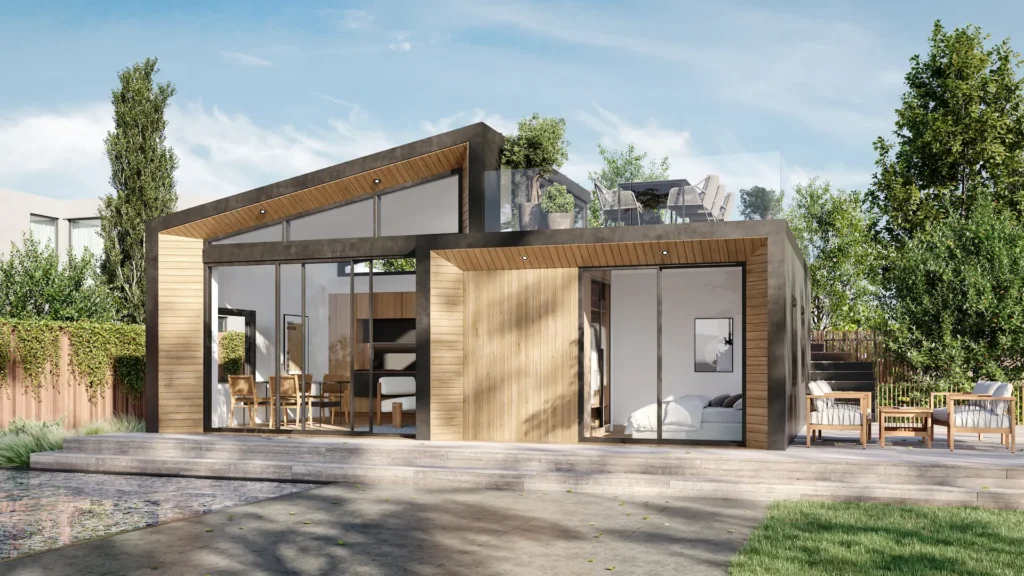
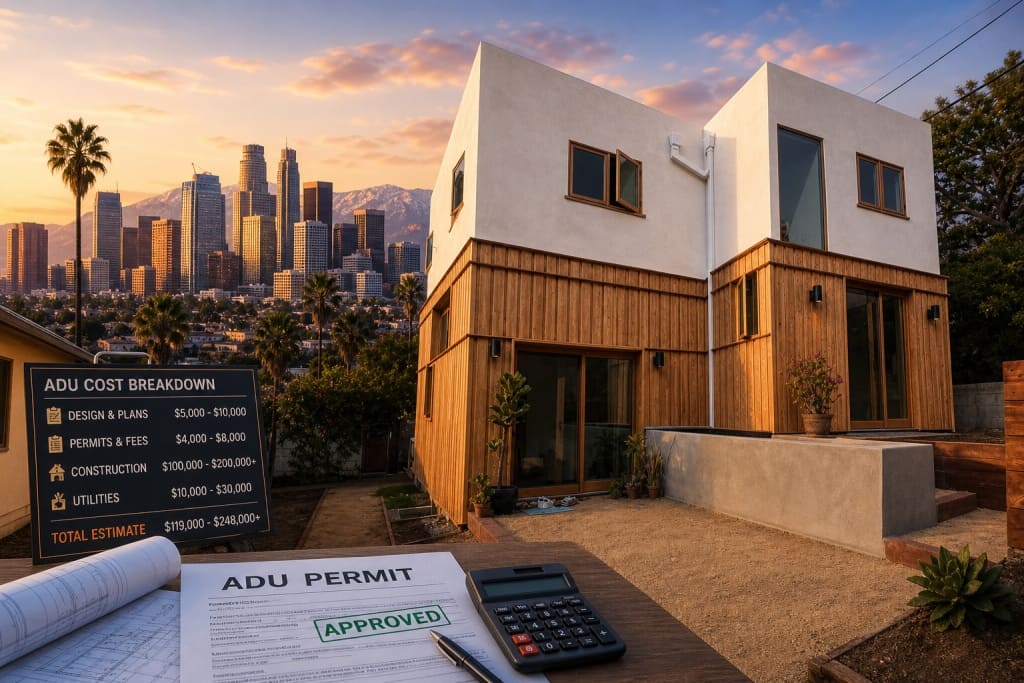
Sacramento ADU costs run below Bay Area and LA benchmarks — a genuine structural advantage for homeowners here. Most projects land in these all-in ranges:
- Garage conversion: $75,000–$160,000 (the most cost-effective starting point)
- Attached ADU: $120,000–$220,000
- Detached ADU (600–900 sq ft): $180,000–$320,000
- Detached ADU (900–1,200 sq ft): $280,000–$400,000+
The all-in budget includes architectural plans ($6,000–$14,000 depending on complexity), Sacramento Community Development Department permit and plan review fees ($3,000–$11,000), and construction costs.
The Impact Fee Threshold You Need to Know
The City of Sacramento waives all development impact fees — park development, transit, and school district fees — for any ADU under 750 square feet. For units at or above 750 sq ft, these fees are assessed proportionally based on the size relationship to the primary home and can add $3,000–$8,000 to your project’s bottom line. Keeping your footprint under 750 sq ft is one of the clearest budget optimizations available on this project type.
Utility Hookups: Managing SMUD Electrical Upgrades and Sewer Laterals
Utility connections are where Sacramento ADU costs most commonly run over. They rarely appear in contractor estimates and typically surface during permit review or early construction.
Sacramento is unique among major California cities because electrical service is provided by the Sacramento Municipal Utility District (SMUD) — not PG&E — while natural gas (if used) is supplied by PG&E. This distinction has a direct impact on how you should design your ADU’s utilities.
SMUD allows ADUs to pull power from the primary home’s panel via a subpanel, provided the main panel is upgraded to 200 amps. A 200-amp SMUD panel upgrade typically runs $3,500–$6,000 and is required for nearly all detached ADU projects. The practical advice: build all-electric. An all-electric ADU eliminates the need for a separate PG&E gas line, streamlines SMUD permitting, and aligns directly with California’s Title 24 energy efficiency mandates that govern all new construction. Avoiding PG&E line extension costs ($2,000–$5,000) removes one of the more unpredictable budget variables on the project.
The other utility items to budget explicitly:
- Water and sewer connection: $5,000–$15,000 depending on distance and whether trenching across landscaping or hardscaping is required
- Sewer lateral condition: Sacramento permits ADUs to tie into the primary home’s existing lateral — but if the main line is aging clay pipe, the city will mandate a complete lateral replacement before the ADU connection is approved. A full replacement runs $8,000–$15,000
- Ejector pump system: If your backyard slopes away from the street, gravity won’t move waste uphill to the city main. Budget $3,000–$7,000 if your lot’s elevation requires it
Add 15–20% above your construction contract as a contingency for utility surprises. In Sacramento’s older neighborhoods, what’s underground rarely matches what the surface suggests.
Sacramento Garage Conversion Rules: Setbacks and Grandfathered Footprints
Why Garage Conversions Are the Smart Starting Point
A Sacramento garage conversion permit is faster, cheaper, and less structurally complex than a new detached build. In 2026, local rules make the process more accessible than ever:
- No new setbacks required for conversions within the existing garage footprint
- No new foundation costs — the existing slab is retained and upgraded
- Faster timeline — 3–5 months from permit to completion versus 6–9 for a detached build
- Lower all-in cost — $75,000–$160,000 versus $180,000–$400,000+ for new detached construction
A two-car garage gives you 400–500 sq ft of buildable area — enough for a full one-bedroom apartment with a kitchen, bathroom, and separate entrance.
The Grandfathered Zero-Setback Rule: Critical for Older Properties
Here’s the Sacramento-specific detail most guides miss. Under California and Sacramento local code, if your existing legally built garage sits at or near the property line — even at zero setback — you can convert it and keep those zero setbacks. The grandfathered footprint is protected.
However, the moment you tear down that garage to build a new detached ADU from scratch, you lose the grandfathered status permanently. A new structure must comply with current rules: four-foot rear and side setbacks minimum, pulling the buildable area further from the property line and potentially shrinking the footprint significantly on tighter lots.
The practical implication: if your garage sits close to a property line, convert it — don’t demolish it. The grandfathered position is an asset you cannot recover once the original structure comes down.
What a Sacramento Garage Conversion Permit Covers
The Sacramento Community Development Department ADU permit review for a garage conversion includes:
- Structural review of existing framing, roof, and foundation. Unpermitted modifications to the original structure must be resolved before the ADU permit is issued
- Title 24 insulation and thermal envelope compliance — garage walls and ceilings require significant insulation upgrades
- Egress windows in any sleeping area — standard garage windows almost never meet minimum dimensions
- Structural header for the garage door infill — the original opening requires proper load-bearing framing when the door is replaced
- Dedicated entrance separate from the primary home’s entry

How Sacramento’s FEMA Flood Zones Reshape Your ADU Budget
This is the section of the Sacramento ADU guide that most online resources skip — and it’s the detail that can add $15,000–$35,000 to your project or force a complete redesign before a permit is filed.
Sacramento sits at the confluence of the Sacramento and American Rivers. A meaningful portion of the city falls within FEMA-designated Special Flood Hazard Areas, and the rules for building within them are specific and non-negotiable.
Understanding Sacramento’s Flood Zone Designations
- Zone AE (High Risk): 1% annual flood probability. Flood insurance required for federally-backed mortgages. Affects portions of Natomas, areas near the American River Parkway, and parts of South Sacramento
- Zone X (Shaded — Moderate Risk): Flood insurance not mandatory but recommended. Pocket, Greenhaven, and parts of East Sacramento. Subject to additional local requirements under Sacramento County’s Floodplain Management Ordinance (effective June 2025)
- Zone X (Unshaded — Low Risk): East Sacramento, Land Park, and eastern suburbs like Folsom. Standard ADU construction applies
The Structural Difference: Zone AE Raised Foundations vs. Standard Slabs
If your property is in Zone AE, your ADU must have its lowest floor elevated at least one foot above the published Base Flood Elevation (BFE). On a standard flat lot, this means a raised foundation rather than a slab on grade — adding $15,000–$35,000 to your project. Your site plan must show the flood zone designation, the BFE, and the proposed finished floor elevation. A FEMA Elevation Certificate is required after construction.
On shaded Zone X properties, Sacramento County’s Floodplain Management Ordinance may impose additional review requirements and freeboard standards even without a federal BFE mandate. Confirm current requirements with the City’s Floodplain Administrator before your designer finalizes the foundation system.
Sacramento ADU Site Feasibility Checklist
Before spending thousands on plans, run your property through this local constraint audit:
- FEMA Flood Map Check: Look up your address at the FEMA Flood Map Service Center to verify Zone AE (raised foundation required) or Shaded Zone X (local floodplain review required)
- The 4-Foot Boundary Rule: Measure from your side and rear property lines; ensure your planned detached footprint leaves a clear 4-foot buffer. If your existing garage sits closer, convert — don’t demolish
- Sacramento Tree Canopy Ordinance: Sacramento is the “City of Trees.” If your ADU footprint falls within the drip-line of a Heritage Tree (native tree with trunk circumference of 36 inches or greater), you must secure a special tree permit and alter your foundation design
- Sewer Lateral Condition: Verify whether your primary home’s sewer lateral is PVC or aging clay pipe. If clay, budget for a complete lateral replacement ($8,000–$15,000) before the city approves an ADU tie-in
Navigating the Permit Process: City Pre-Approved Plans vs. Custom Designs
The 60-Day Ministerial Clock
Under current California ADU laws, Sacramento’s Community Development Department must approve or deny a complete ADU application within 60 days. This is a legal mandate, not a target. If the city fails to meet it without a valid correction notice, homeowners have legal remedies. This shot clock protects Sacramento homeowners from the open-ended delays that characterized the permit process a decade ago.
How City of Sacramento Pre-Approved ADU Plans Work
Under AB 1332 (effective 2025), the Sacramento Community Development Department offers several full-set pre-approved ADU designs — ranging from studios to two-bedroom layouts — free or for a nominal master-plan fee. These plans have already passed architectural and structural review, collapsing the city’s plan-check window from 60 days to 30 days.
Using a City of Sacramento pre-approved ADU plan cuts design fees by 40–50% — removing $6,000–$8,000 or more from your soft costs. The important caveat: pre-approved plans still require site-specific engineering. You’ll need a foundation mapping report for your specific soil type and a utility routing layout showing how SMUD electrical service, sewer, and water reach the unit. These site-specific documents run $2,000–$5,000 typically but are required before the CDD will issue a permit.
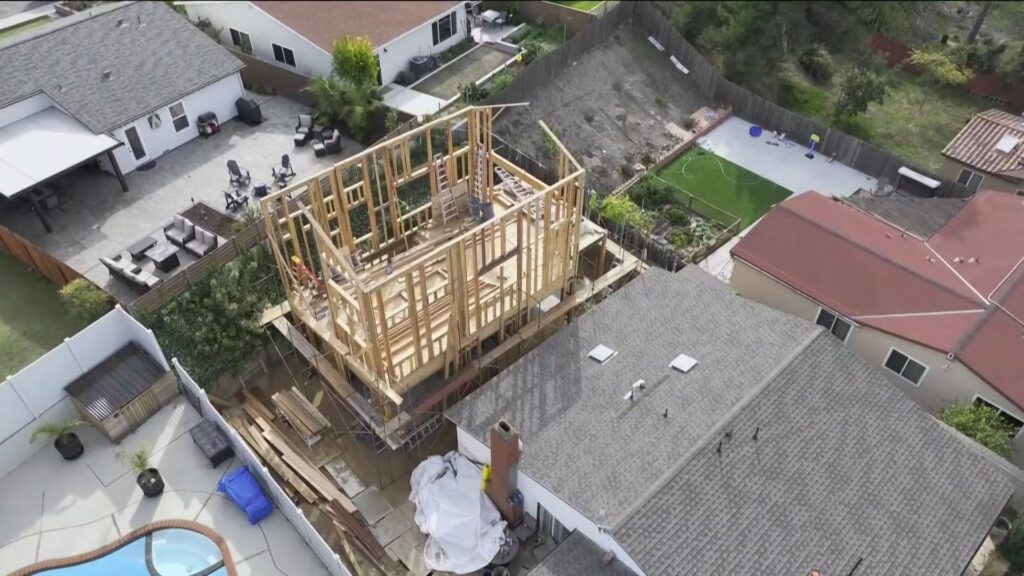
What California ADU Law Requires: The Sacramento Basics
California ADU laws set the floor, and Sacramento has adopted them without adding significant restrictive layers. The core 2026 rules:
- Setbacks: Four-foot side and rear setbacks for detached ADUs. Zero setbacks for garage conversions within the existing footprint
- Height: Up to 16 feet for single-story detached ADUs; up to 25 feet within half a mile of a major transit stop
- Size: Detached ADUs up to 1,200 sq ft; JADUs up to 500 sq ft; attached ADUs up to 50% of the primary dwelling or 1,200 sq ft, whichever is less
- Parking: No additional parking required — state law overrides local requirements
- Owner-occupancy: Not required for full ADUs permitted after January 1, 2020. JADUs still require owner-occupancy of either the JADU or the primary home — investors should apply for a full ADU to avoid rejection
The Bottom Line for Sacramento Homeowners
Sacramento has built one of the more functional ADU ecosystems in California — below-average construction costs, a cooperative permit environment, free pre-approved plans that cut timelines and fees, and state law that removes most traditional barriers. The variables that Sacramento adds on top are the flood zone map, the SMUD vs. PG&E utility structure, and the grandfathered garage setback rules that reward conversion over demolition.
Check your flood zone before your designer draws anything. Build all-electric to simplify your SMUD hookup and avoid PG&E line costs. If you have an existing garage close to the property line, convert it rather than tear it down. Keep your footprint under 750 sq ft to avoid impact fees. And use the City’s pre-approved plan library if your project fits a standard layout.
For local contractor referrals, ADU design guidance, and help navigating Sacramento’s specific permit requirements, visit FindADUPros.