No zoning doesn’t mean no rules. That’s what most Houston homeowners discover when they start researching ADU development — often after already spending money on plans. Houston’s lack of a traditional zoning ordinance creates genuine opportunity, but it doesn’t erase the permit process, the building code, or the deed restrictions that govern most established neighborhoods.
ADU interest has surged across the city as updated Livable Places amendments to Chapter 42 formally recognized the “Second Dwelling Unit,” making secondary units more accessible on paper. Getting one actually built requires understanding two separate rule sets: city code and deed restrictions. This guide covers both, along with the post-Harvey flood standards, real 2026 costs, and what contractors are actually required to hold in Houston.
Houston ADU Rules: The Two Layers That Actually Govern Your Project
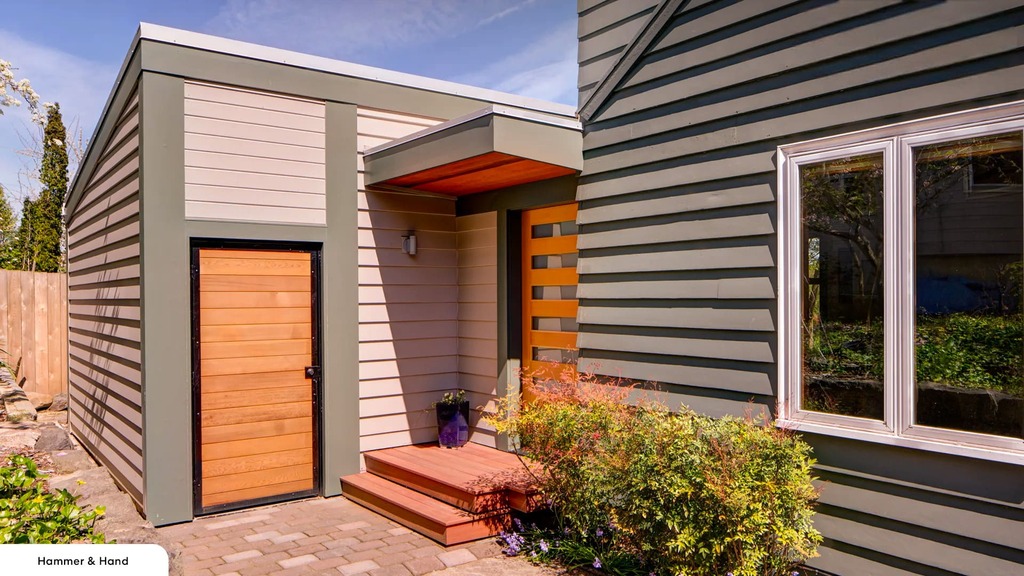
Houston regulates ADU development through Chapter 42 (Subdivisions) and Chapter 26 (Buildings) of the City Code — not a zoning ordinance. Under the Livable Places updates, the city now explicitly permits Second Dwelling Units on single-family lots, with one firm rule: an ADU’s square footage cannot exceed the square footage of the primary home.
That’s the city layer. The second layer — deed restrictions — is where most projects run into trouble. Deed restrictions are private covenants attached to individual subdivisions. They can prohibit secondary structures entirely, cap unit size below city limits, ban two-story backyard buildings, or restrict rental use. An ADU that’s fully city-code compliant can still be stopped by an active deed restriction.
Search your property’s deed history through the Harris County Clerk’s Official Records before investing in any plans. Many restrictions in older Houston neighborhoods have lapsed — but you need to confirm that, not assume it.
Houston ADU Regulation Matrix
| Requirement | Chapter 42/26 Standard | Deed Restriction Reality |
| Maximum Unit Size | Cannot exceed sq ft of primary home | Can cap lower (e.g., 500 sq ft) or ban entirely |
| Setbacks | 3–5 ft from side/rear lines (typical) | Often 10–20 ft in older subdivisions |
| Off-Street Parking | 1 space required per ADU | May require paved driveway; lawn parking prohibited |
| Height / Stories | Standard residential tiers apply | Many neighborhoods ban 2-story backyard structures |
| Unit Type | Second Dwelling Unit recognized under Livable Places | Single-family deed may void any 2nd unit |

The Harvey Standard: Flood Elevation Requirements for Houston ADUs
If your property sits in a designated Special Flood Hazard Area, Houston’s post-Harvey flood code directly affects your ADU. Any new residential construction in a regulated floodplain — including detached ADUs — must have a finished floor elevation at least 2 feet above the 500-year floodplain level. That’s a stricter standard than most cities use, and it can add $25,000–$60,000 to your project through elevated foundations and additional engineering.
To verify your flood zone status before designing anything:
- Check the Harris County Flood Control District’s interactive map (harriscountyflooding.com)
- Cross-reference with FEMA’s Flood Map Service Center (msc.fema.gov) for your official FIRM designation
- Budget for an Elevation Certificate from a licensed surveyor — the City requires one for permit submission on flood-zone properties
The City of Houston Floodplain Management Office maintains current standards and can confirm what’s required for your specific address.
Chapter 42 Plan Review: What Houston’s Permit Process Actually Requires
Every Houston ADU needs a building permit. The City’s Development Services Department handles plan review, and submissions typically require: architectural plans stamped by a licensed architect or engineer; a scaled site plan showing setbacks, easements, and utility locations; foundation engineering with soil data (Houston’s expansive clay makes this standard); MEP plans for fully detached units; an Elevation Certificate if the property is in a flood zone; and an impervious cover calculation.
Expect 4–8 weeks for simple conversions and 10–20 weeks for new above-garage or detached ADU construction. The most common cause of delay is an incomplete plan set — missing dimensions, wrong setback calculations, or absent utility documentation. An architect with Houston ADU permit experience pays for itself in avoided revision cycles.
Use the Zoning Information Lookup at FindADUPros to check what standards apply to your address before committing to plans.
Garage Apartments & ADU Costs in Houston: 2026 Numbers
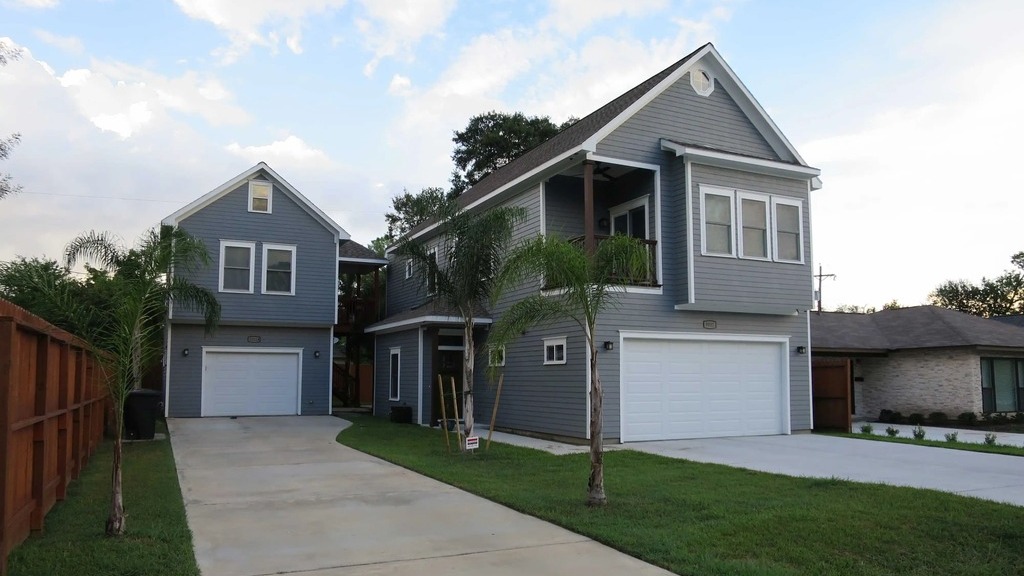
Garage apartments remain Houston’s most popular ADU format — compact footprint, integrated design, strong rental appeal. But before assuming yours is buildable, check deed restrictions for language banning two-story backyard structures. That single clause kills more garage apartment projects than any city regulation.
For properties where they’re viable:
| ADU Type | Cost Range | Total Timeline |
| Above-Garage Apartment | $130,000 – $220,000 | 12–18 months |
| Detached Backyard ADU | $160,000 – $390,000+ | 14–22 months |
| Ground-Level Garage Conversion | $70,000 – $145,000 | 8–14 months |
| Prefab / Modular ADU | $90,000 – $210,000 | 10–16 months |
| Interior JADU Conversion | $40,000 – $90,000 | 6–10 months |
Houston-specific factors — clay soil foundations, post-Harvey elevation requirements, and heat-rated HVAC — push budgets higher than comparable projects elsewhere. Budget 15–20% above your initial estimate for contingency. The ADU Cost Calculator at FindADUPros can help you build a more precise estimate before approaching contractors.
Hiring a Contractor: What Houston ADU Actually Requires
Texas does not issue a statewide general contractor license — this is a common misconception that several published guides repeat as fact. The Texas Department of Licensing and Regulation (TDLR) licenses specialty trades like electricians and HVAC technicians. Plumbers fall under the Texas State Board of Plumbing Examiners (TSBPE). General contractors have no state-level license requirement.
What Houston GCs must hold is a Municipal Contractor Registration with the City of Houston’s Development Services Department. Without it, they cannot pull a building permit. When vetting contractors, ask for their registration number directly and verify it with Development Services. Also request proof of general liability insurance — $500,000 minimum, though $1M is standard for projects of this size — and workers’ compensation documentation.
Use the Contractor License Lookup at FindADUPros to verify credentials before any conversation goes further.
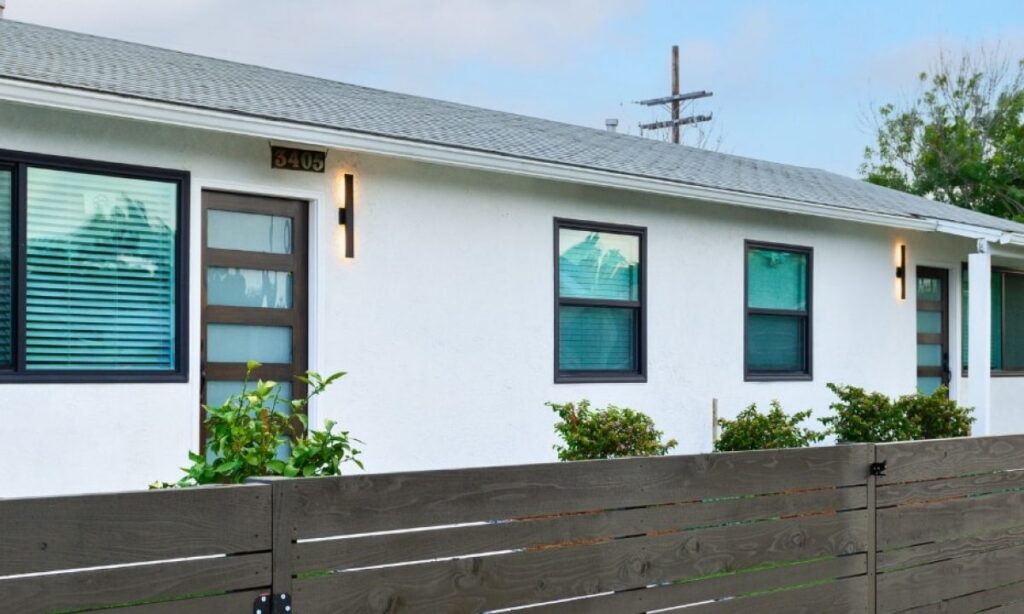
Rental Income Potential in 2026
Houston’s diversified economy — energy, healthcare, the Texas Medical Center — sustains rental demand across submarkets. ADU income varies significantly by location:
| Location / Unit Type | Est. Monthly Rent |
| Studio, Inner Loop | $1,100 – $1,600 |
| 1-BR Garage Apartment, Heights/Montrose | $1,300 – $2,000 |
| 2-BR Detached ADU, Medical Center area | $1,600 – $2,400 |
| Short-term rental, Inner Loop | $2,000 – $3,800+ |
At $185,000 invested and $1,700/month in rent, a Houston garage apartment returns roughly $20,400 annually before expenses — around 11% gross. Net returns, after vacancy, maintenance, and taxes, typically land in the 6–8% range. Model your specific scenario with the ADU Loan Calculator at FindADUPros.
If you plan to list on short-term rental platforms, review Houston’s Chapter 28 STR registration requirements before finalizing your investment plan.
The Bottom Line
Houston ADU opportunity is real — the Livable Places updates, the Second Dwelling Unit framework, and the city’s flexible lot development approach create options that don’t exist in more restrictively zoned markets. But deed restriction traps, Harvey-era flood standards, and the Municipal Contractor Registration requirement are all equally real.
Start with a deed restriction check and a flood zone lookup. Then use the AI ADU Design Advisor at FindADUPros to explore what’s feasible on your specific property before committing to plans or contractors.
FAQs: Houston ADU Rules in 2026
Does Houston have ADU zoning laws?
Houston has no traditional zoning, but ADU development is governed by Chapter 42 and Chapter 26 of the City Code, the Livable Places ordinance, post-Harvey flood regulations, and deed restrictions that vary by neighborhood.
What’s the maximum ADU size in Houston?
Under Chapter 42 updates, an ADU size in Houston cannot exceed the square footage of the primary dwelling. Deed restrictions may impose stricter limits.
Do I need a licensed general contractor in Texas?
Texas has no statewide GC license. Houston contractors must hold a Municipal Contractor Registration with the City’s Development Services Department to pull permits.
How do I check if my property is in a floodplain?
Use the Harris County Flood Control District map and FEMA’s Flood Map Service Center. Properties in a Special Flood Hazard Area must build ADUs with finished floors at least 2 feet above the 500-year floodplain level.
How much does a Houston ADU cost in 2026?
Garage apartments run $130,000–$220,000. Detached ADUs range from $160,000 to $390,000+. Budget an additional 15–20% for contingency, given Houston’s soil and flood conditions.