Rising home prices and rental demand have made accessory dwelling units increasingly popular across Colorado, but building one in Denver comes with its own challenges. From zoning restrictions to winter construction delays, many homeowners underestimate how complex the process can become.
This Denver ADU Guide explains what homeowners need to know before starting an ADU project in 2026, including Denver ADU regulations, permit timelines, hidden costs, and construction considerations.
According to the City and County of Denver Community Planning & Development, zoning and lot eligibility rules still vary by neighborhood, which can affect approvals and project costs.
Understanding these requirements early can help homeowners avoid expensive delays and make smarter decisions before construction begins.
Why ADUs Are Becoming Popular in Denver
Denver has seen rapid growth in ADU development as homeowners look for ways to create rental income and maximize property value in a competitive housing market.
Many property owners are building ADUs to:
- Generate long-term rental income
- Create multigenerational housing
- Add guest or office space
- Increase resale value
Neighborhoods with alley access and larger backyard lots have become especially attractive for detached ADU projects.
Denver’s rising housing costs have also increased demand for smaller rental units, making ADUs appealing for both homeowners and tenants. According to local housing trends and the City and County of Denver Community Planning & Development, more residential areas now allow accessory dwelling units under updated zoning policies.
For many homeowners, ADUs are no longer viewed as simple backyard additions but as long-term real estate investments with flexible housing potential.
Denver ADU Regulations in 2026
Understanding Denver ADU regulations is one of the most important parts of planning a successful project. While Denver has expanded ADU opportunities in recent years, zoning and neighborhood-specific rules still determine where and how units can be built.
Key factors that affect ADU approval include:
- Property zoning district
- Lot size and layout
- Building height limits
- Setback requirements
- Alley access
- Parking regulations
Detached and attached ADUs may also follow different design and occupancy rules depending on the neighborhood.
Some historic districts and HOA-controlled communities may have additional restrictions beyond standard city zoning requirements.
According to the City and County of Denver Community Planning & Development, homeowners should verify zoning eligibility before investing in architectural plans or contractor estimates.
One common mistake is assuming every Denver property automatically qualifies for a detached backyard ADU. In reality, lot dimensions, access requirements, and neighborhood overlays can still affect project approvals significantly.
ADU Cost Denver Homeowners Should Expect
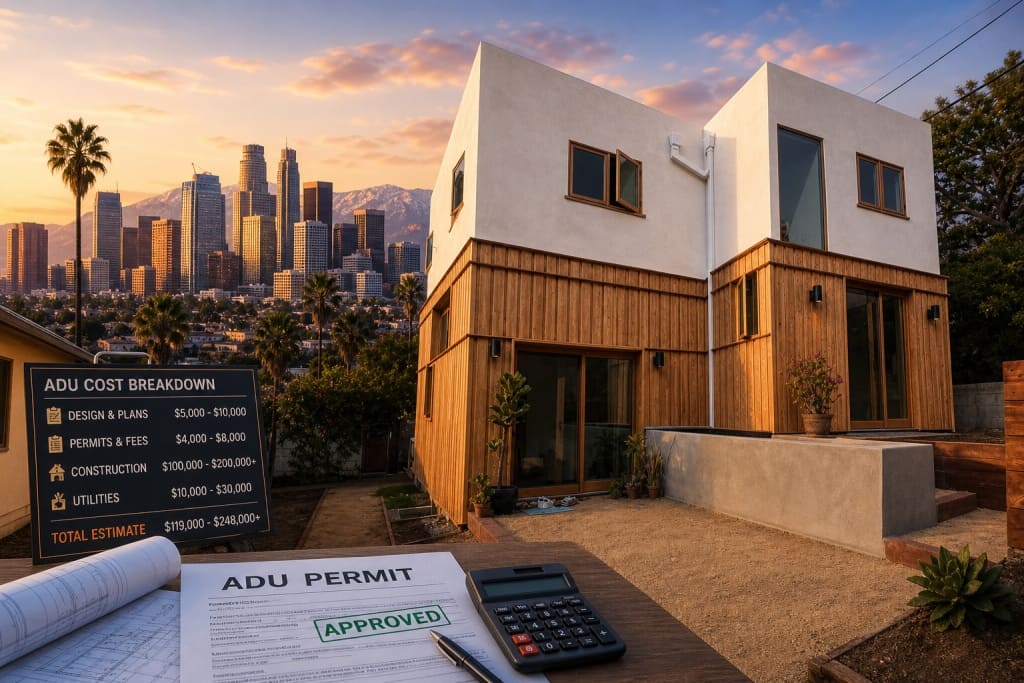
The ADU cost Denver homeowners face in 2026 can vary widely depending on the type of unit, lot conditions, and construction complexity.
Here’s a general cost breakdown:
| ADU Type | Estimated Cost |
|---|---|
| Garage Conversion | $90,000–$170,000 |
| Attached ADU | $140,000–$280,000 |
| Detached ADU | $220,000–$450,000+ |
| Prefab ADU | $120,000–$260,000 |
Several factors continue to push Denver construction costs higher, including:
- Labor shortages
- Material price increases
- Utility upgrades
- Site preparation
- Winter weather delays
Detached ADUs are typically the most expensive because they require separate foundations, roofing, plumbing, and electrical systems.
Snow-load engineering requirements can also increase structural costs in Denver compared to warmer-climate cities.
According to the National Association of Home Builders, labor and material volatility continue to affect residential construction pricing across many U.S. housing markets.
For homeowners planning an ADU project, budgeting beyond the initial contractor estimate is usually essential to avoid expensive surprises later.
Hidden Costs Most Denver Homeowners Miss
Many homeowners budget for basic construction but overlook the additional expenses that appear during the ADU process.
Common hidden costs include:
- Permit and inspection fees
- Utility trenching and hookups
- Drainage improvements
- Foundation reinforcement
- Landscaping restoration
- Snow-load structural engineering
Winter weather can also increase labor and scheduling costs in Denver. Delays caused by snow, frozen ground, or material delivery issues may extend project timelines and increase contractor expenses.
Older properties sometimes require electrical, sewer, or water line upgrades before the ADU can pass final inspections.
These unexpected costs are one reason many ADU projects end up significantly above the homeowner’s original budget estimate. Building a financial buffer early in the planning stage is often essential for avoiding costly surprises later.
Understanding ADU Permit Delays in Denver
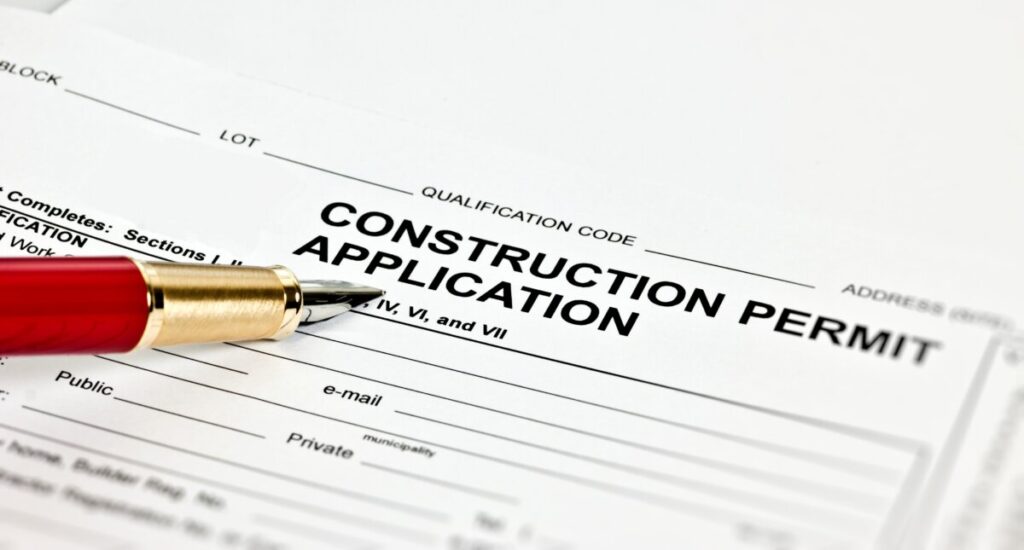
Permit delays are one of the biggest frustrations homeowners encounter during the ADU process in Denver. Even well-planned projects can face setbacks before construction officially begins.
Common causes of delays include:
- Zoning corrections
- Plan revisions
- Utility coordination
- Inspection scheduling
- Incomplete applications
Historic districts and properties with unusual lot layouts may require additional reviews, which can extend approval timelines further.
In many cases, the full process — from design and permitting to final inspections — can take anywhere from 6 to 12 months, depending on project complexity and seasonal construction conditions.
According to the City and County of Denver Community Planning & Development, incomplete documentation and zoning conflicts are among the most common reasons permit applications are delayed.
Working with experienced ADU builders Denver homeowners trust can often help reduce revision requests and speed up approvals.
Best Types of ADUs for Denver Properties
The best ADU type for a Denver property depends on lot size, neighborhood zoning, budget, and long-term goals.
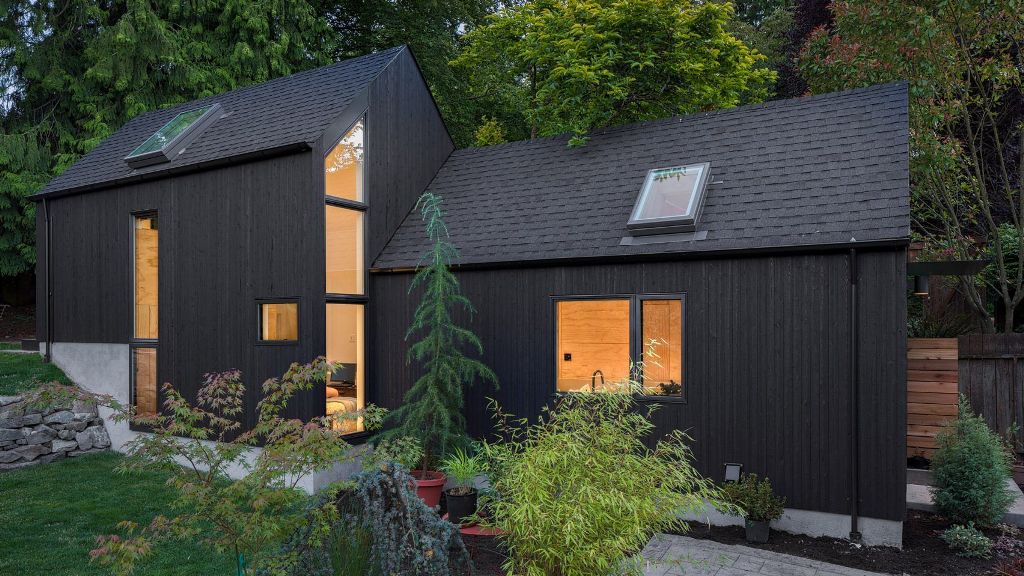
Detached backyard ADUs remain the most popular option because they provide:
- Better privacy
- Higher rental potential
- Flexible living arrangements
Garage conversion ADUs are often more affordable since part of the structure already exists. They can work especially well in neighborhoods with limited backyard space.
Basement ADUs are also common in Denver because many older homes already include partially finished lower levels that can be converted into separate living areas.
For properties with alley access, above-garage ADUs may provide an efficient way to maximize usable space while preserving the backyard.
Denver’s winter climate also affects design decisions. Detached ADUs usually require stronger insulation, snow-load engineering, and weather-resistant materials compared to projects in warmer regions.
Choosing the right ADU type early can help reduce both construction costs and permit complications later in the project.
How to Choose the Right ADU Builders Denver Homeowners Trust
Choosing the right contractor can make a major difference in both project costs and permit timelines.
When comparing ADU builders Denver homeowners commonly work with, look for:
- Local ADU experience
- Knowledge of Denver zoning laws
- Cold-weather construction expertise
- Proper licensing and insurance
- Transparent pricing and timelines
Experienced builders are usually better prepared to handle:
- Permit revisions
- Utility coordination
- Snow-load engineering requirements
- Seasonal construction delays
Before signing a contract, ask questions such as:
- Have you completed ADU projects in Denver before?
- Do you manage permits and inspections?
- How do you handle winter construction scheduling?
- Can you provide recent ADU references?
Many homeowners focus only on finding the lowest bid, but contractors unfamiliar with Denver ADU regulations can create far more expensive problems later through delays, failed inspections, and design corrections.
Is Building an ADU in Denver Worth It?
For many homeowners, building an ADU in Denver can be a strong long-term investment due to rising housing demand and increasing rental prices across the city.
An ADU can provide:
- Monthly rental income
- Increased property value
- Flexible living space
- Multigenerational housing options
In high-demand neighborhoods, rental income from a detached ADU may help offset mortgage payments, property taxes, and long-term ownership costs.
However, homeowners should also prepare for:
- High construction expenses
- Winter-related delays
- Utility upgrade costs
- Ongoing maintenance requirements
For some properties, the financial return comes primarily from long-term appreciation rather than immediate cash flow alone.
Ultimately, whether an ADU in Denver is worth it depends on the property location, construction budget, rental demand, and how long the homeowner plans to keep the property.
Common ADU Mistakes Denver Homeowners Make
One of the biggest mistakes homeowners make is underestimating how complex Denver ADU projects can become once zoning reviews, weather conditions, and permit requirements are involved.
Common mistakes include:
- Ignoring zoning restrictions
- Underestimating winter construction delays
- Hiring inexperienced contractors
- Budgeting too tightly
- Overlooking utility upgrades
Another frequent issue is assuming every property automatically qualifies for a detached ADU. In reality, alley access, lot dimensions, and neighborhood overlays can still affect approvals significantly.
Many homeowners also fail to account for Denver’s seasonal construction challenges. Snow and frozen ground conditions can delay excavation, concrete work, and inspections during colder months.
Careful planning early in the process usually helps avoid expensive design revisions, permit delays, and budget overruns later in the project.
Conclusion
Building an ADU in Denver can create valuable rental income and long-term property flexibility, but the process often involves more planning than many homeowners initially expect.
This Denver ADU Guide highlights the importance of understanding Denver ADU regulations, realistic construction costs, zoning limitations, and permit timelines before starting a project.
From winter weather delays to utility upgrades and neighborhood restrictions, careful preparation plays a major role in avoiding expensive surprises later.
For homeowners who budget realistically and work with experienced ADU builders Denver residents trust, an accessory dwelling unit can still become a strong long-term investment in one of Colorado’s most competitive housing markets.
FAQs About Denver ADU Guide
Can I legally build an ADU in Denver?
Yes. Many residential properties in Denver qualify for ADUs, although zoning eligibility and neighborhood-specific rules still vary by location.
How much does an ADU cost in Denver?
The ADU cost Denver homeowners typically face ranges from around $90,000 to over $450,000 depending on the unit type, lot conditions, and construction complexity.
How long does the permit process take?
Most projects take around 6–12 months from planning and permits to final inspections and construction completion.
Are garage conversion ADUs allowed in Denver?
Yes. Garage conversion ADUs are permitted in many areas if the property meets local zoning and building code requirements.
Can I rent out my Denver ADU?
In many cases, yes. Long-term rentals are generally allowed, although homeowners should still review local occupancy and rental regulations before leasing the unit.