San Diego’s rising housing costs and limited inventory have pushed more homeowners to explore ADUs as a way to generate rental income and add flexible living space. But while demand continues to grow, many projects still face hidden costs, zoning complications, and long permit timelines.
This San Diego ADU Guide explains what homeowners need to know before building in 2026, including San Diego ADU regulations, permit delays, construction costs, and contractor considerations.
According to the City of San Diego Development Services Department, updated California housing laws have expanded ADU opportunities in many neighborhoods. However, coastal restrictions, hillside rules, and utility upgrades can still make the process more complicated than many homeowners expect.
Understanding these challenges early can help avoid expensive delays later.
Why ADUs Are Growing Rapidly in San Diego
San Diego has become one of California’s fastest-growing ADU markets due to a combination of high housing demand, rising home prices, and limited available land for new development.
For many homeowners, ADUs offer a practical way to:
- Generate rental income
- Increase property value
- Create housing for family members
- Add flexible work-from-home space
California housing reforms have also made ADUs more accessible in recent years by reducing some zoning and parking restrictions. According to the California Department of Housing and Community Development, state ADU laws continue to encourage cities to expand housing opportunities through accessory dwelling units.
In high-demand San Diego neighborhoods, rental income from an ADU can help offset mortgage costs and rising property taxes. This has made ADUs especially attractive for homeowners looking to maximize the value of their property without relocating.

San Diego ADU Regulations
Understanding San Diego ADU regulations is one of the most important parts of planning a successful project. While California has expanded ADU opportunities statewide, local zoning and site-specific restrictions still play a major role in approvals.
In San Diego, ADU eligibility may depend on:
- Property zoning
- Lot size and layout
- Setback requirements
- Height restrictions
- Parking rules
- Utility access
Some properties may also face additional oversight in:
- Coastal zones
- Hillside neighborhoods
- Fire hazard areas
- Historic districts
According to the City of San Diego Development Services Department, homeowners should review local zoning and permit requirements carefully before starting design work.
One common mistake is assuming every property automatically qualifies for multiple ADUs under California law. In reality, environmental restrictions, easements, and site access can still affect project approvals and timelines.
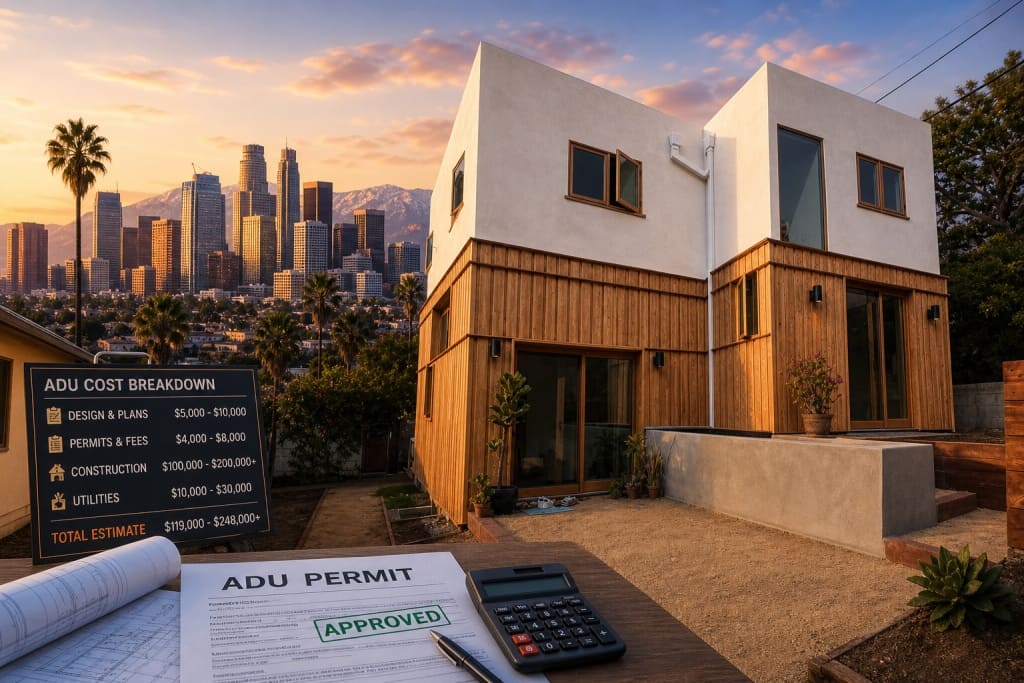
ADU Cost San Diego Homeowners Should Expect
The ADU cost San Diego homeowners face in 2026 can vary significantly depending on the type of unit, property conditions, and permit requirements.
Here’s a general cost breakdown:
| ADU Type | Estimated Cost |
|---|---|
| Garage Conversion | $100,000–$180,000 |
| Attached ADU | $150,000–$300,000 |
| Detached ADU | $250,000–$500,000+ |
| Prefab ADU | $120,000–$280,000 |
Several factors make San Diego ADUs more expensive than projects in many other cities, including:
- Coastal permitting requirements
- High labor costs
- Utility upgrades
- Sloped lots and drainage work
- Material pricing fluctuations
Detached ADUs are typically the most expensive because they require separate foundations, utility connections, and full structural construction.
According to the National Association of Home Builders, labor shortages and rising material costs continue to affect residential construction pricing across California.
Hidden Costs Most San Diego Homeowners Miss
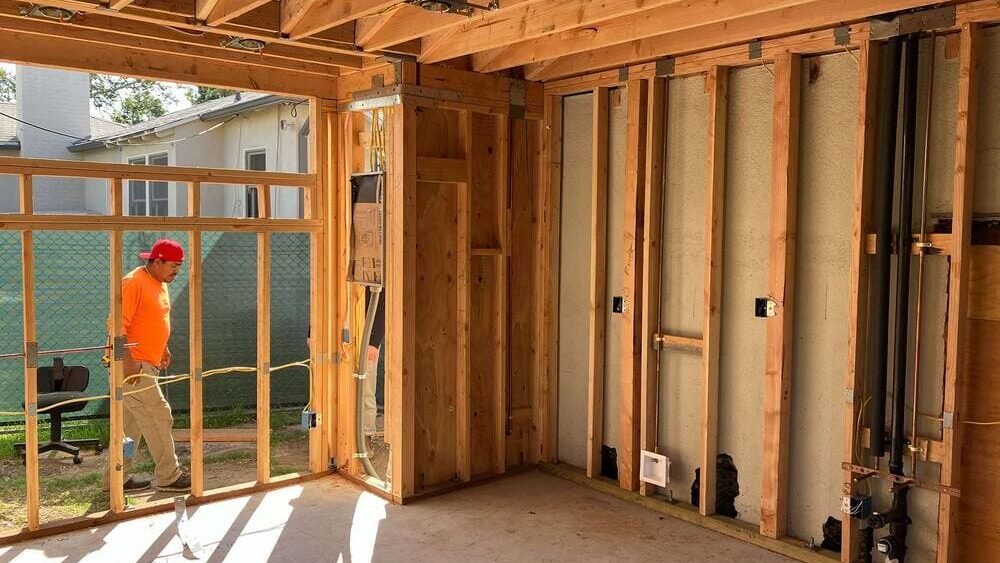
Many homeowners budget for basic construction but underestimate the additional expenses that appear throughout the project.
Common hidden costs include:
- Permit and plan review fees
- Utility connection upgrades
- Soil testing and drainage work
- Landscaping restoration
- Retaining walls for sloped lots
- Coastal compliance requirements
Properties in hillside or coastal areas often face higher costs due to erosion control, fire safety regulations, and additional engineering requirements.
Older homes can also require expensive electrical or sewer upgrades before the ADU can pass inspections.
These hidden expenses are one reason many ADU budgets in San Diego end up far higher than the original contractor estimate. Proper contingency planning is usually essential before construction begins.
Understanding ADU Permit Delays in San Diego
Permit delays are one of the biggest frustrations homeowners face during the ADU process in San Diego. Even well-planned projects can take months before construction officially begins.
Common reasons for delays include:
- Plan revisions
- Coastal zone reviews
- Utility coordination
- Inspection backlogs
- Incomplete applications
Projects located in coastal or environmentally sensitive areas often require additional approvals, which can significantly extend timelines.
In most cases, the full process — from planning and permits to final inspections — takes anywhere from 6 to 12 months depending on project complexity.
According to the City of San Diego Development Services Department, incomplete plans and zoning corrections are among the most common reasons applications face delays.
Working with experienced ADU builders San Diego homeowners trust can often help reduce approval issues and speed up the process.
Best Types of ADUs for San Diego Properties
The best ADU type depends on your lot size, budget, zoning restrictions, and long-term goals.
Detached ADUs remain the most popular option in San Diego because they offer:
- Better privacy
- Strong rental potential
- Flexible long-term use
Garage conversions are often faster and more affordable since part of the structure already exists. They work especially well on smaller urban lots where backyard space is limited.
Prefab ADUs are also becoming more common because they can reduce construction time and offer more predictable pricing.
For hillside or narrow coastal properties, attached ADUs may sometimes be more practical due to limited buildable space and stricter site restrictions.
Choosing the right ADU type early can help reduce both construction costs and permit complications later in the project.
How to Choose the Right ADU Builders San Diego Homeowners Trust
Choosing the right contractor is critical for avoiding delays, budget overruns, and permit issues.
When comparing ADU builders San Diego homeowners commonly work with, look for:
- Local ADU experience
- Knowledge of San Diego zoning rules
- Coastal or hillside project experience
- Proper licensing and insurance
- Transparent pricing and timelines
Experienced builders are often better prepared to handle permit revisions, inspections, and utility coordination, especially in areas with stricter regulations.
Before signing a contract, ask questions such as:
- How many ADUs have you built in San Diego?
- Do you manage permits and inspections?
- Have you worked on coastal or hillside properties?
- Can you provide recent references?
Many homeowners focus only on price, but contractors unfamiliar with San Diego ADU regulations can create far more expensive problems later through delays and correction notices.
Is Building an ADU in San Diego Worth It?
For many homeowners, building an ADU in San Diego is still a worthwhile long-term investment despite the high upfront costs.
An ADU can provide:
- Rental income
- Increased property value
- Flexible housing space
- Multigenerational living options
In high-demand neighborhoods, rental income may help offset mortgage payments, property taxes, and rising living costs over time.
However, homeowners should also prepare for:
- Long permit timelines
- Higher construction costs
- Utility and infrastructure upgrades
- Ongoing maintenance expenses
For most property owners, the long-term value depends on realistic budgeting, proper planning, and choosing the right location and ADU type from the beginning.
Common ADU Mistakes San Diego Homeowners Make
One of the most common mistakes homeowners make is underestimating how complex San Diego ADU projects can become once permits, zoning reviews, and site conditions are involved.
Common mistakes include:
- Ignoring zoning restrictions
- Underestimating permit timelines
- Hiring inexperienced contractors
- Budgeting too tightly
- Overlooking utility upgrades
Another frequent issue is assuming every property qualifies for the same ADU options under California law. Coastal restrictions, hillside regulations, easements, and environmental rules can still affect approvals and construction plans.
Many expensive delays happen during the planning stage rather than construction itself. That’s why experienced ADU builders San Diego homeowners trust usually recommend reviewing zoning and permit requirements before investing heavily in design work.
Conclusion
Building an ADU in San Diego can create valuable rental income and long-term property flexibility, but the process is often more complex than many homeowners expect.
This San Diego ADU Guide highlights the importance of understanding San Diego ADU regulations, realistic permit timelines, hidden construction costs, and local site restrictions before starting a project.
From coastal approvals to utility upgrades and contractor selection, careful planning plays a major role in avoiding expensive delays and budget overruns.
For homeowners willing to plan carefully and work with experienced professionals, an ADU can still be a strong long-term investment in one of California’s most competitive housing markets.
FAQs About San Diego ADUs
Can I legally build an ADU in San Diego?
Yes. Many residential properties in San Diego qualify for ADUs under California and local housing regulations, although restrictions may vary by property and zoning district.
How much does an ADU cost in San Diego?
The ADU cost San Diego homeowners typically face ranges from around $100,000 to over $500,000 depending on the size, design, and site conditions.
How long does the permit process take?
Most projects take around 6–12 months from planning and permits to final construction and inspections.
Are prefab ADUs allowed in San Diego?
Yes. Prefab ADUs are allowed in many areas as long as they meet local zoning, building, and utility requirements.
Can I rent out my San Diego ADU?
In many cases, yes. Long-term rentals are generally permitted, although short-term rental rules may vary depending on the property location and local regulations.